Gardening – Lovage – A Possible New Perennial
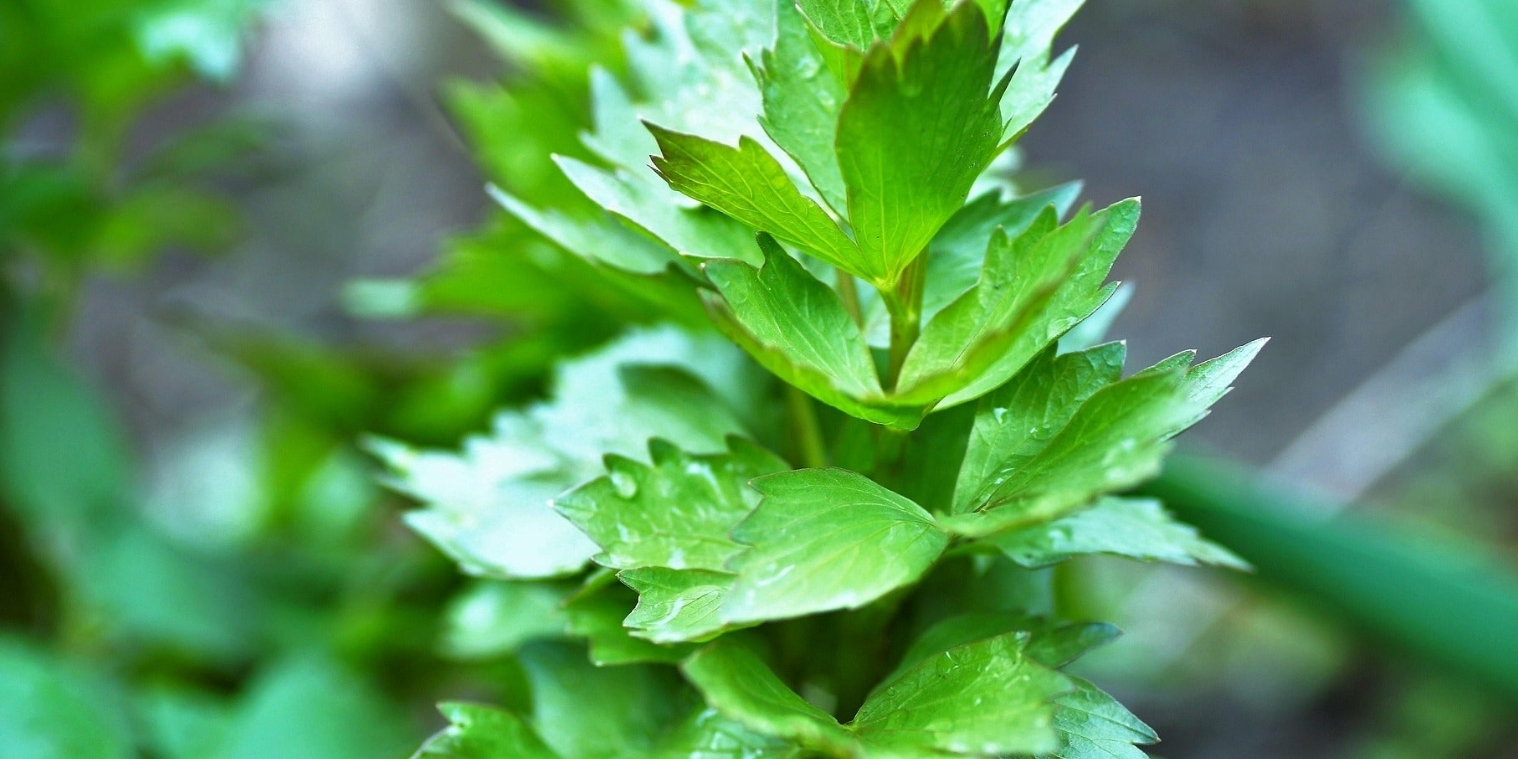
Every year, the Dear Wonderful Hubby and I strive to add one perennial to our gardens.
Last year, it was mint (in containers that we overwinter outside).
This year, it is lovage.
This is a new-to-me herb.
It supposedly tastes like celery, which intrigues me as we use a lot of celery in soups and celery can be challenging to find and expensive to buy in our portion of the universe.
It is also supposedly okay with the cold, is rodent resistant (hopefully this includes squirrels), and once established, it doesn’t require a lot of water or care.
All these things appealed to me. I’m SUCH a lazy gardener. (grins)
Have you ever grown lovage?
Topics: Gardening | Comments Off on Gardening – Lovage – A Possible New Perennial
Garden Layouts Aren’t Set In Stone
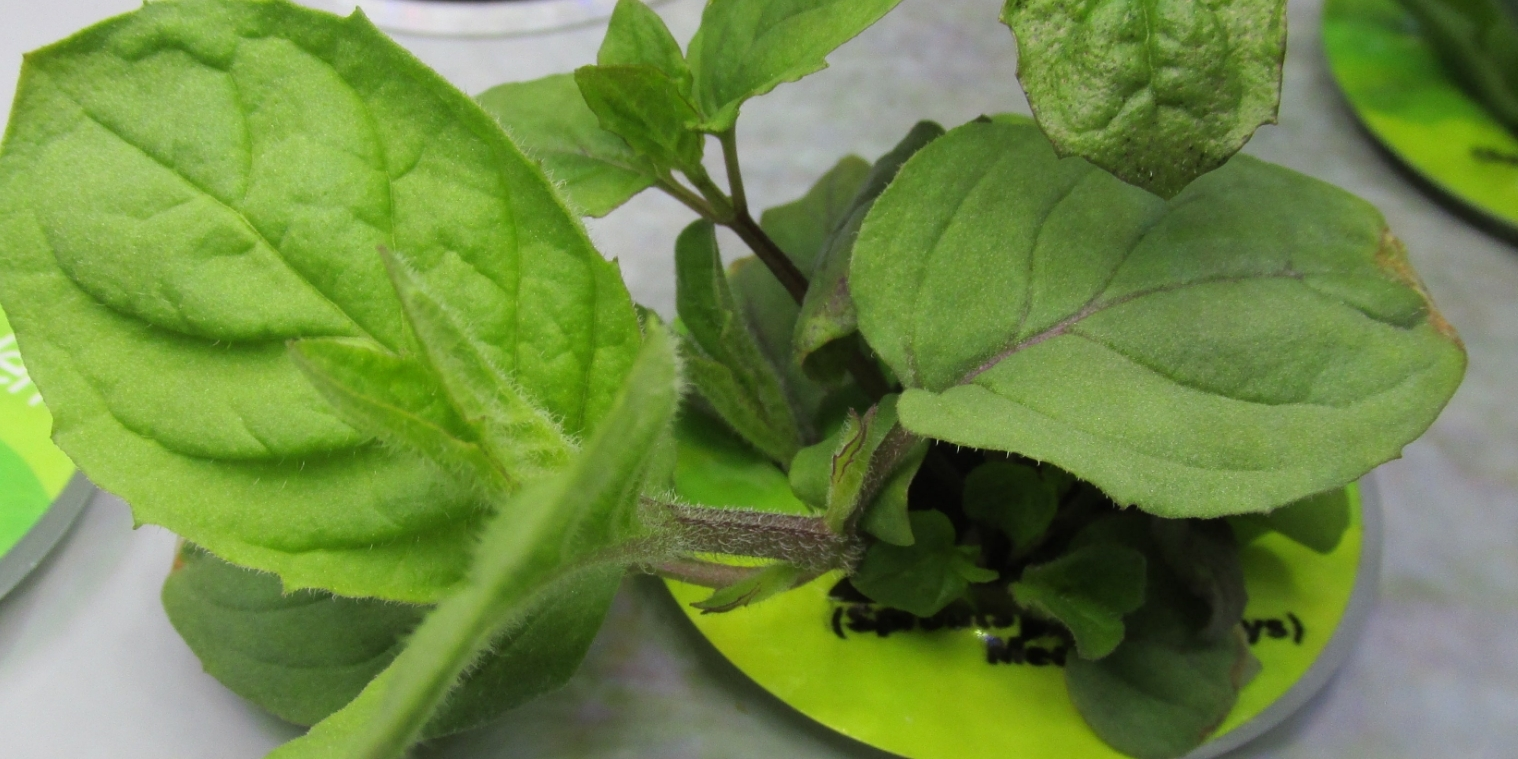
The Dear Wonderful Hubby and I are investing in quite a few new-to-us perennials this season.
Perennials need a semi-permanent place in the garden (they CAN be moved but it sets back their growth and is a pain in the a$$ to do). Which means we have to rearrange our rather small backyard.
We’re moving the leaf mold cages to the side of the house that gets very little sun and nothing much grows there. This won’t hurt the leaf mold production and it will free up those sunnier spaces for growing vegetables.
(smiles)
Garden layouts aren’t set in stone, my friends.
Well, unless you literally set them in stone. And even those can be changed if you’re very strong and/or have a sledge hammer.
(grins)
Change them when your requirements change.
Topics: Gardening | Comments Off on Garden Layouts Aren’t Set In Stone
Gardening Self-Sufficiency And Time
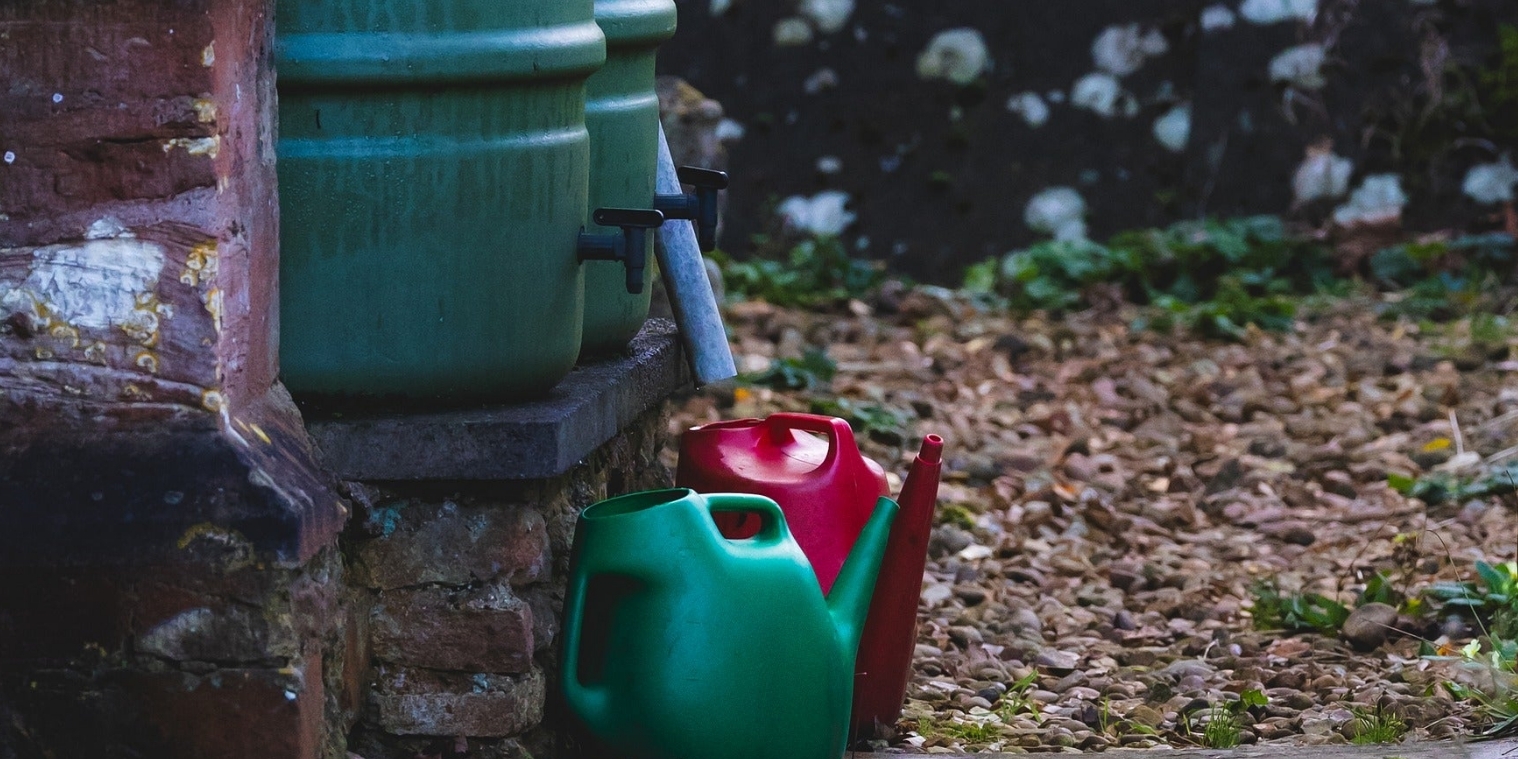
(This is a stock photo. Our water storage system isn’t as pretty. – grins)
The Dear Wonderful Hubby and I have a goal to be self-sufficient with our gardening.
Eventually.
If there’s ever a time when we can’t buy or otherwise obtain soil, fertilizer, water, containers and other gardening necessities from others, we want to still be able to grow vegetables and berries.
I hope that day never comes but we’re preparing for it. Just in case.
This preparation takes time. And resources. And expertise.
It isn’t an overnight, install it and be done process.
Making leaf mold, for example, takes at the minimum two years.
My first attempt was a disaster. I didn’t add enough water. The leaves didn’t break down.
I’m trying again and that will take at least another two years.
Putting together a rain water retention system, as another example, takes expertise and money. We’re building this system over time, adding rain barrels and storage containers to it every year.
Building a base of perennial vegetables and berries involves a GREAT deal of learning and babying the plants those first few years and money to buy the seeds/starts. I find we can only add a couple perennials every year to our garden successfully.
Self-sufficiency with gardening isn’t an easy overnight type of thing.
But then gardening isn’t an easy overnight type of thing.
(grins)
We can do this!
Topics: Gardening | Comments Off on Gardening Self-Sufficiency And Time
Basement Seed Starting
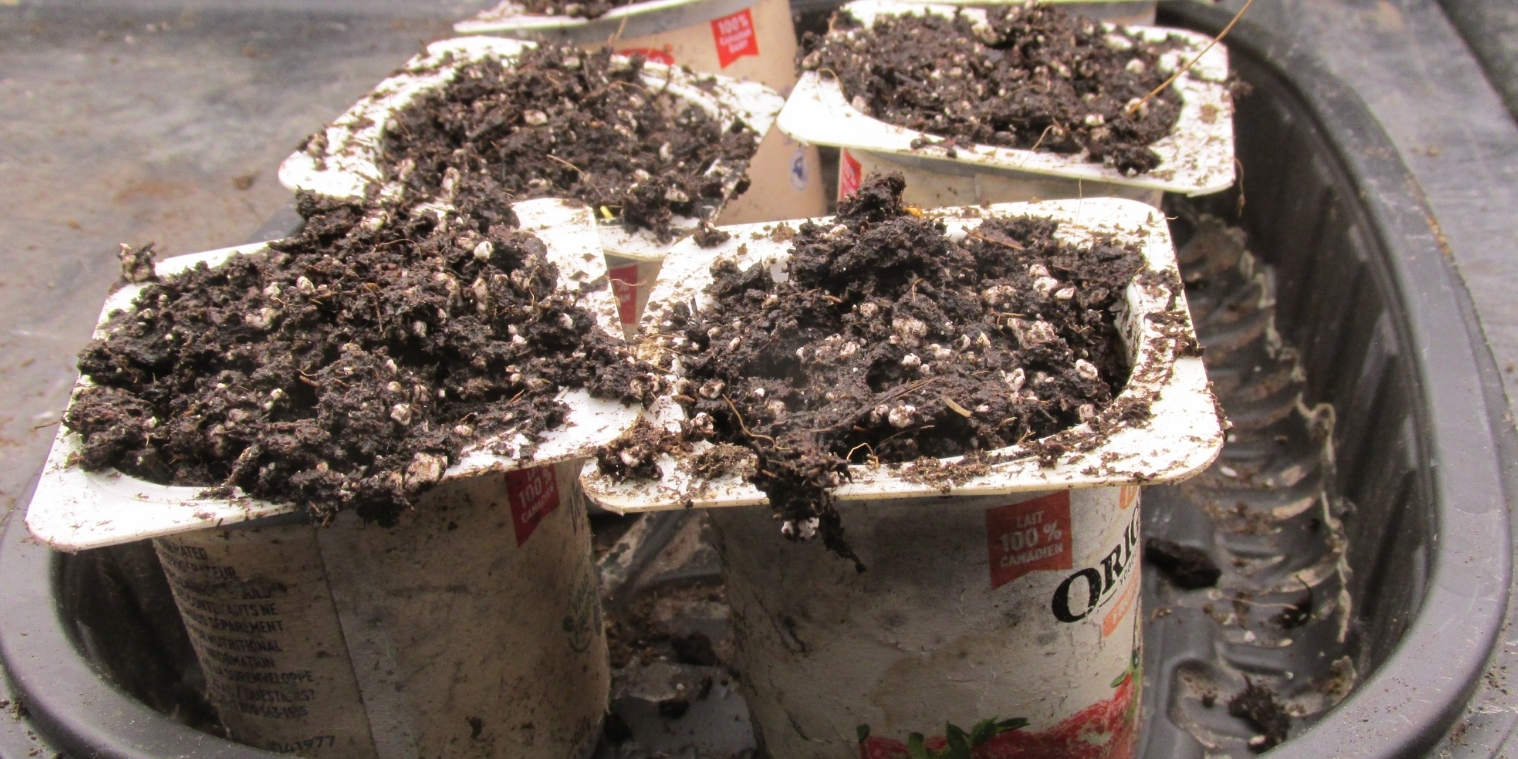
(I’ve been using these single serve yogurt containers with holes in the bottom for over 5 years now and they are the perfect size for starting seeds. – smiles)
The Dear Wonderful Hubby and I have started a gazillion seeds in the basement grow stations.
Woot! It is officially gardening season for us. This is always an exciting time.
Thus far, we’ve planted tomatoes (large and cherry), eggplant, mini bell peppers, lovage, good king henry, thyme (creeping and regular), marigolds, zinnias, peas, parsley, rosemary, basil, chives (garlic and regular), French sorrel, ground cherries, chard, spinach, lettuce, horseradish, watermelon and beets.
The regular thyme has already sprouted (We cold stratified it and it germinated in the fridge. That’s how aggressive these dollar store thyme seeds are.)!
We have some green in the grow station!
We also sourced some Jerusalem artichokes/sunchokes. They are currently wrapped in newspaper in a bag in the fridge. We’re waiting until pea transplanting time (i.e. when all the snow is gone and the ground is workable) to plant them outside.
Woot! It is GO TIME! Yes!
Topics: Gardening | Comments Off on Basement Seed Starting
Gardening Plans And Plants That Do Play Well With Others
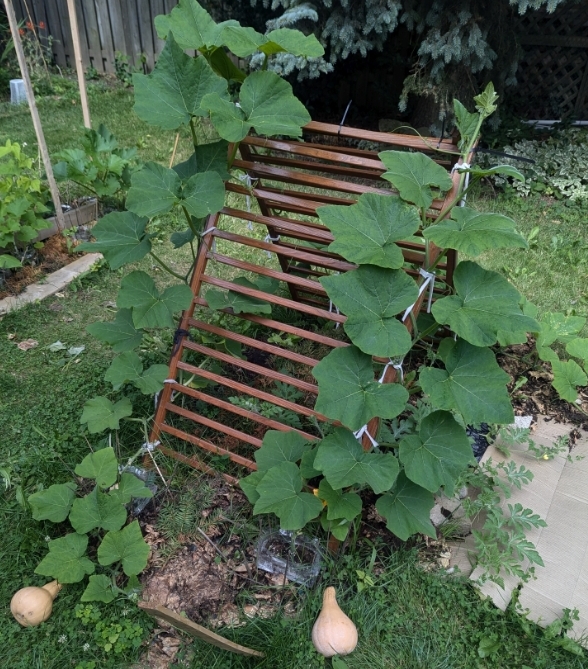
In 2026, we’re expanding the raspberry bed. They are a perennial which makes them easier to grow, they don’t take much work, they reproduce aggressively, and I love these berries.
This expansion takes up the place where the potatoes were in 2025.
So we’re looking for another spot for the potatoes.
I was hoping to plant them under the triangular butternut squash support (which once was part of a baby crib) but I then did my research and potatoes and squash don’t play well together. They attract the same pests, they are both heavy feeders, and the squash tends to smother the potatoes.
Which means the search for a new potato spot continues!
While planning your garden, research which of your desired plants play together well…or not-so-well. This will greatly increase your success rate!
Topics: Gardening | Comments Off on Gardening Plans And Plants That Do Play Well With Others
Growing Ginger Inside And Other Experiments
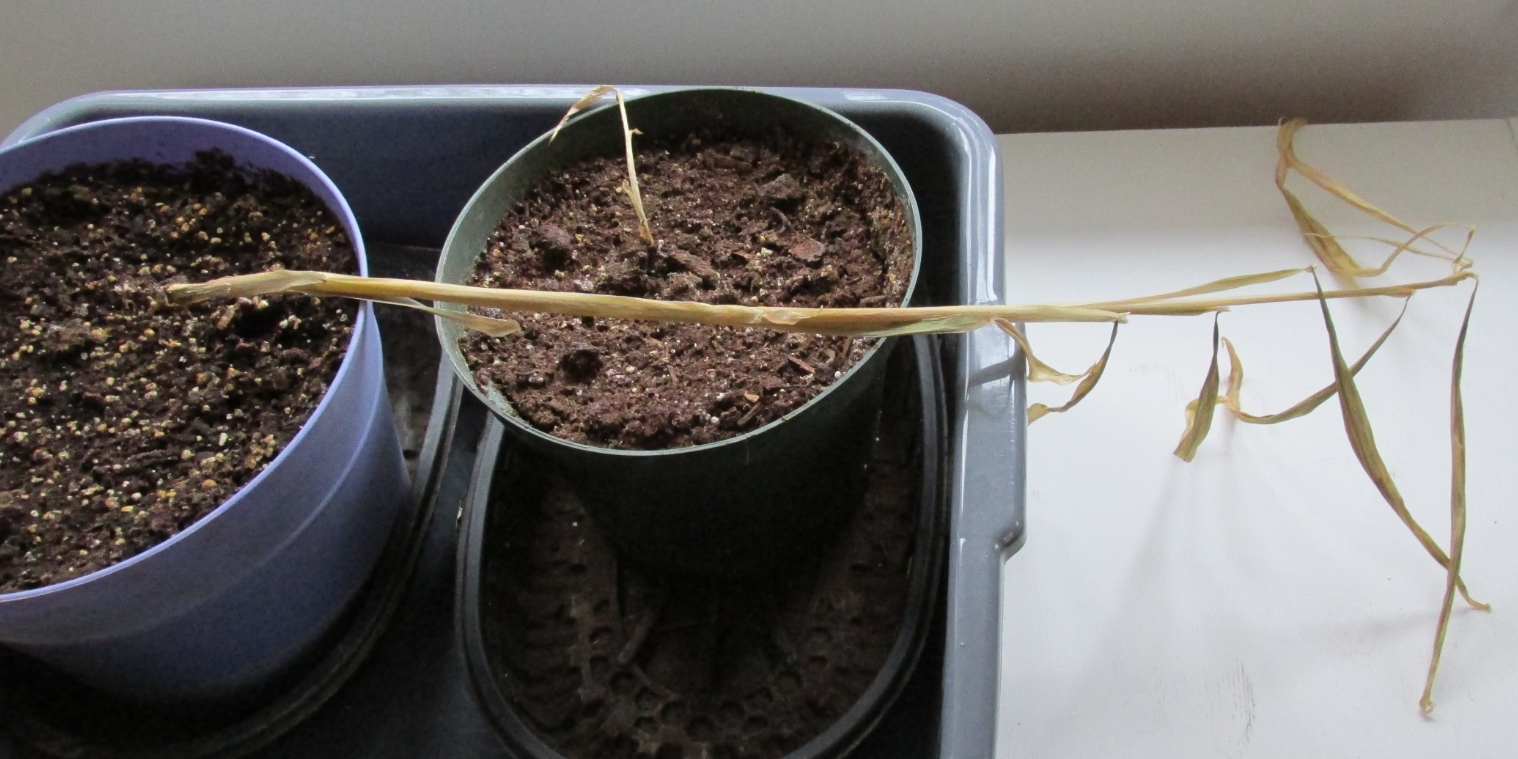
This past winter, I attempted to grow ginger inside our home.
At first, it was growing very well. I was super excited. It appeared as though this experiment would be a success.
Then the weather turned cold.
The Dear Wonderful Hubby and I keep our average home temperature at 16.5C/62F.
This, we discovered, is too cold for ginger. The plants decided the growing season was done and they…died.
Our growing ginger inside our home experiment failed.
And this is what gardening is – an experiment. We try something. It might have worked for other gardeners but our growing conditions are a little bit different and it might not work for us. Or it might work ever better!
We don’t know until we try it.
(smiles)
Topics: Gardening | Comments Off on Growing Ginger Inside And Other Experiments
Gardening – Know Your Last Expected Frost Date
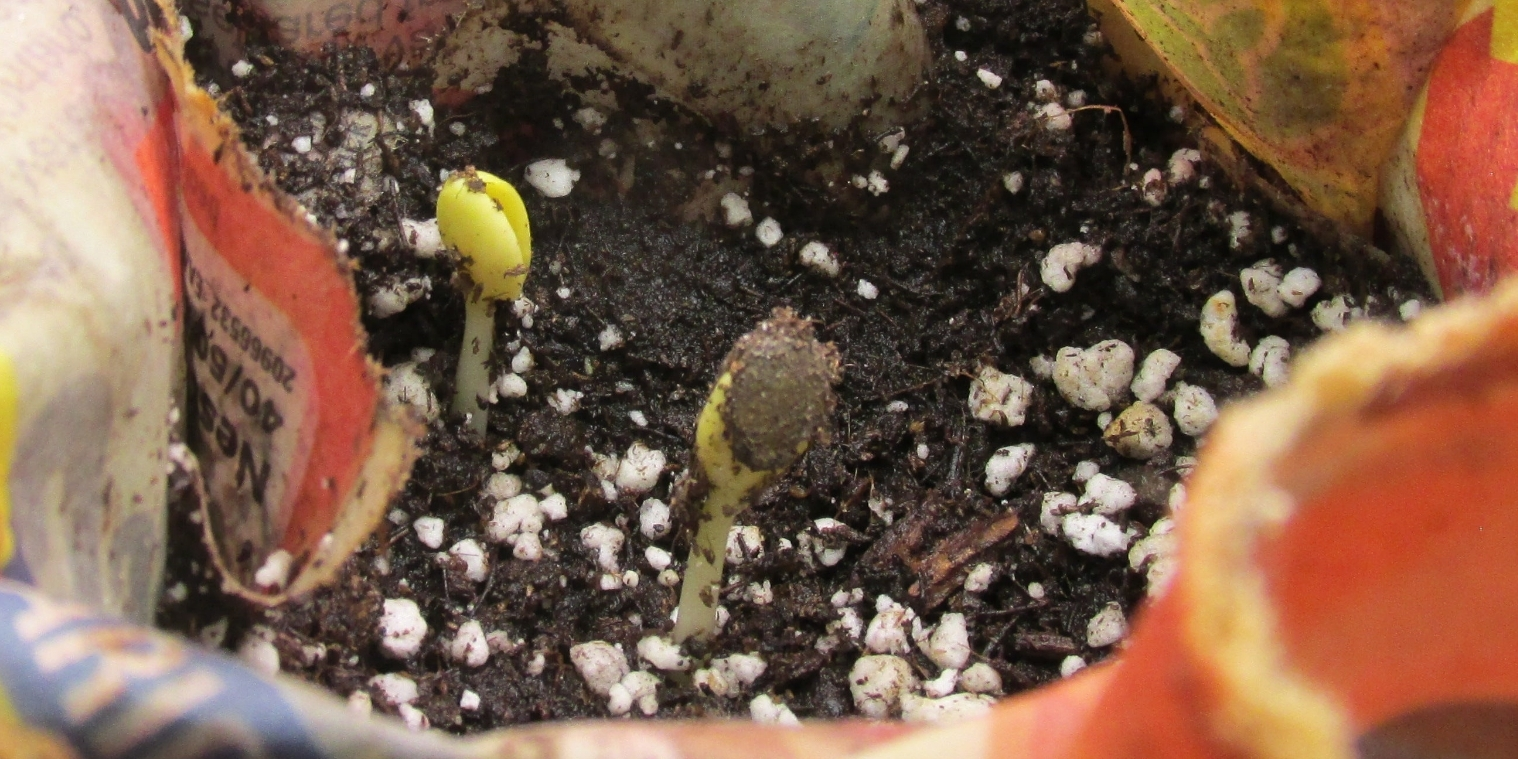
If we start seeds too early, seedlings will be too large to care for inside the greenhouse/home and/or be difficult to transplant outside.
If we start seeds too late, seedlings will be too small to transplant outside when the good weather arrives.
This is why knowing our last expected frost date is key for gardeners in cold-during-the-winter climates. We use that estimate of when our last frost date is and then count backward to determine when we should be starting seeds.
To find out what your last expected frost date is, do an internet search on ‘last expected frost date (your city)’ and then choose a reputable result from sites like the farmer’s almanac or a seed selling company that have that information.
Topics: Gardening | Comments Off on Gardening – Know Your Last Expected Frost Date
Gardening – Plan For A First Quick Harvest
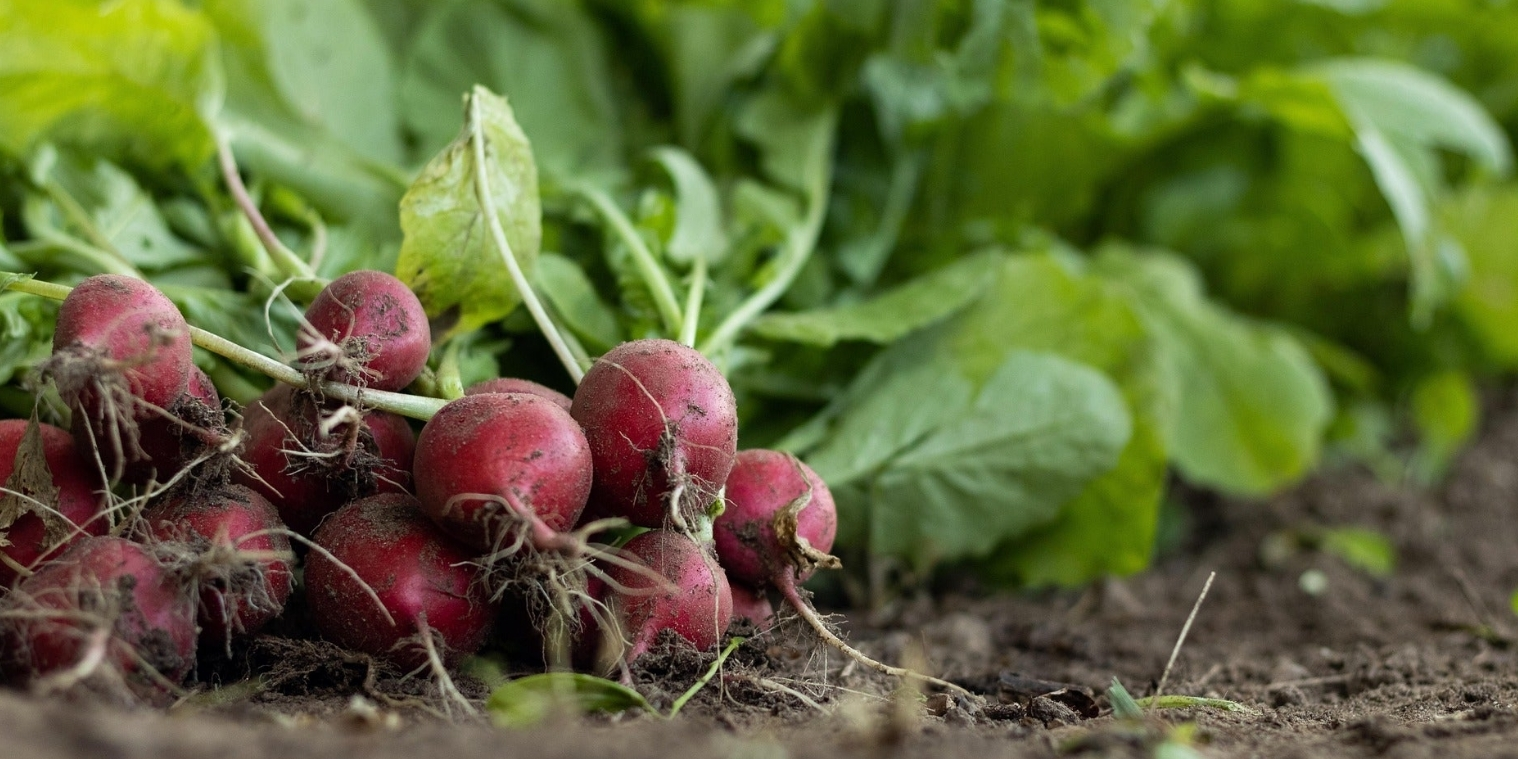
When I’m crafting my garden plans, I always include radishes as part of the first/Spring plan.
Radish is one of the easiest, quickest, cold-friendly vegetables to grow. Both the root and the leaves can be eaten.
Eating from the garden early and sharing that bounty is a huge reward. It keeps me excited and motivated.
And it keeps everyone around me on board with the gardening. They (and I!) see results right away. They benefit from these results.
And it’s fun to pull up radishes, uncovering how big (or small – remember the leaves are edible so small is okay too) they are!
Other fast growing crops are leafy greens like spinach and lettuce, snow peas (all of the snow pea plant is edible also – the greens are delicious), and bok choy.
Consider planting a fast-to-harvest, cool-temperature-tolerant crop first.
Topics: Gardening | Comments Off on Gardening – Plan For A First Quick Harvest
Multiple Garden Plans
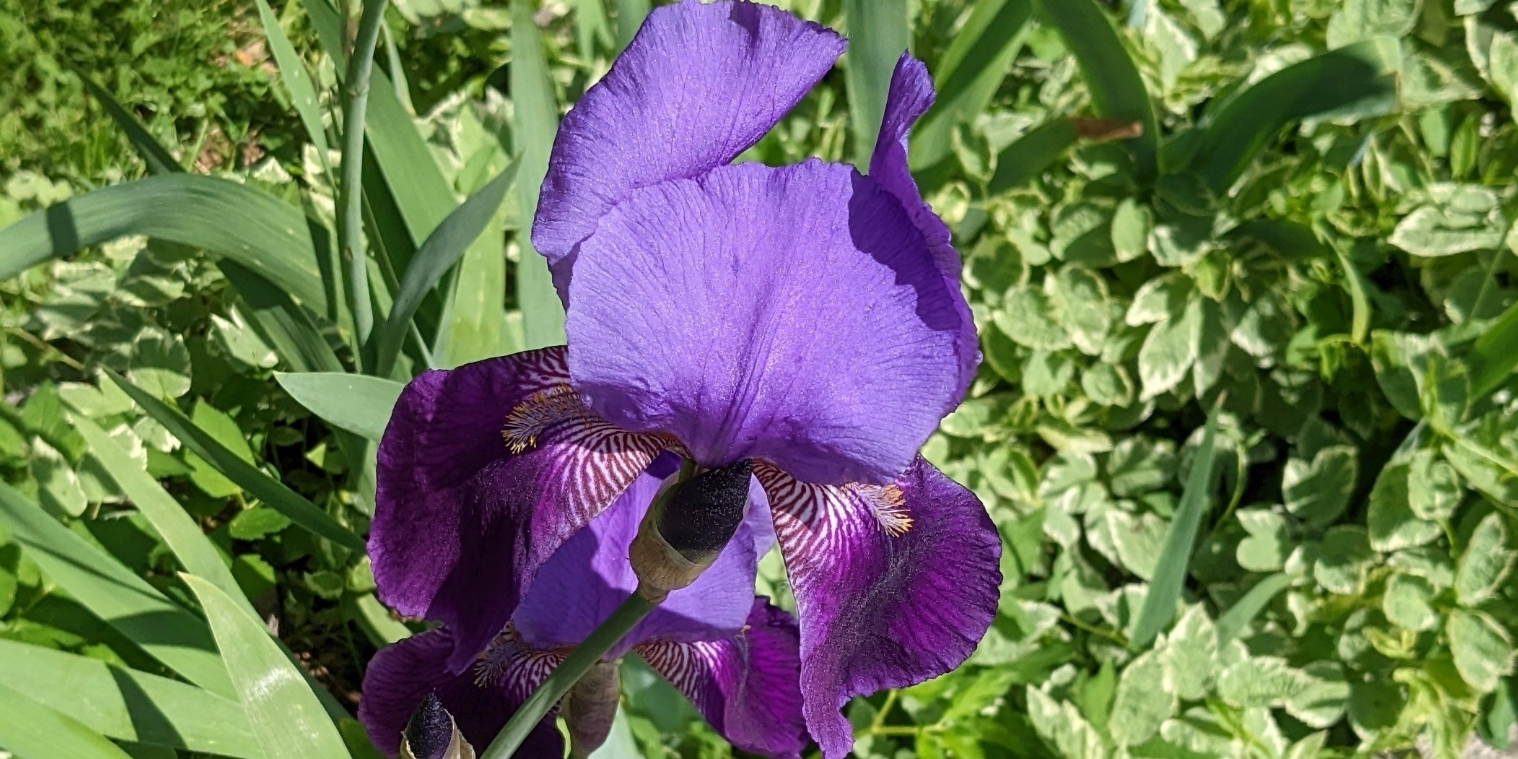
Gardeners will often talk about crafting their garden plans for the year.
These are usually plans.
Plural.
Because many of the plants we grow will have lifespans shorter than our entire gardening season. And many of the plants we grow will only flourish in specific times of the year.
Peas, for example, love cooler weather. In Canada, they flourish during the Spring and the Fall/Autumn. They might be part of our garden plans for those months.
They can be replaced with another crop during the Summer.
So we might have 3 garden plans – 1 for the Spring, 1 for the Summer, 1 for the Fall/Autumn.
Garden plans help us…well…plan. Have as many or as few as you like!
Don’t feel like you have to stick everything on one (sure-to-be chaotic) plan.
Topics: Gardening | Comments Off on Multiple Garden Plans
Grocery Store Herbs
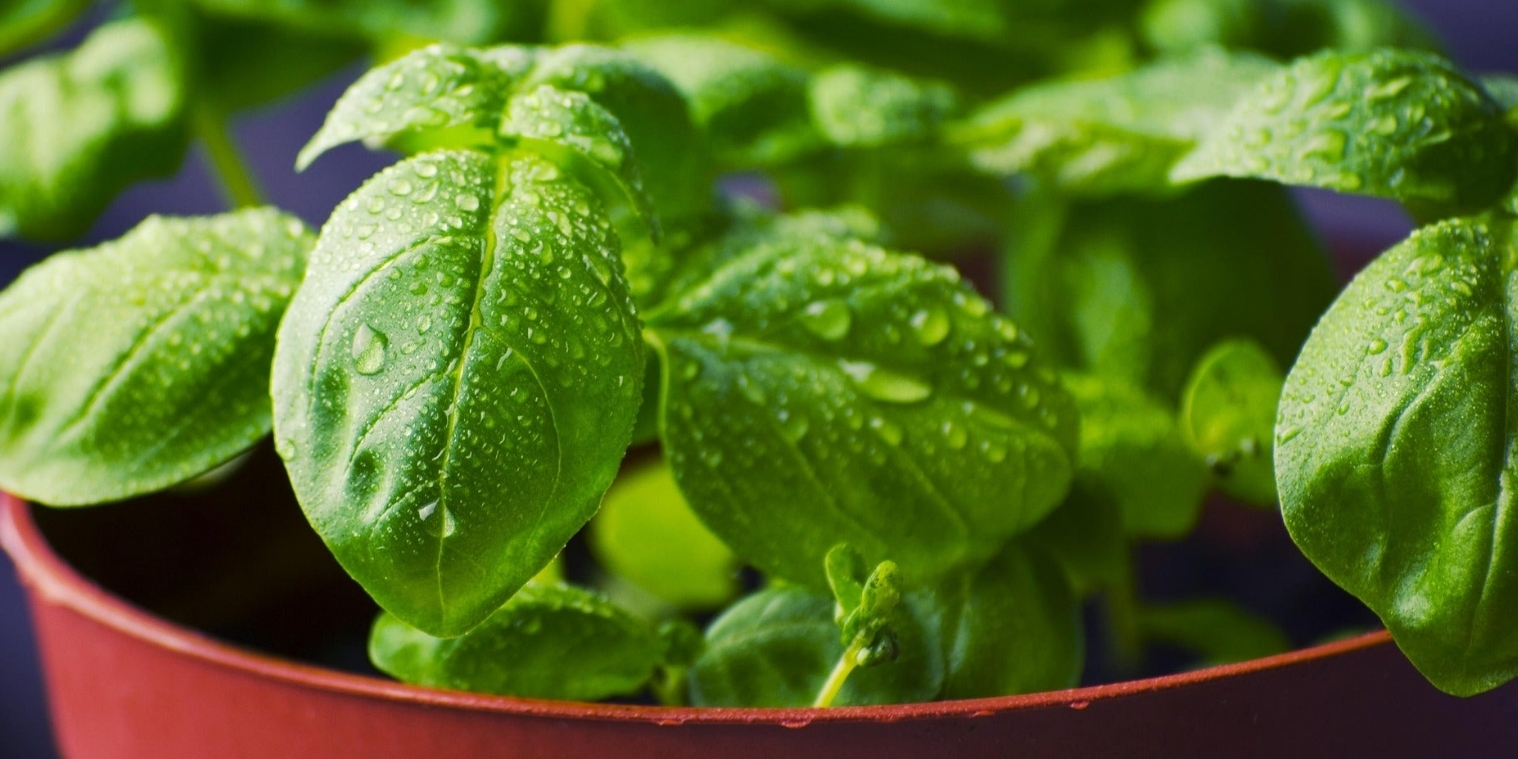
The herbs that we buy in plant form from supermarkets and grocery stores aren’t designed to live for a long time. They are meant to be used down to the soil and then composted.
Why do they die so quickly?
They are often overcrowded. There are 6 or more plants in the same small container.
And the soil is often not…optimal. It contains very little nutrients.
The best way, I’ve found, to keep these herbs alive is to first prune them (using the leaves in cooking, of course). Then I split the plants and transplant them into their own containers or the ground as soon as possible.
Topics: Gardening | Comments Off on Grocery Store Herbs