Muse Food – Judging Intelligence
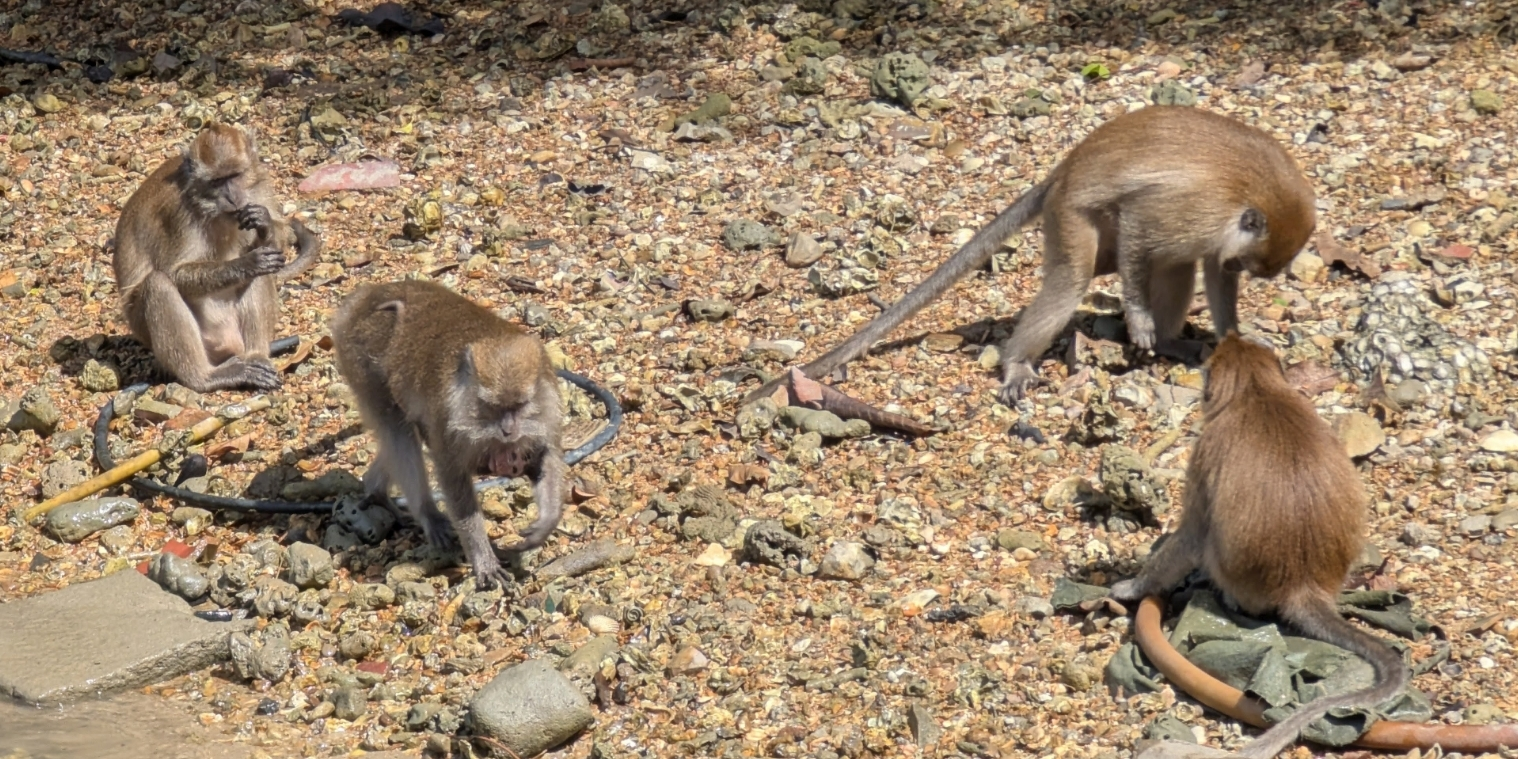
We often talk about discovering intelligent life.
But what is intelligence?
Is someone who can memorize 1,000 facts more intelligent than someone who can take apart an engine and figure out how it works? Is a species that creates art while destroying their home more intelligent than a species that focuses on obtaining food while remaining in balance with the world around them? Is someone who can do complex math more intelligent than someone who easily learns languages?
What do YOUR characters believe intelligence is? And, by their own definition, are THEY intelligent?
Topics: Muse Food | Comments Off on Muse Food – Judging Intelligence
Muse Food – Life Will Find A Way

If life is at all possible in a place, there will be a creature or plant or microbe or other being living there.
Moss grows on rocks in the middle of the rapids. A house spider lives in an otherwise sterile office. Microbes live their tiny lives on space stations. Heck, there are microbes on our faces right now (in our skin microbiome).
Our characters are never truly alone. And there’s always activity happening around them.
Topics: Muse Food | Comments Off on Muse Food – Life Will Find A Way
Muse Food – The Path Itself
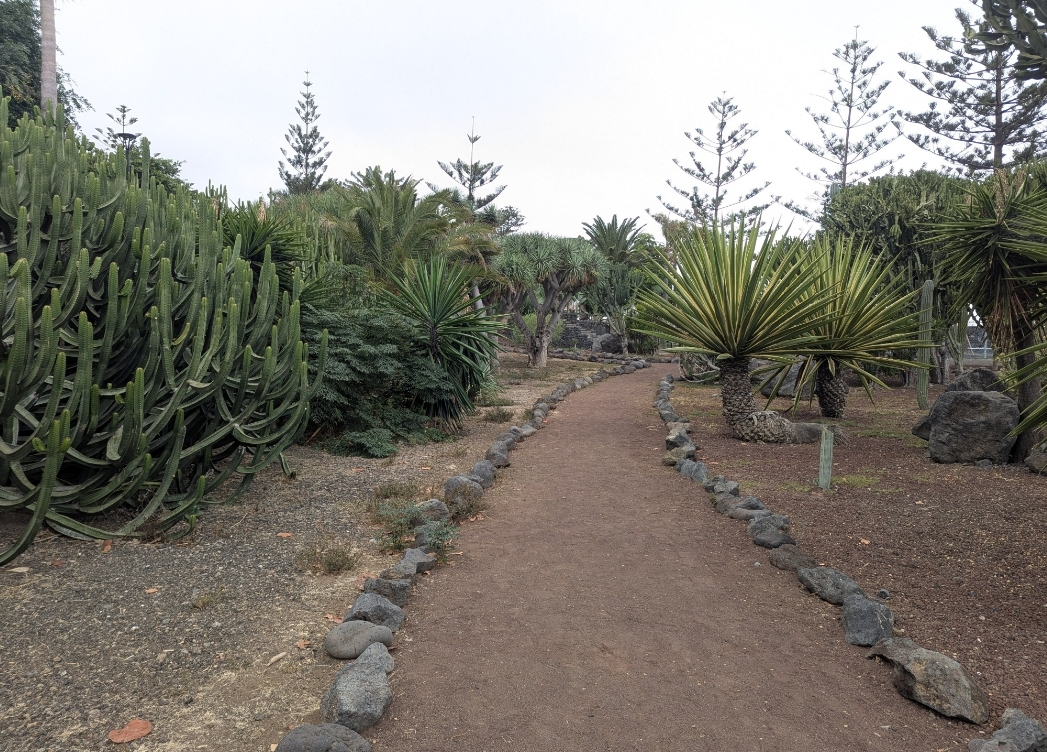
Often, when we hear about characters taking a path, we are most interested in where that path leads. We might also be interested in the beings they meet and the dangers they encounter along the way.
But sometimes the path itself can be fascinating.
The yellow brick road in The Wizard Of Oz, for example, is a key part of the setting. It is almost a character itself.
Perhaps the path your characters take is sentient. Maybe it twists and turns depending on its mood. Maybe the destination is whatever the path feels the characters deserve or need.
How can you make the path itself more interesting?
Topics: Muse Food | Comments Off on Muse Food – The Path Itself
Muse Food – Clownfish And Fluid Identities
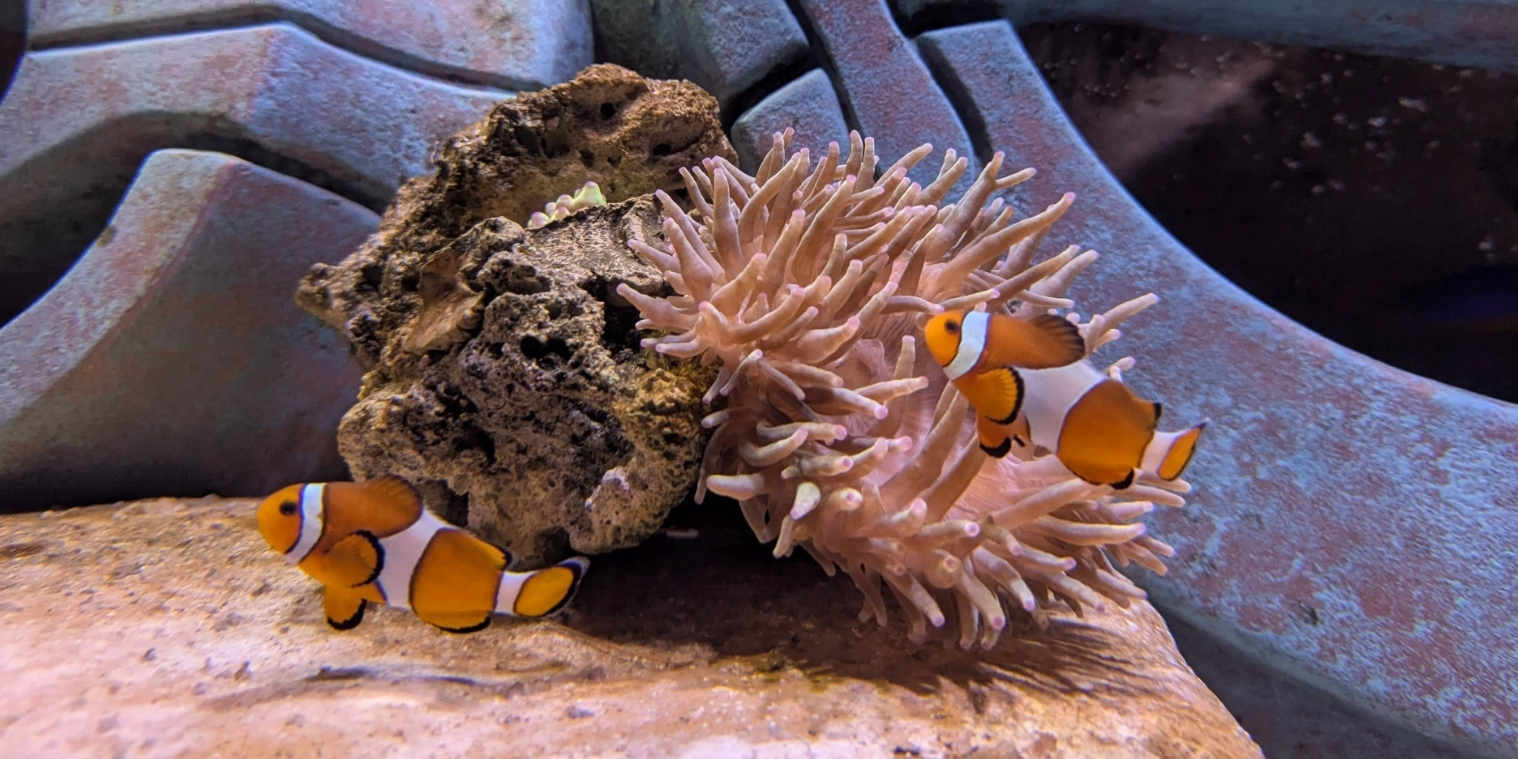
All clownfish are born male. When existing females die, however, they can change gender and become female.
Changing gender is a NATURAL thing. It happens in many species, including human.
And it could happen permanently or temporarily with your main or secondary characters, whether they are human or alien or other.
And if gender doesn’t have to be static, well, just about anything else regarding your characters can be fluid.
As long as it makes sense for their character arc and the story.
We have creative flexibility, my friends. Exercise it if the story needs it.
(smiles)
Topics: Muse Food | Comments Off on Muse Food – Clownfish And Fluid Identities
Muse Food – Following The Line Of Sight

What is your point of view character looking at right now? What do they see?
Follow their line of sight, what they are focused on.
Are there beings in their view? Are they keeping, for example, their love interest in their line of sight at all times? Is there a color they notice? Does something in their field of vision remind them of something else? Does an object stir up emotion?
This might give you an insight into what they are thinking or feeling. And it might inspire future actions.
Topics: Muse Food | Comments Off on Muse Food – Following The Line Of Sight
Muse Food – Woolly Bear Caterpillars And Creating Alien Creatures
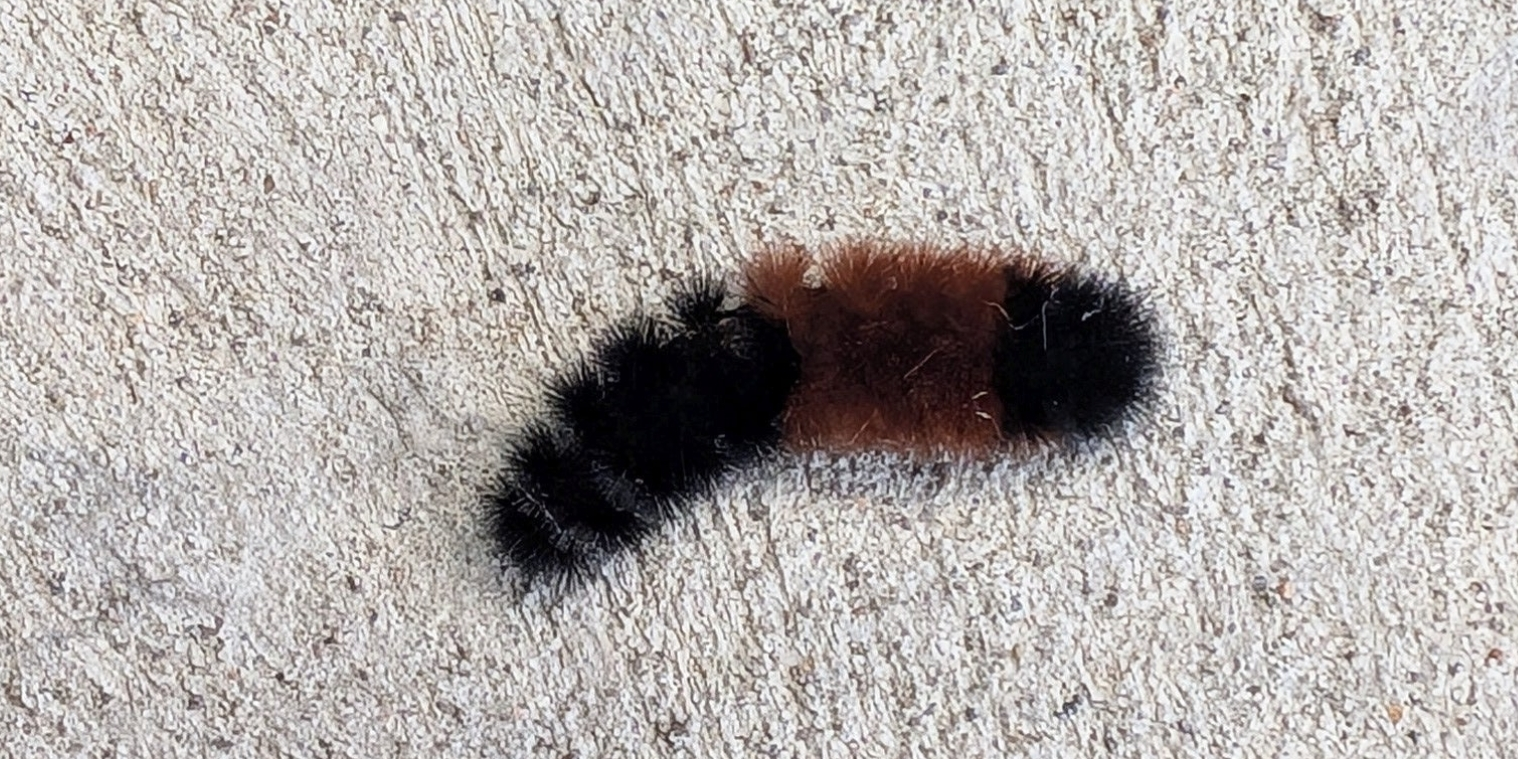
When we talk about caterpillars, we tend to think of the smooth, hairless, often green kind.
But, in Canada, there is a caterpillar called the Woolly Bear. These caterpillars look like they’re wearing a fur coat and are ideally suited for cold climates.
If you don’t come from a cold climate, you might view the Woolly Bear as an alien-like creature.
And this is an easy ‘trick’ for creating alien creatures.
Writers take an existing creature here on Earth and ask “What if?”
What if the snake lived on an ice planet? What if the pufferfish lived in a lava sea? What if the giraffe lived on a planet with floating trees?
How might they adapt to that environment?
Take an already fantastical Earth creature and make it more fantastical!
Topics: Muse Food | Comments Off on Muse Food – Woolly Bear Caterpillars And Creating Alien Creatures
Muse Food – How Your Characters Eat
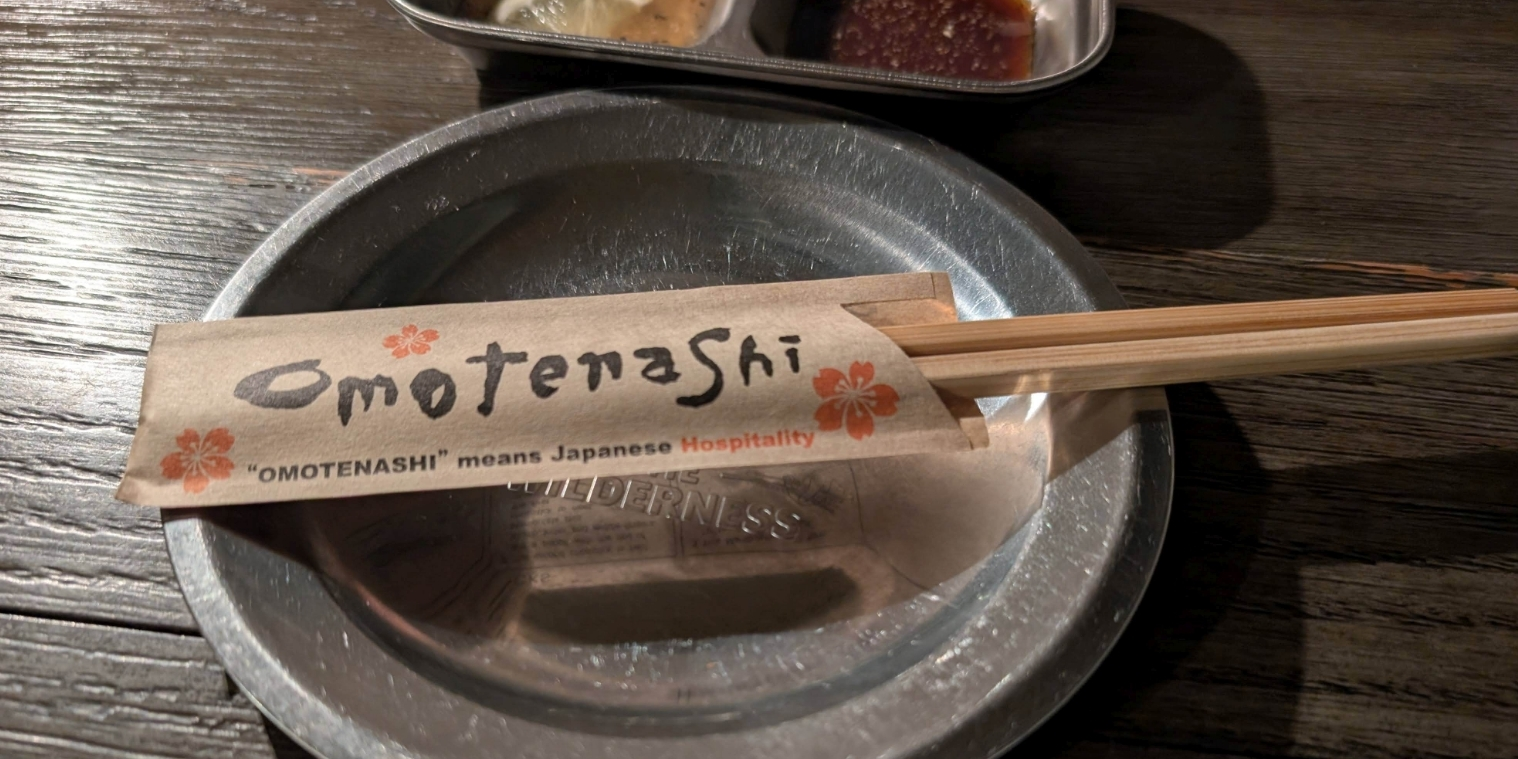
Eating is a necessity for humans (and humanlike beings). We have to eat to live.
HOW we eat varies, however, vastly.
There is a wide variety of eating utensils, for example, here on Earth – knives, forks, spoons, fingers, chopsticks, different types of bread, and variations in these. Japanese chopsticks aren’t the same as Chinese chopsticks.
Some people prefer to eat alone in private. Some people prefer to eat with friends or family in public. Some people like to share food. Some people want their own plates, not to be touched by others.
There are also eating rituals and customs like prayers before eating, the order food is eaten, how people sit or stand while eating food, etc.
All of these little details can tell readers more about your world or about your characters.
How do YOUR characters eat?
Topics: Muse Food | Comments Off on Muse Food – How Your Characters Eat
Muse Food – Rainbows And Other Meanings
An exercise expert I follow posted a video in which she described her skin as being ‘orange.’
That one throwaway sentence greatly decreased my enjoyment of the video. And it made me view her differently.
(big sigh)
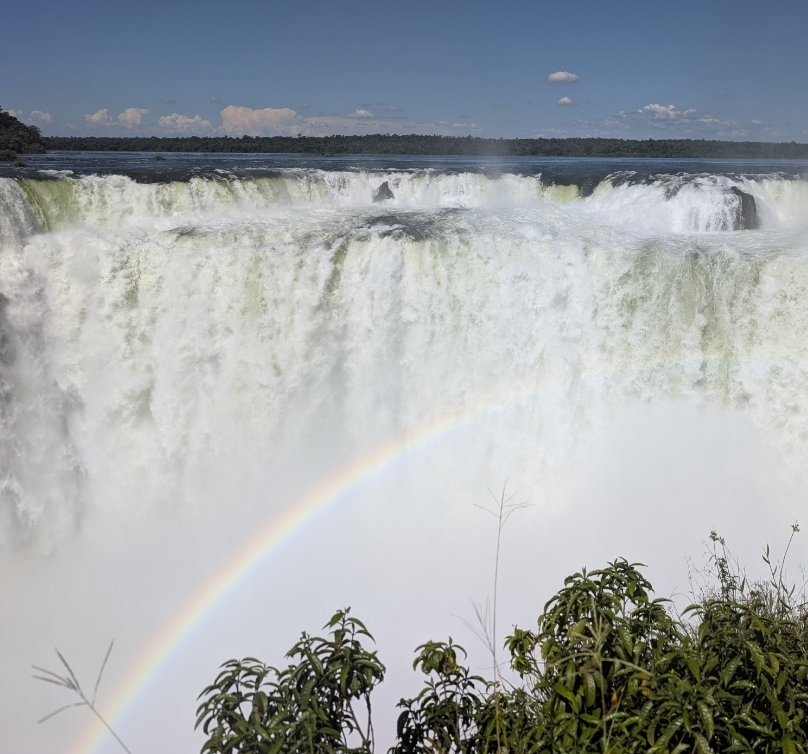
In contrast, a gardening expert recently talked about how she loves rainbows.
That throwaway sentence greatly INCREASED my enjoyment of that video.
(smiles)
Words matter. They can have multiple meanings and be loaded with emotion not at all implied by their definitions in a dictionary.
Choose the words in your story carefully.
Topics: Muse Food | Comments Off on Muse Food – Rainbows And Other Meanings
Muse Food – If You’re Creatively Stuck
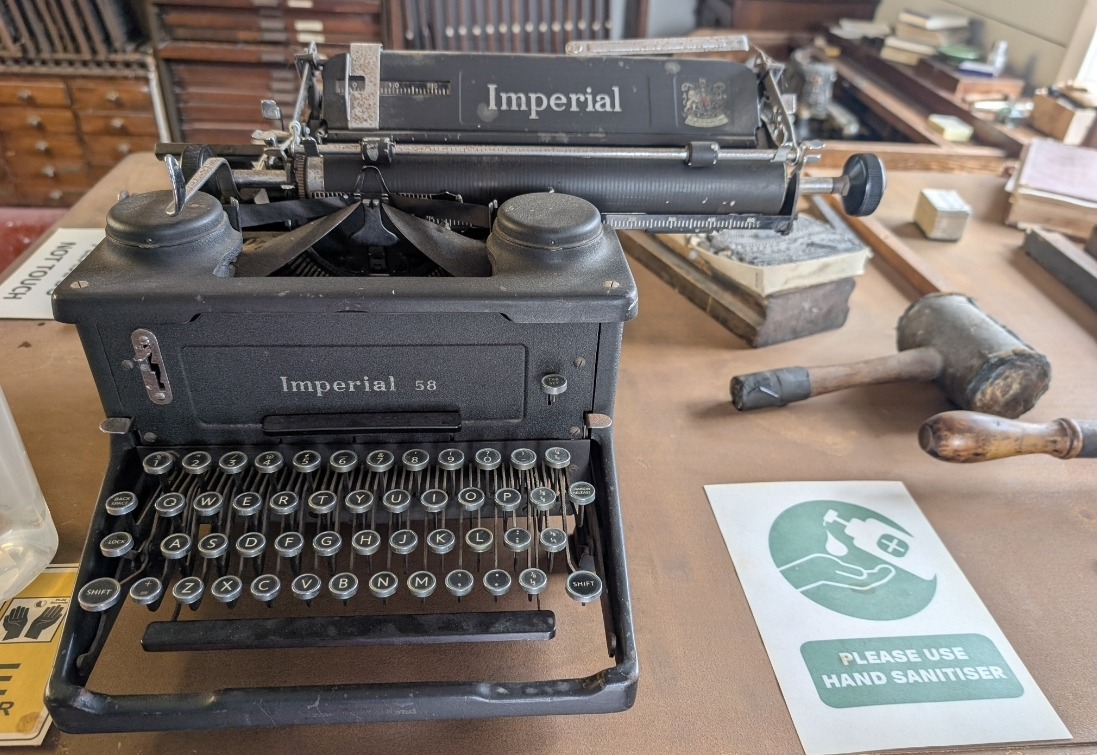
If I’m creatively stuck, one of the things I try is
using another ‘tool.’
This ‘tool’ could be switching to handwriting for a bit. And then using pens with different colors of ink (different colors stimulate different parts of our brains).
This ‘tool’ could be moving from the writing cave to a busy coffee shop.
This ‘tool’ could be writing the scene from the perspective of a different character.
There are countless tools we can use to stimulate the muse. If you’re creatively stuck, try one!
Topics: Muse Food | Comments Off on Muse Food – If You’re Creatively Stuck
Muse Food – Capybaras And Being Watched
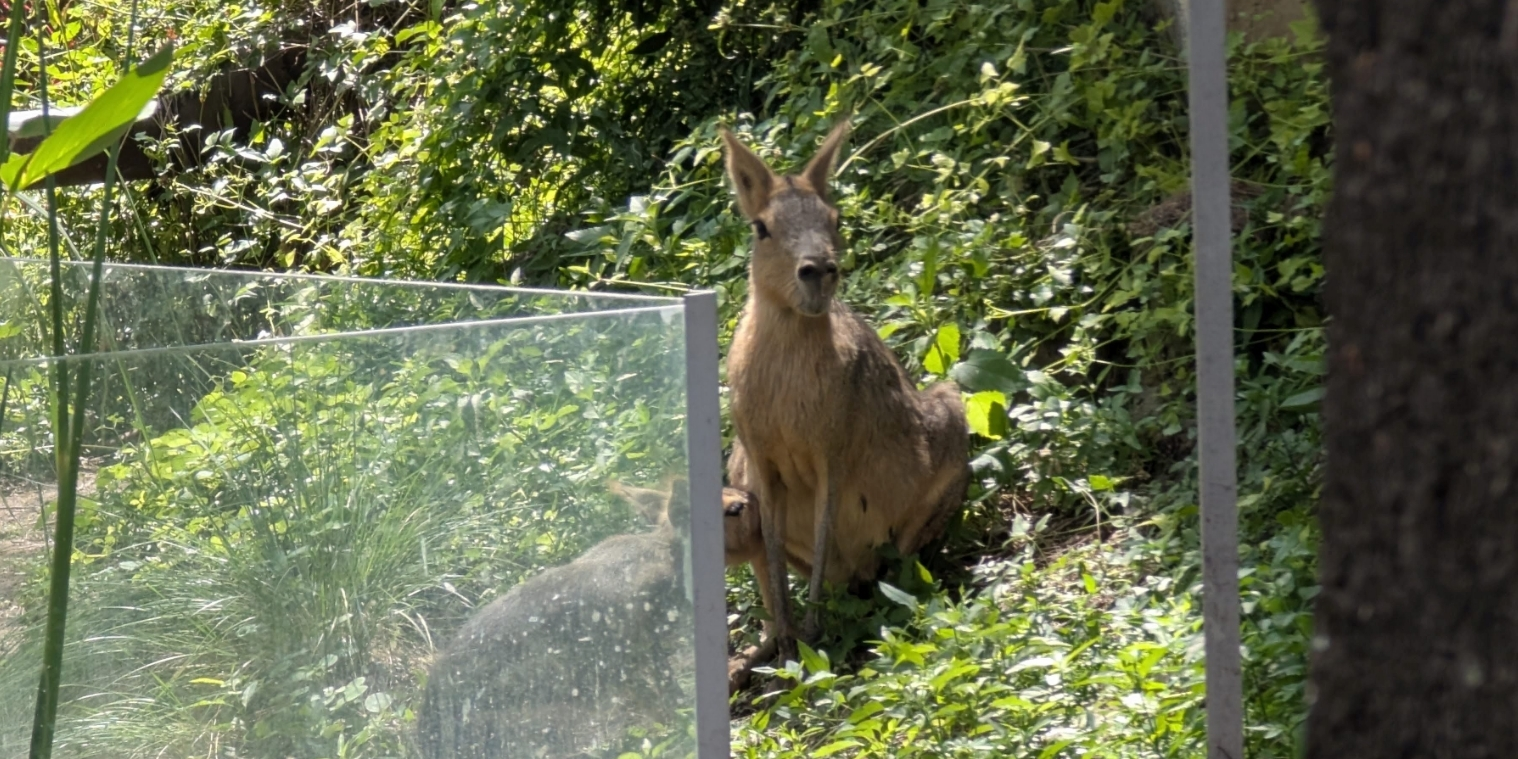
When we’re writing, we tend to focus on the main characters – what they are doing, how they are feeling, their plans, their desires, etc.
Other characters in our stories might be doing the same. THEY might be focused on our main characters. And these other characters could be nameless. They could be strangers in a crowd.
But these nameless characters can still influence the plot. Maybe they post a photo on social media that shows the main character in the background. The big baddie is monitoring all social media sites. He sees the main character in this random photo and knows exactly where they are.
Who is watching your main characters?
Topics: Muse Food | Comments Off on Muse Food – Capybaras And Being Watched