Muse Food – Woolly Bear Caterpillars And Creating Alien Creatures
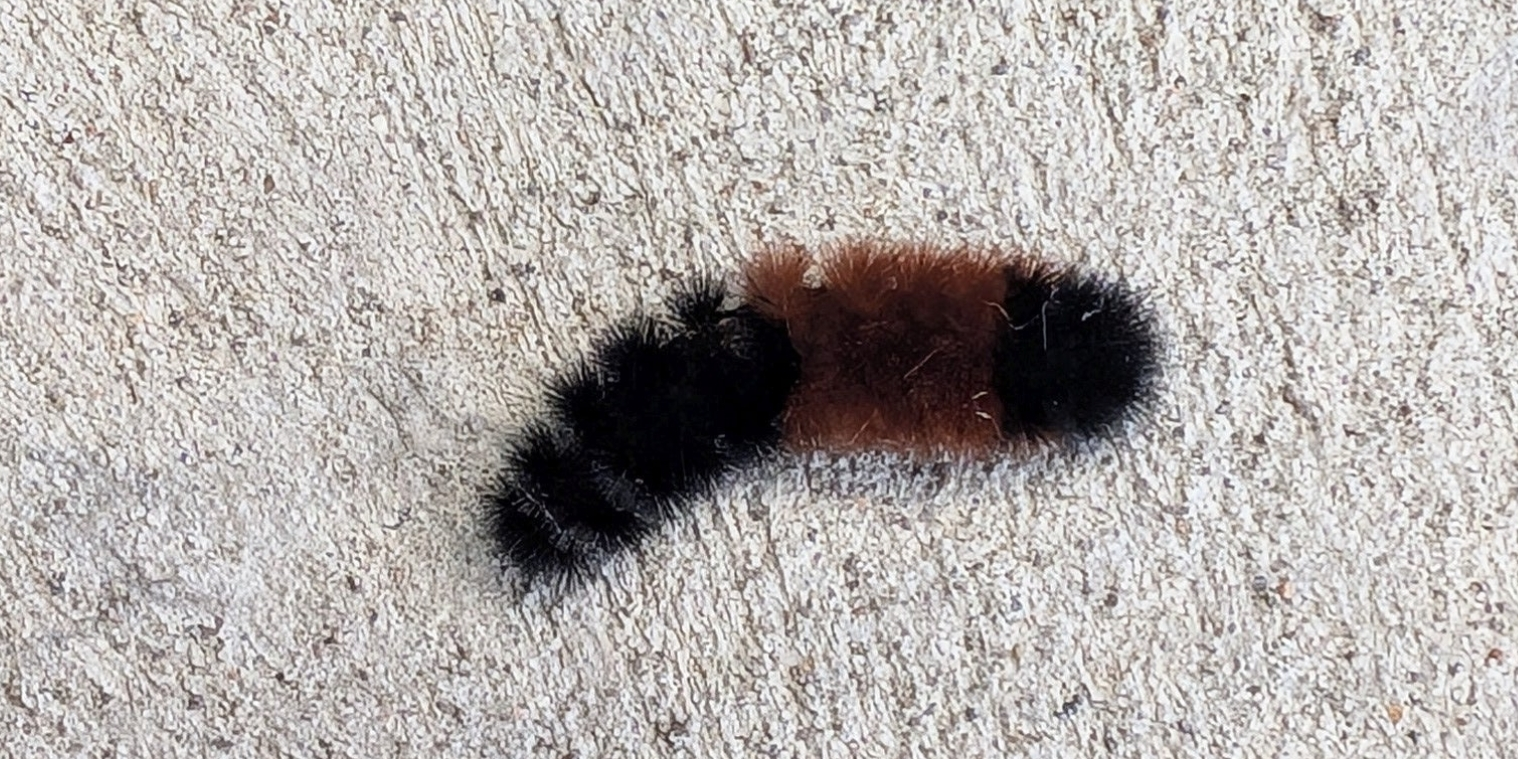
When we talk about caterpillars, we tend to think of the smooth, hairless, often green kind.
But, in Canada, there is a caterpillar called the Woolly Bear. These caterpillars look like they’re wearing a fur coat and are ideally suited for cold climates.
If you don’t come from a cold climate, you might view the Woolly Bear as an alien-like creature.
And this is an easy ‘trick’ for creating alien creatures.
Writers take an existing creature here on Earth and ask “What if?”
What if the snake lived on an ice planet? What if the pufferfish lived in a lava sea? What if the giraffe lived on a planet with floating trees?
How might they adapt to that environment?
Take an already fantastical Earth creature and make it more fantastical!
Topics: Muse Food | Comments Off on Muse Food – Woolly Bear Caterpillars And Creating Alien Creatures
Muse Food – How Your Characters Eat
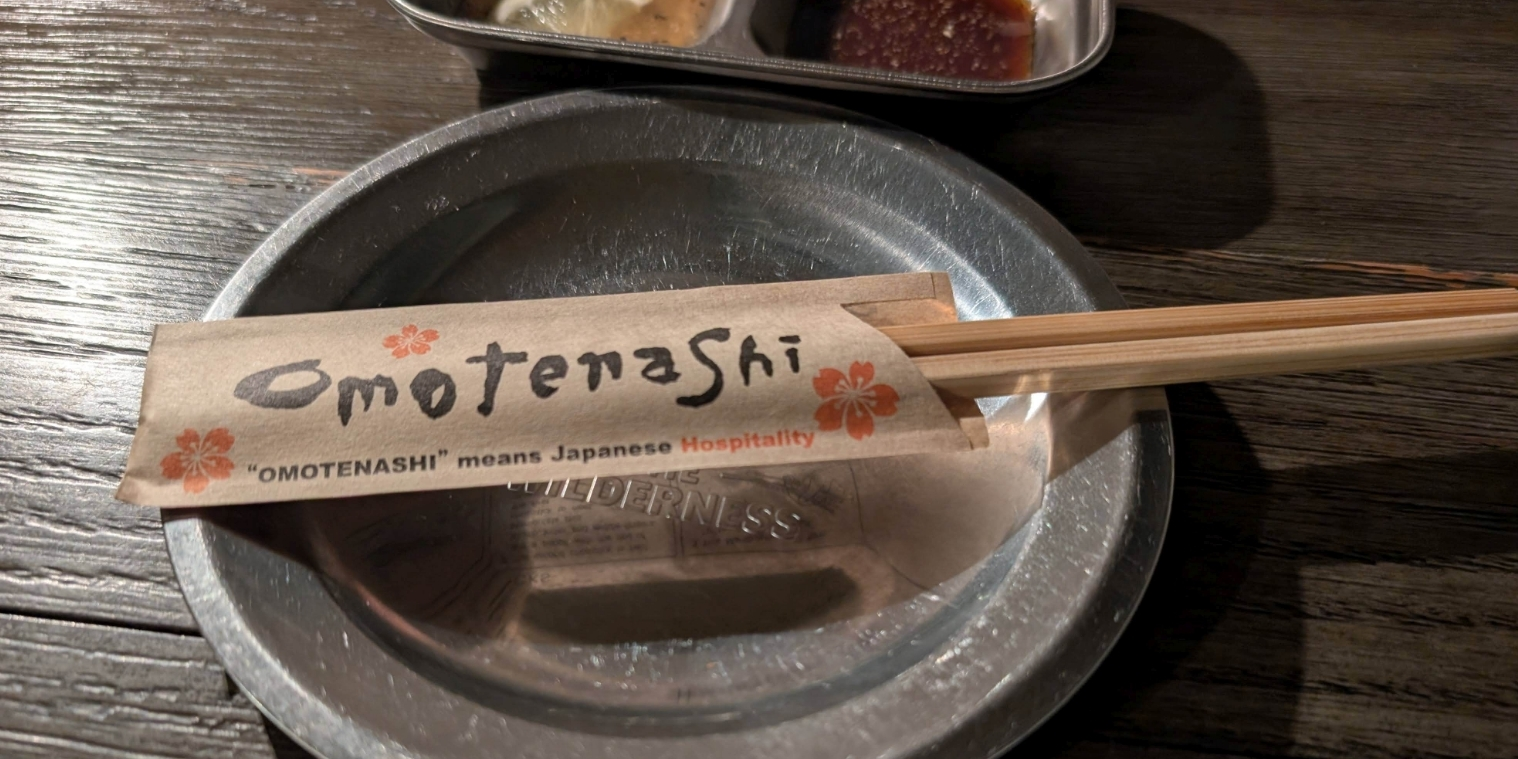
Eating is a necessity for humans (and humanlike beings). We have to eat to live.
HOW we eat varies, however, vastly.
There is a wide variety of eating utensils, for example, here on Earth – knives, forks, spoons, fingers, chopsticks, different types of bread, and variations in these. Japanese chopsticks aren’t the same as Chinese chopsticks.
Some people prefer to eat alone in private. Some people prefer to eat with friends or family in public. Some people like to share food. Some people want their own plates, not to be touched by others.
There are also eating rituals and customs like prayers before eating, the order food is eaten, how people sit or stand while eating food, etc.
All of these little details can tell readers more about your world or about your characters.
How do YOUR characters eat?
Topics: Muse Food | Comments Off on Muse Food – How Your Characters Eat
Muse Food – How Does Your World Defend Itself?
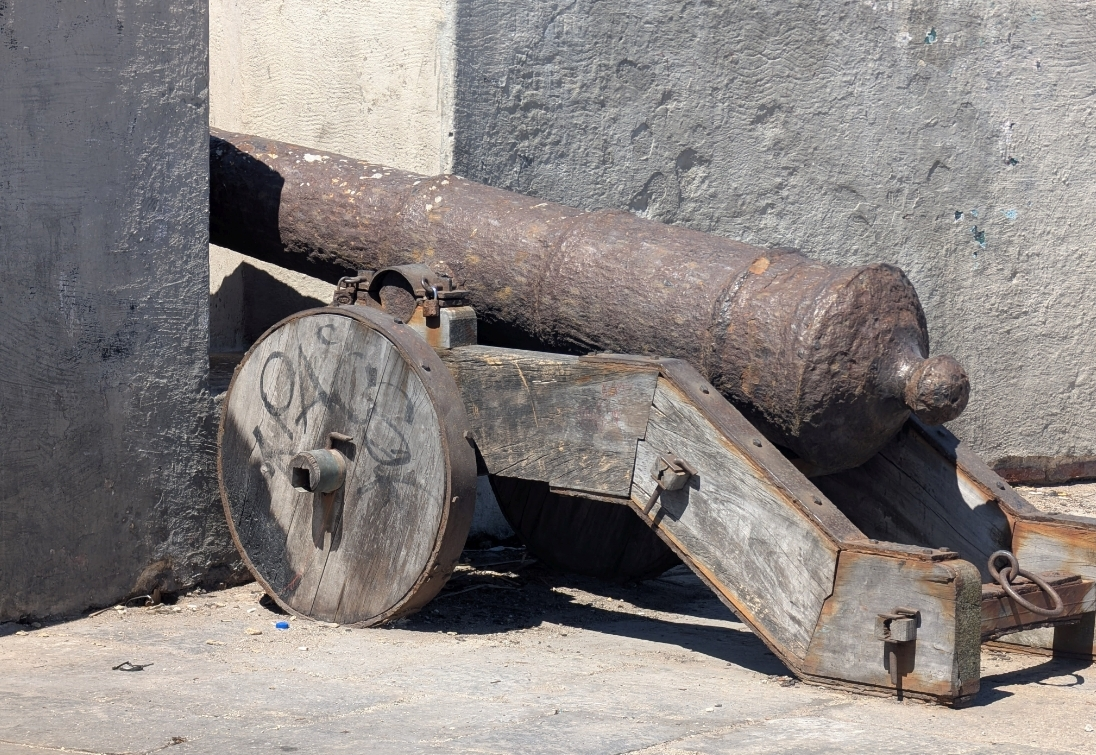
There are a gazillion ways for a civilization or a world to defend itself.
The choice of method tells us a lot about the civilization, how they think, what they value.
A truly peace loving civilization, for example, might defend itself by building strong partnerships with other civilizations. They are less likely to be attacked because they have friends or they ARE friends. In a disagreement, their first response will be to send a negotiator. Partnerships will be valued and celebrated. They might even recognize the special celebrations of their partners as well as their own.
A war loving, violent civilization, as another example, might defend itself by attacking first. They will have a strong military with many of its residents expected to serve or have served in it. There will be multiple holidays or celebrations of the military. They will place special emphasis on wars in their history, maybe even reenacting them.
Adding these details can add richness to your world and/or your story!
Topics: Muse Food | Comments Off on Muse Food – How Does Your World Defend Itself?
Muse Food – Other Escape Routes
Your characters are trapped.
The doors are blocked. The windows are sealed tight. Danger is all around them.
If they don’t escape soon, they’ll die.
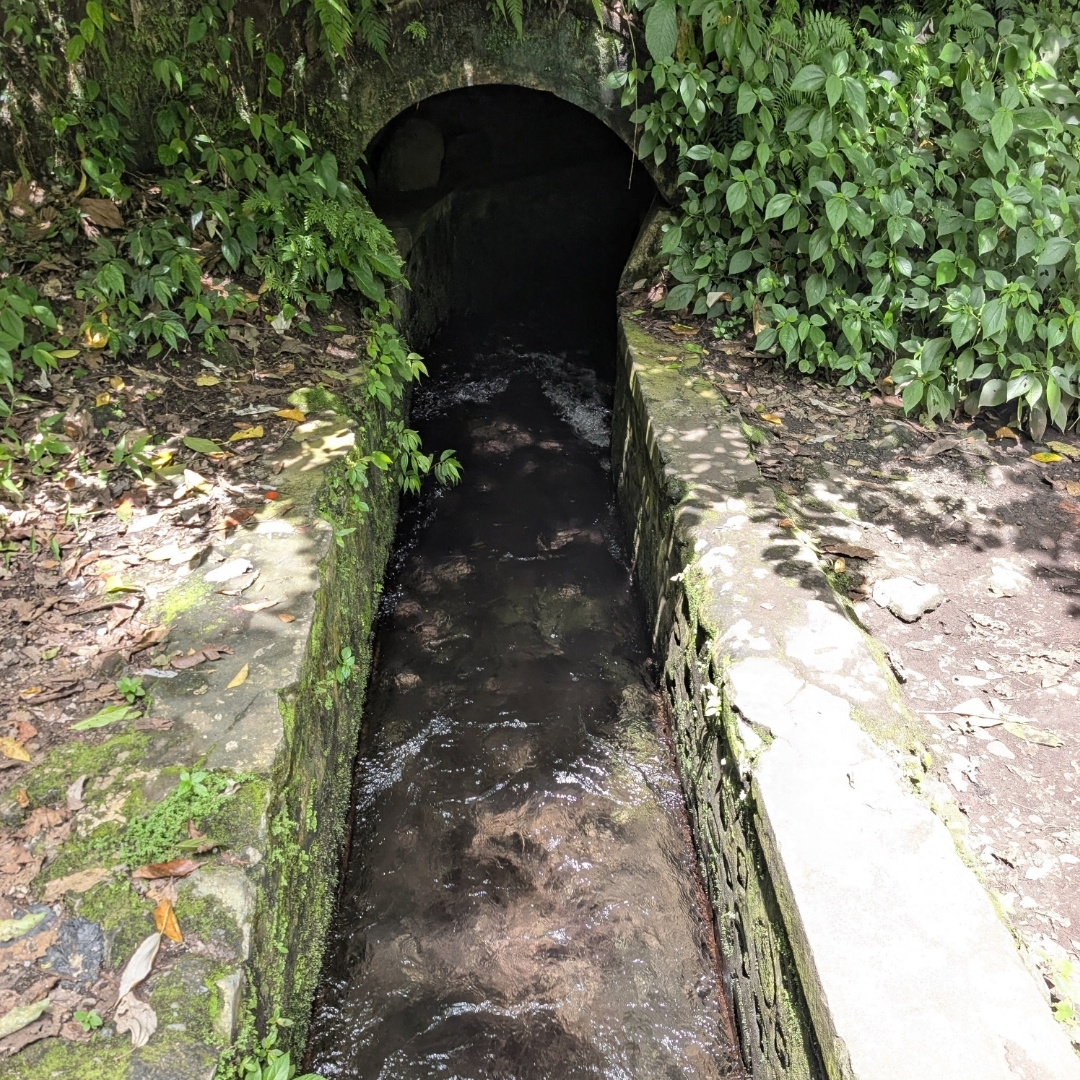
Look down. Is there drainage they can fit into?
Look up. Is there a ventilation shaft they can navigate?
Spaces are often designed for air and water to pass through them. These systems could be escape routes for your characters.
Or you could always give your characters a bomb of some kind and blow sh*t up.
That’s fun also.
(grins)
Topics: Muse Food | Comments Off on Muse Food – Other Escape Routes
Predator: Badlands And Intelligent Adversaries
Spoiler Alert – This post will talk about Predator: Badlands and it WILL contain spoilers. If you haven’t yet watched this SciFi Action Movie set on a fantastical alien world, you might wish to skip this post.
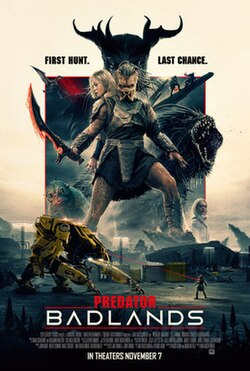
I LOVED Predator: Badlands and yes, I have enjoyed ALL of the Predator movies (my favorite being the first Alien vs Predator movie, which I would consider to be a romance if the hero’s fate wasn’t what it was – dang it).
But Predator: Badlands is special.
Because the alien world it is set in is absolutely amazing. It is worth viewing for this alone.
There are magical little details like the razor grass, which could very well have ancestors in common with our Earth vegetation. Grass cuts on our planet are extremely painful (they are similar to deep paper cuts, yet with the increased possibility of infection). And there are plants that are silver in color.
Every plant and/or creature in this alien world has possible relatives here on Earth. As someone who loves world building AND evolutionary biology, this level of care is impressive.
Another reason to watch Predator: Badlands is the big baddie.
The unkillable creature the Predator is hunting has earned its place at the top of this hostile planet’s extensive food chain.
One of my pet peeves are dumb big baddies. Yes, underlings can be idiots. That is highly likely. (grins) And yes, villains can make mistakes (one common human mistake is overconfidence).
But you don’t get to the top by being dumb (So NEVER dismiss a real life big baddie because you feel they lack intelligence. They don’t. You’re underestimating them.).
In Predator: Badlands, we are shown that the Big Baddie, the alien creature the Predator is hunting, can learn. Quickly. It can communicate. It can problem solve.
It is formidable opponent.
And that makes this already action-packed movie even more thrilling. And interesting.
Topics: Movie Reviews | Comments Off on Predator: Badlands And Intelligent Adversaries
Muse Food – Respect For The Land
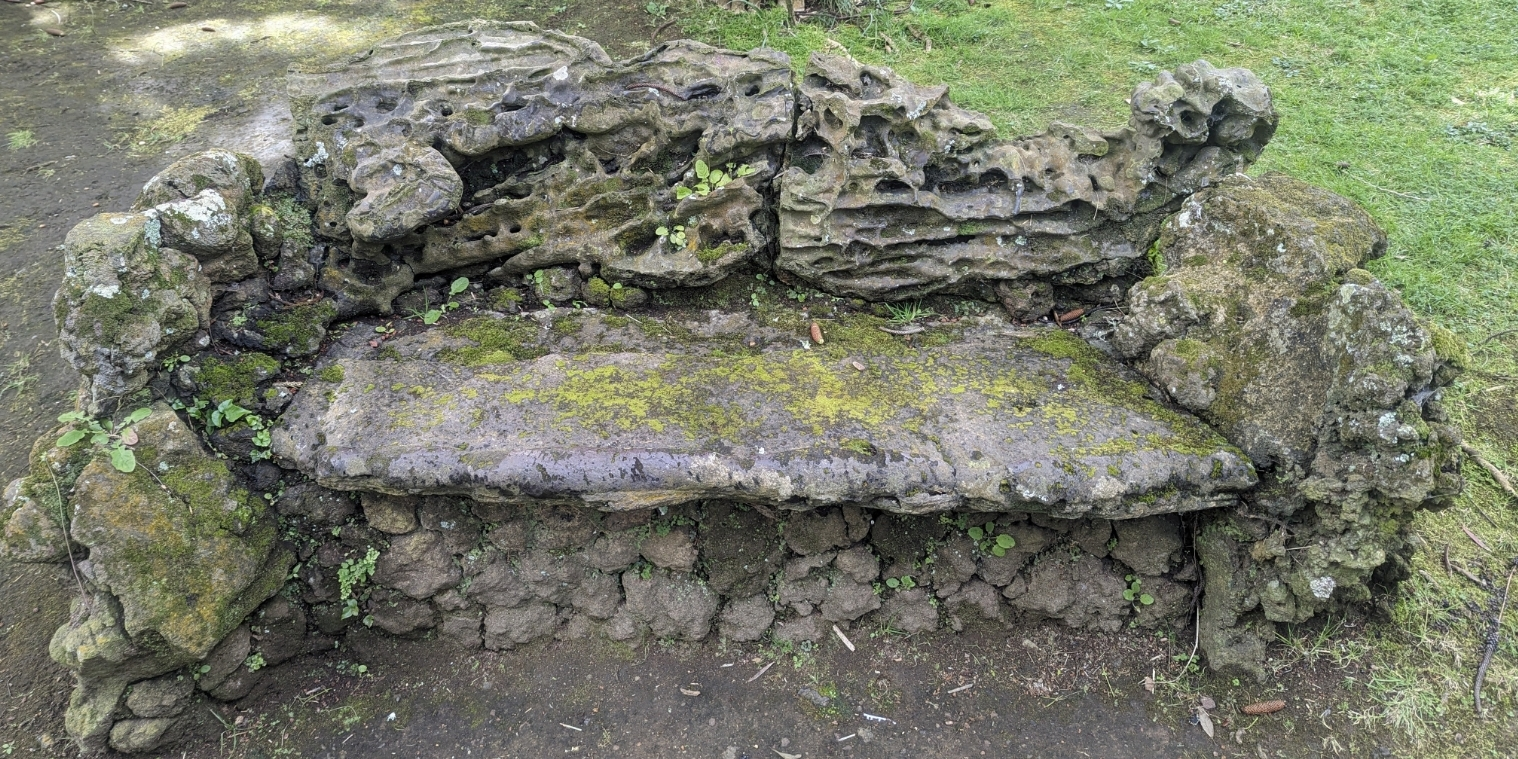
I read a quote recently that said you can determine who are the invaders and who are the locals by how they treat the land.
Invaders are careless with the land. They destroy it. Forever
Locals are careful with the land. They try their best not to harm it permanently.
Are the beings in the world you’re writing or reading invaders or locals? How do they treat the land around them?
Topics: Muse Food | Comments Off on Muse Food – Respect For The Land
Muse Food – Dinosaurs And The Remains We Display
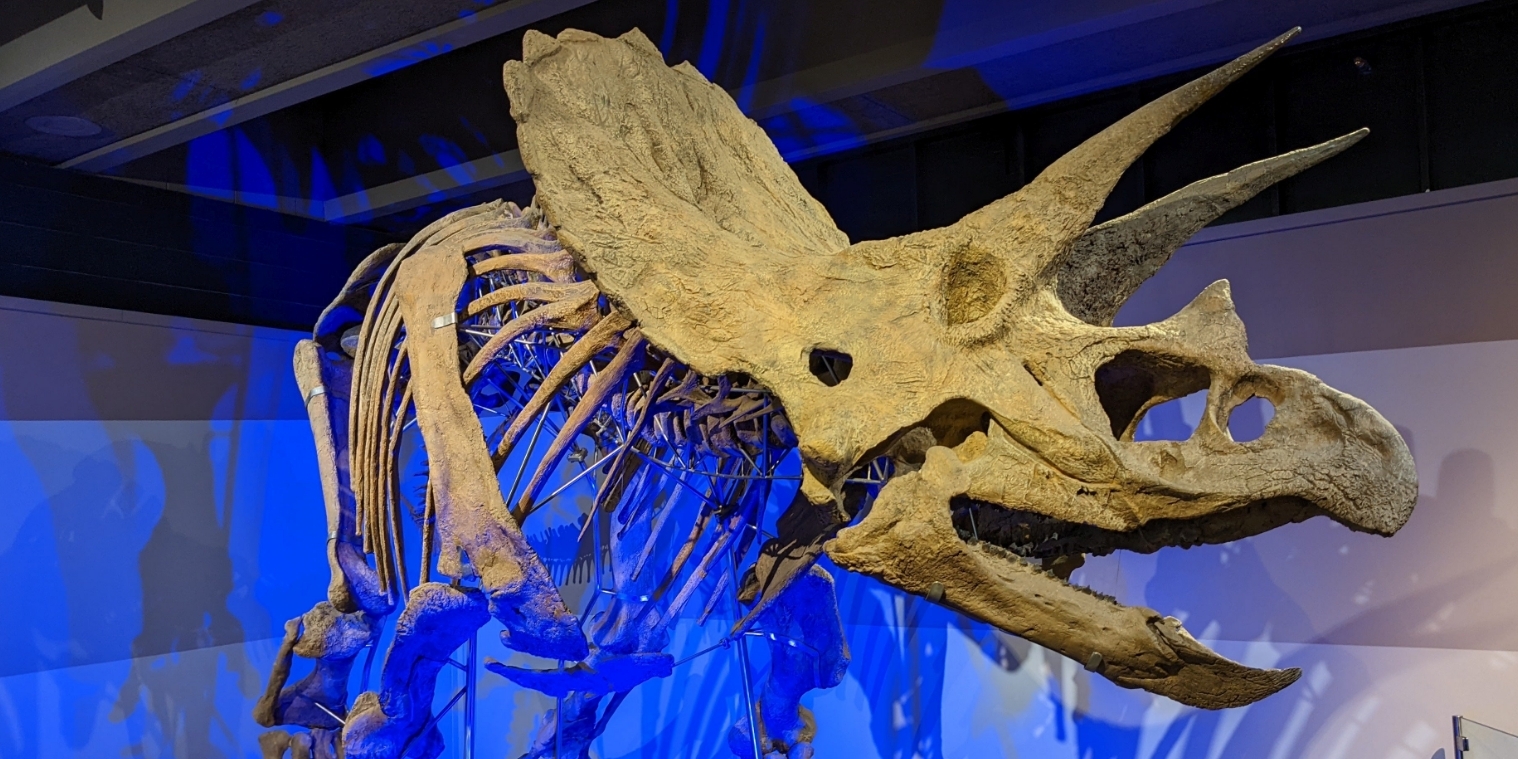
What happens to the remnants of beings and other living things after they die tells us a lot about the world we live in, the beliefs, the culture, the priorities.
Why do many humans in North America believe it is okay to display human corpses from ancient Egyptian times (i.e. mummies) but it isn’t okay to display the corpse of a celebrity who died last year?
Why do displays of bones from dinosaurs draw crowds yet the fossilized plant life from the same period is rarely even displayed?
How are the remnants of beings and other formerly living things treated in the world you’re writing or reading about? What does that say about that world?
Topics: Muse Food | Comments Off on Muse Food – Dinosaurs And The Remains We Display
Muse Food – The Statues We Erect
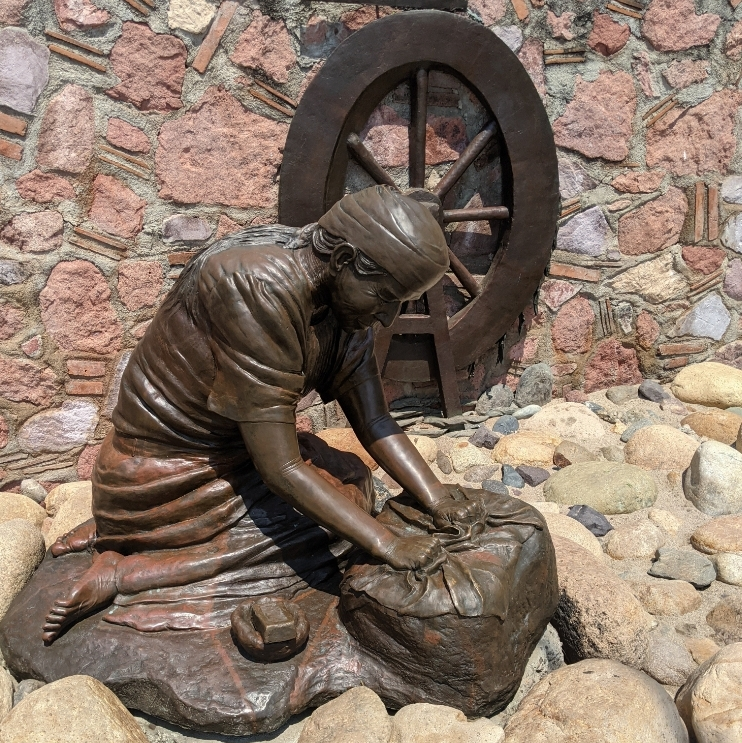
The statues or sculptures we erect tell visitors what is important to us.
If the statues are all military figures, visitors will know they are in a war-loving place. They should expect hostilities toward strangers, a big police or military presence, disputes that end in violence.
If the statues or artwork are of artists, writers, sculptors, weavers, singers, visitors will expect a place that celebrates and values the arts, a creative, free thinking place that accepts differences.
If the statues are, like the above sculpture called ‘The Washer Woman’ by Jim Demetro in Puerto Vallarta, of the average working person, visitors will expect a place that strives to treat everyone fairly equally, that values the efforts of everyone.
What statues have been erected in the fictional world you’re creating or reading about? What do they say about that world?
Topics: Muse Food | Comments Off on Muse Food – The Statues We Erect
Muse Food – Sunset Rituals
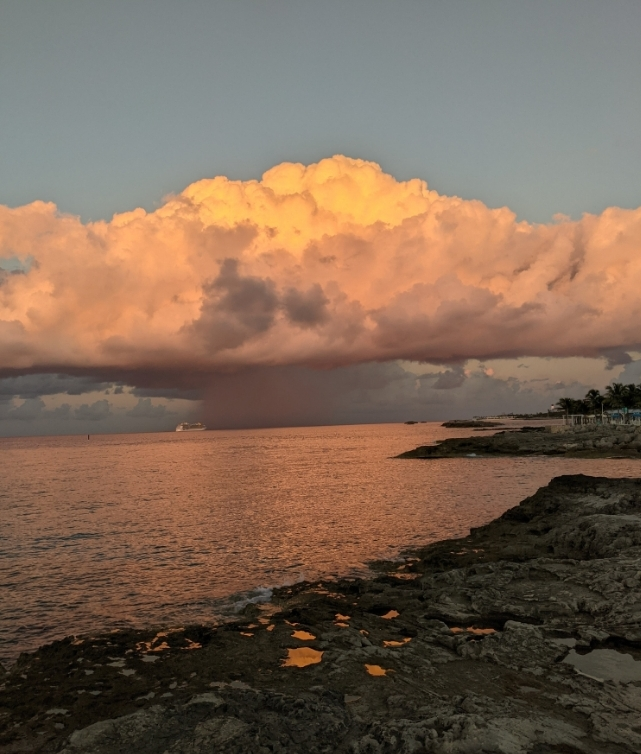
What happens in your world when the sun (or suns) set? When the light turns to dark?
Does the mood change? Does the tempo change? Do your characters change? Do they have rituals or routines they do when the sun sets? Do they sleep? When do they sleep?
All this is part of world building and sharing it can draw readers deeper into your story.
Topics: Muse Food | Comments Off on Muse Food – Sunset Rituals
Muse Food – New Year’s Eve And Other Points In Time

Wednesday is New Year’s Eve.
It is the end of the year, of 2025.
It is also a day we, humans, invented to help us keep track and deal with passing moments, with the relentless progression of time.
It has no meaning other than the ones we give it. Yet it has become super important (and fun!) for many of us.
Do your characters have days, months, years in their worlds? Are there points in their timelines they celebrate or acknowledge?
Topics: Muse Food | Comments Off on Muse Food – New Year’s Eve And Other Points In Time