Muse Food – The Path Itself

Often, when we hear about characters taking a path, we are most interested in where that path leads. We might also be interested in the beings they meet and the dangers they encounter along the way.
But sometimes the path itself can be fascinating.
The yellow brick road in The Wizard Of Oz, for example, is a key part of the setting. It is almost a character itself.
Perhaps the path your characters take is sentient. Maybe it twists and turns depending on its mood. Maybe the destination is whatever the path feels the characters deserve or need.
How can you make the path itself more interesting?
Topics: Muse Food | Comments Off on Muse Food – The Path Itself
Muse Food – Capybaras And Being Watched
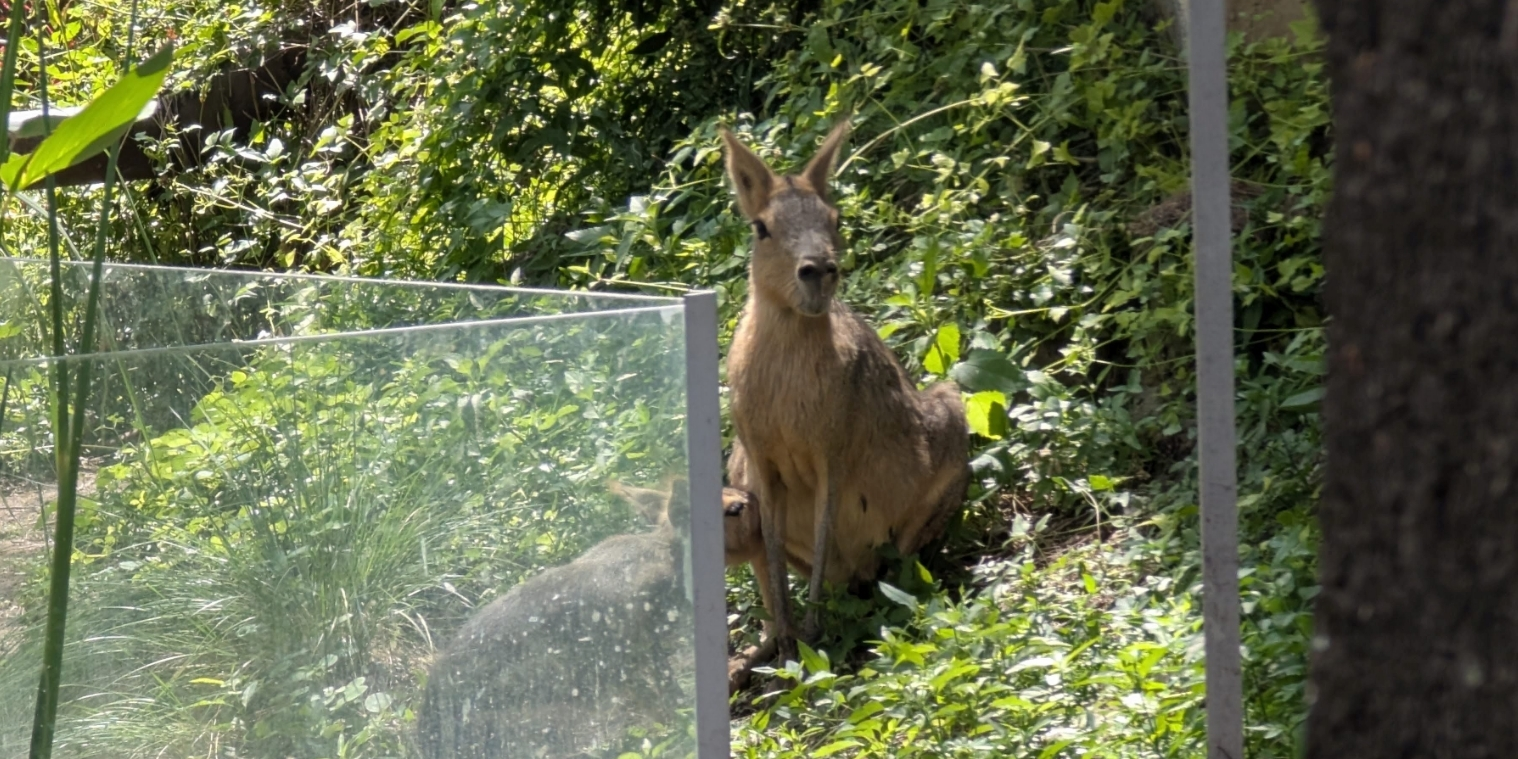
When we’re writing, we tend to focus on the main characters – what they are doing, how they are feeling, their plans, their desires, etc.
Other characters in our stories might be doing the same. THEY might be focused on our main characters. And these other characters could be nameless. They could be strangers in a crowd.
But these nameless characters can still influence the plot. Maybe they post a photo on social media that shows the main character in the background. The big baddie is monitoring all social media sites. He sees the main character in this random photo and knows exactly where they are.
Who is watching your main characters?
Topics: Muse Food | Comments Off on Muse Food – Capybaras And Being Watched
Muse Food – How Does Your World Defend Itself?

There are a gazillion ways for a civilization or a world to defend itself.
The choice of method tells us a lot about the civilization, how they think, what they value.
A truly peace loving civilization, for example, might defend itself by building strong partnerships with other civilizations. They are less likely to be attacked because they have friends or they ARE friends. In a disagreement, their first response will be to send a negotiator. Partnerships will be valued and celebrated. They might even recognize the special celebrations of their partners as well as their own.
A war loving, violent civilization, as another example, might defend itself by attacking first. They will have a strong military with many of its residents expected to serve or have served in it. There will be multiple holidays or celebrations of the military. They will place special emphasis on wars in their history, maybe even reenacting them.
Adding these details can add richness to your world and/or your story!
Topics: Muse Food | Comments Off on Muse Food – How Does Your World Defend Itself?
Muse Food – Add A Splash Of Color

This little boat is a splash of bright color amidst a sea of white and/or black boats. It stands out. It draws the eye. It is a MOOD.
Consider adding a splash of color to the scene you’re currently crafting. This could be a hero in a bright red coat. Or a word that is rarely used and fantastical. Or an explosion. (grins) I love explosions.
Make something in your scene stand out.
Topics: Muse Food | Comments Off on Muse Food – Add A Splash Of Color
Muse Food – Physical Space
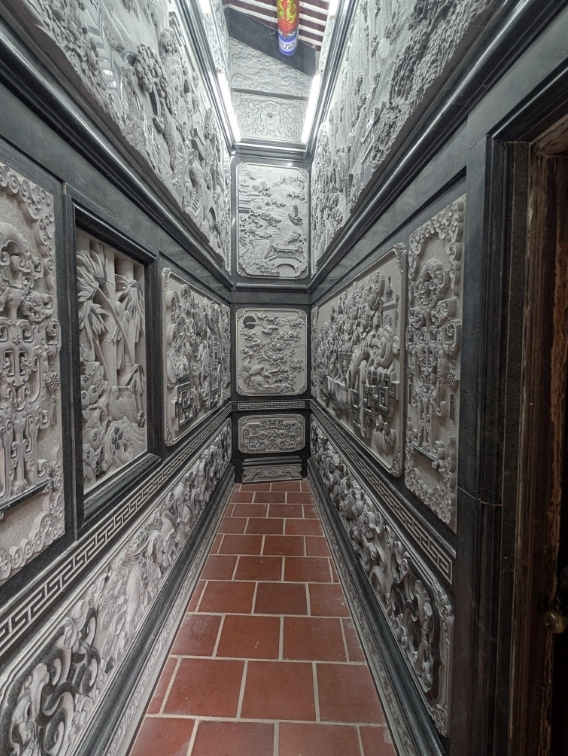
There are many reasons why ‘Only One Bed’ is such an appealing trope and one of them is because there is a very small physical space the characters have to inhabit.
And that space can be even smaller. That one bed could have been designed for a single person.
Changing the physical space the characters inhabit can significantly change a scene.
A hero whispering in the heroine’s ear in a confined closet where they are forced to press up against each other, for example, is a very different experience than a whisper in a massive ballroom.
A heroine floating alone in the vast expanse of space is a very different experience than the heroine floating alone in a bathtub.
A battle scene inside a building is different than a battle scene in a wide open field.
Can you change the physical space your characters are inhabiting to make the scene more powerful?
Topics: Muse Food | Comments Off on Muse Food – Physical Space
Muse Food – Love Vans And Time As A Setting
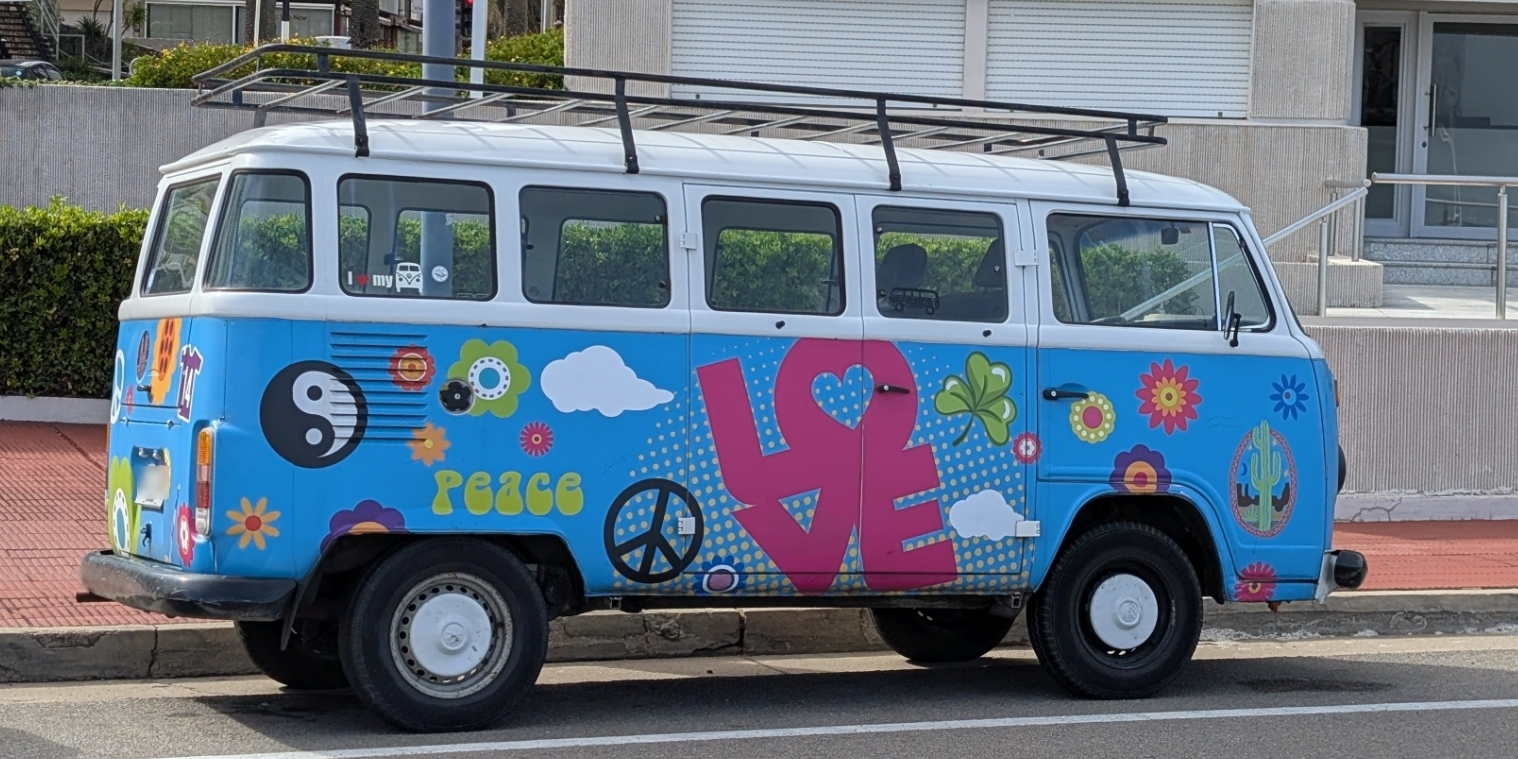
The Dear Wonderful Hubby and I spotted this van while trekking around South American and we both immediately thought of the 1960s, the hippie era, a time when some young people embraced peace and love and unity.
Time can be a powerful setting.
It can influence language and fashion and thinking, whether the heroine is viewed as a rebel, for example, or the average girl.
Certain colors and images on covers, for example, can convey a time period like the rocket shaped spaceships on the 1970s SciFi Romances or the high waist gowns on Regency Romances.
What time is your story set in? How does that factor into your plot?
Topics: Muse Food | Comments Off on Muse Food – Love Vans And Time As A Setting
Muse Food – Who Is Watching?

We saw these two little ‘guys’ intently watching some action on the pier.
(smiles)
Who is watching your hero’s or heroine’s actions? Why are they watching? What will these observers do with the information they gain? How will being watched change your character’s future?
Topics: Muse Food | Comments Off on Muse Food – Who Is Watching?
Muse Food – The Ruins That Remain

In any world, there are remnants of the past. There could be a fallen rotting tree, the skeleton of a bird, dilapidated buildings, crashed and now rusting spaceships.
These remnants give newcomers hints of the world’s past.
There are also the ruins that are deliberately not built over or removed. They are indications of the past the current inhabitants WANT to be seen and remembered. And often they reflect what the current inhabitants WANT newcomers to understand about their current culture or society.
What are these ruins in your world?
Topics: Muse Food | Comments Off on Muse Food – The Ruins That Remain
Seasons In The Sun
Yes, I’m singing that classic Terry Jacks’ song, Seasons In The Sun. (grins) My mom would play that song when I was a little trooper.
The season in which a writer sets a story plays an important role. A story set in winter has a different tone than a story set in summer. Winter is viewed as being dark and cold, sometimes grim. Summer is hot and sunny, a happier, more carefree season. Spring is a season of renewal, of fresh starts, of hope. Fall or autumn is associated with school, getting back to work, harvest.
I have stories set in all of the seasons but my favorite is definitely summer. As I often write about exhibitionism and voyeurism, summer gives me more flexibility. Few people run around naked in the dead of winter (except for Prism, the streaking fairy in Clothing Optional Christmas – grins). Setting a story in summer allows my characters more freedom.
Some reading buddies have asked me why I set Breaking All The Rules in summer. Nate, the hero, is known as the Ice Man. Wouldn’t it make more sense to set this story in winter? Nate would be in his element then.
And that’s the problem. In order to open his heart to Camille, Nate has to change. He’ll only change if he becomes uncomfortable. He has to be taken out of his element, to be put at a disadvantage.
Another reason Breaking All The Rules is set in summer is Camille’s connection to the Earth. Her parents are hippies. She grew up on a commune, growing her own herbs and vegetables. When she’s stressed (and falling in love with Nate does cause Camille stress), she seeks a link to Mother Earth. She digs her bare toes into the soil. She gets her fingers and feet dirty. For Nate to truly understand Camille, he has to see this connection.
I also often wonder if Camille would have pushed Nate so hard in the middle of winter. She is definitely solar powered. It energizes her. She needs this energy when she seduces her Ice Man.
I couldn’t tell this love story in any other season.
Do you prefer to read stories set in a certain season? Which season and why?
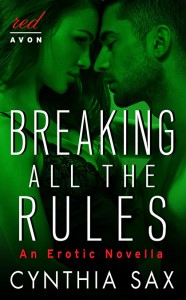
Nathan Lawford, Blaine Technologies’ chief financial officer, is known as the Iceman. He conducts his personal and business affairs without emotion, never allowing himself to become involved with anyone. When Nate sees something or someone he wants, he negotiates, paying a simple, set monetary price.
Now he wants Camille, the company’s green-haired intern.
Camille Joplin Trent never expected to be paid to pleasure the man of her dreams. She can’t quite figure out why this is a bad thing. Nate is intelligent, handsome, sophisticated, everything she’s ever wanted in a lover and never thought she could have. Their contract is for a month, thirty lust-filled days of making every sexual fantasy they’ve ever had come true. At the end of this month, the rules state their relationship will end.
Of course, Camille has never been good at following rules.
Buy Now At Amazon: http://www.amazon.com/Breaking-All-Rules-Erotic-Novella-ebook/dp/B00F2I2GXY
Buy Now At ARe: https://www.allromanceebooks.com/product-breakingalltherules-1453084-149.html
Topics: Writing Tips | Comments Off on Seasons In The Sun