Gardening – Diversify Your Garden
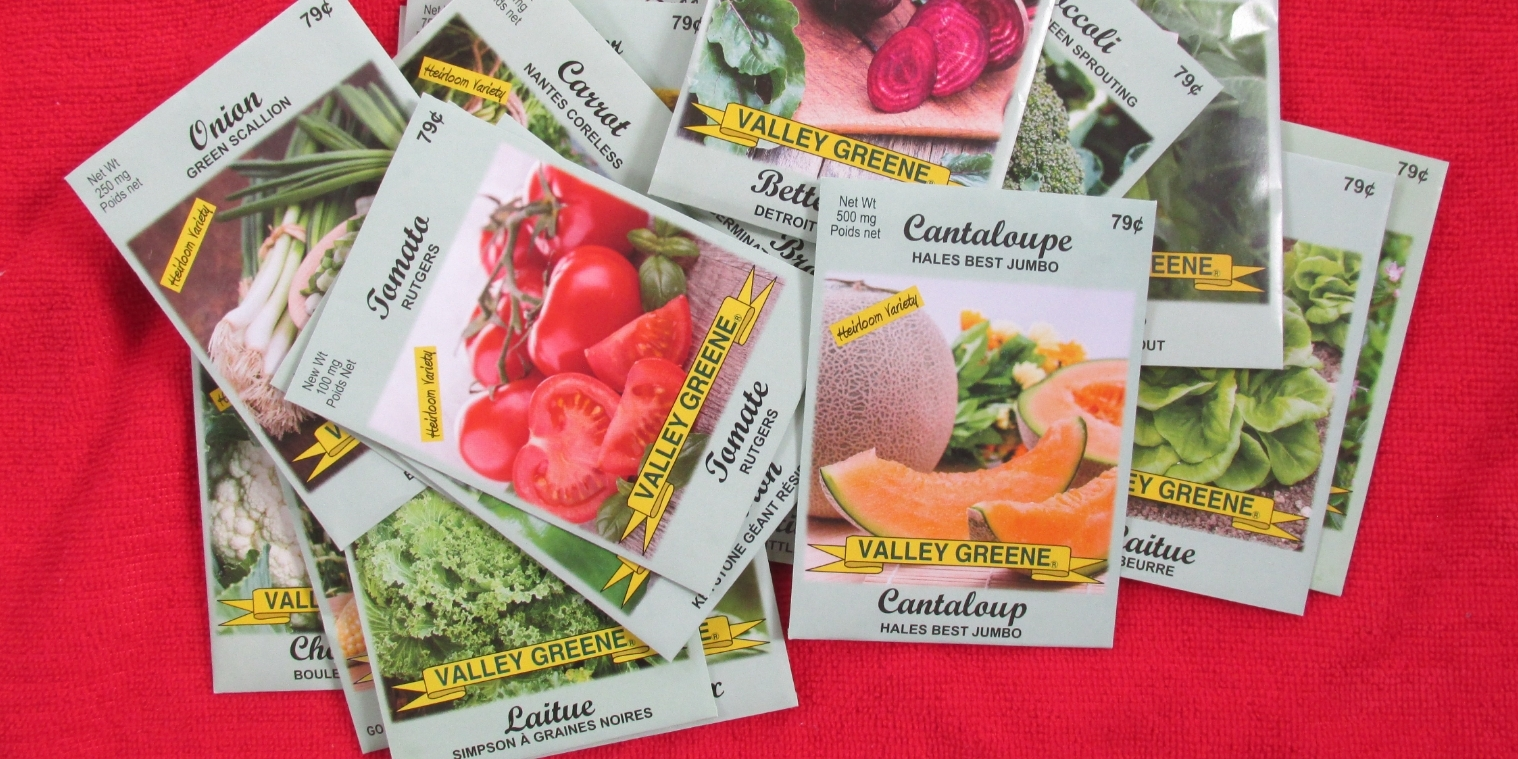
The weather in my part of the universe last year was…strange. And the vegetables I expected to do well didn’t. The vegetables I often planted for fun, however, did well.
I was happy that I planted a wide variety of vegetables.
The weather in 2026, I suspect, will be as strange. But likely in a different way.
So a big focus of my garden plans this year is diversity. I will plant just about everything and hopefully something does well.
(smiles)
Gardening is an adventure. Be adventurous in your plant selection!
Topics: Gardening | Comments Off on Gardening – Diversify Your Garden
2025 Gardening Lessons – Plant A Wide Variety
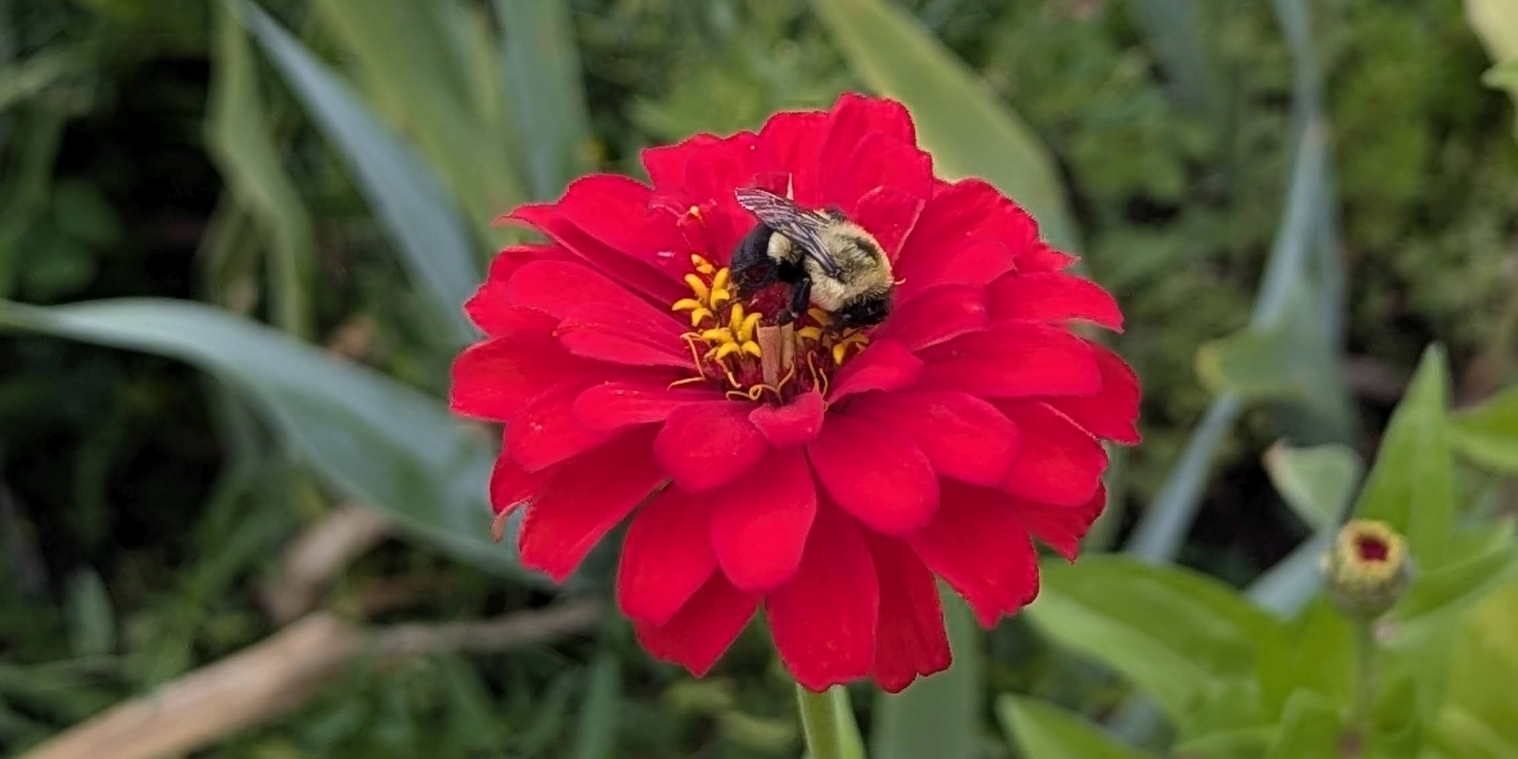
The weather during our 2025 gardening season was…wild.
It was scorching hot one day and near frost cold the next day. It rained hard for a day. Then there was drought for a month. Insects, both beneficial and harmful, were plentiful.
The plants I expect to do well in our garden (like tomatoes) didn’t. The plants that did well (like parsley) surprised me.
I think, with our changing climate, this unpredictability will become…predictable.
And the only way I think to combat this, while gardening outside, is to plant a variety of crops and hope some do well.
Topics: Gardening | Comments Off on 2025 Gardening Lessons – Plant A Wide Variety
Gardens And The Heat

It has been a tad bit warm in my corner of the universe. (grins) Unexpected and/or excessive heat can stress and perhaps even kill plants.
Climate change is very real. The world is getting hotter. It makes sense to prepare for the heat when planting a garden.
Mulch is a must-have. (I spread knee-deep dried leaves on my garden beds every Fall/Autumn for this purpose.) As is other organic materials in the soil. That helps to retain water.
And a mulch regulates temperatures and protects the soil from baking.
Gardeners often say, “Bare soil is death.” Plants die. Microorganisms die. It is rare for there to be any bare soil in nature. And that’s why.
Many plants, like lettuce, only require a few inches of soil. So I fill out containers by putting a layer of partially composed leaves in the bottom, under the soil. This organic material holds onto water, acting like a sponge, allowing the plants to access it later.
On hot, sunny days, I also water deeply in the morning, before the sun shines on the plants. I will turn the hose on, direct it at the base of a plant and count to 20. This water will soak the mulch, which will hold onto the moisture for much of the day.
I create partially shaded areas in the garden. Tomato plants, for example, love sun and (reasonable) heat. They grow tall and shade plants like the heat hating lettuce. The sun and heat loving butternut squash climbs over a frame, shading the more vulnerable plants under it.
During the heat of the day, I try not to disturb the soil. I don’t weed. I don’t plant. I try not to even walk on the pathways.
Any soil that I expose will dry out.
It also stresses the plants. And they are feeling a lot of stress already from the heat and blazing sun. Minimizing additional stress (like from, for example, pruning) might make the difference between life and death.
I DO weed. That’s necessary. But I do that in the morning or in the evening. And, when I can, I chop and drop, leaving the weeds on the ground to decompose. That returns more moisture to the soil.
These are little things but they add up to make a difference!

Topics: Gardening | Comments Off on Gardens And The Heat