Muse Food – Respect For The Land
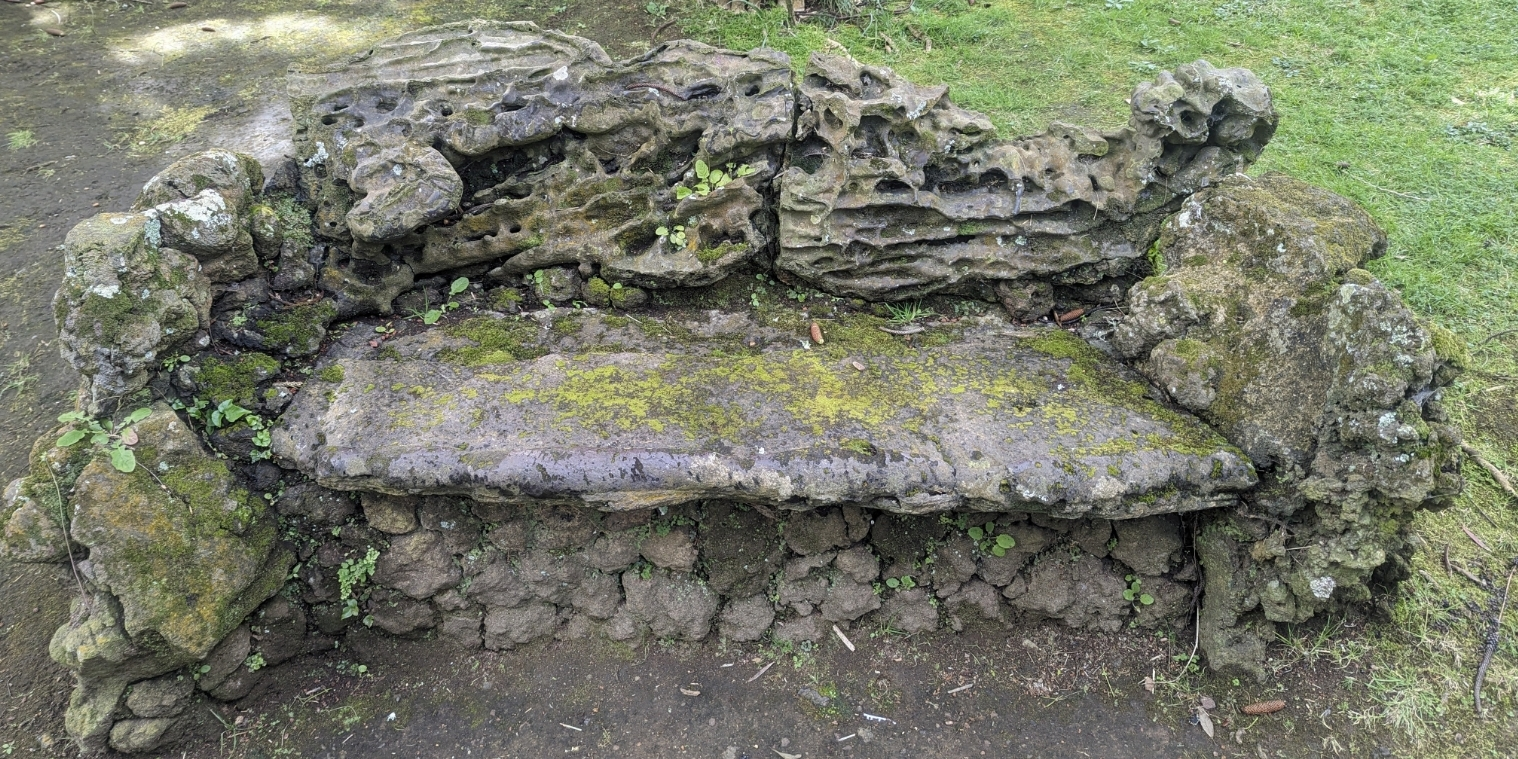
I read a quote recently that said you can determine who are the invaders and who are the locals by how they treat the land.
Invaders are careless with the land. They destroy it. Forever
Locals are careful with the land. They try their best not to harm it permanently.
Are the beings in the world you’re writing or reading invaders or locals? How do they treat the land around them?
Topics: Muse Food | Comments Off on Muse Food – Respect For The Land
Muse Food – Dinosaurs And The Remains We Display
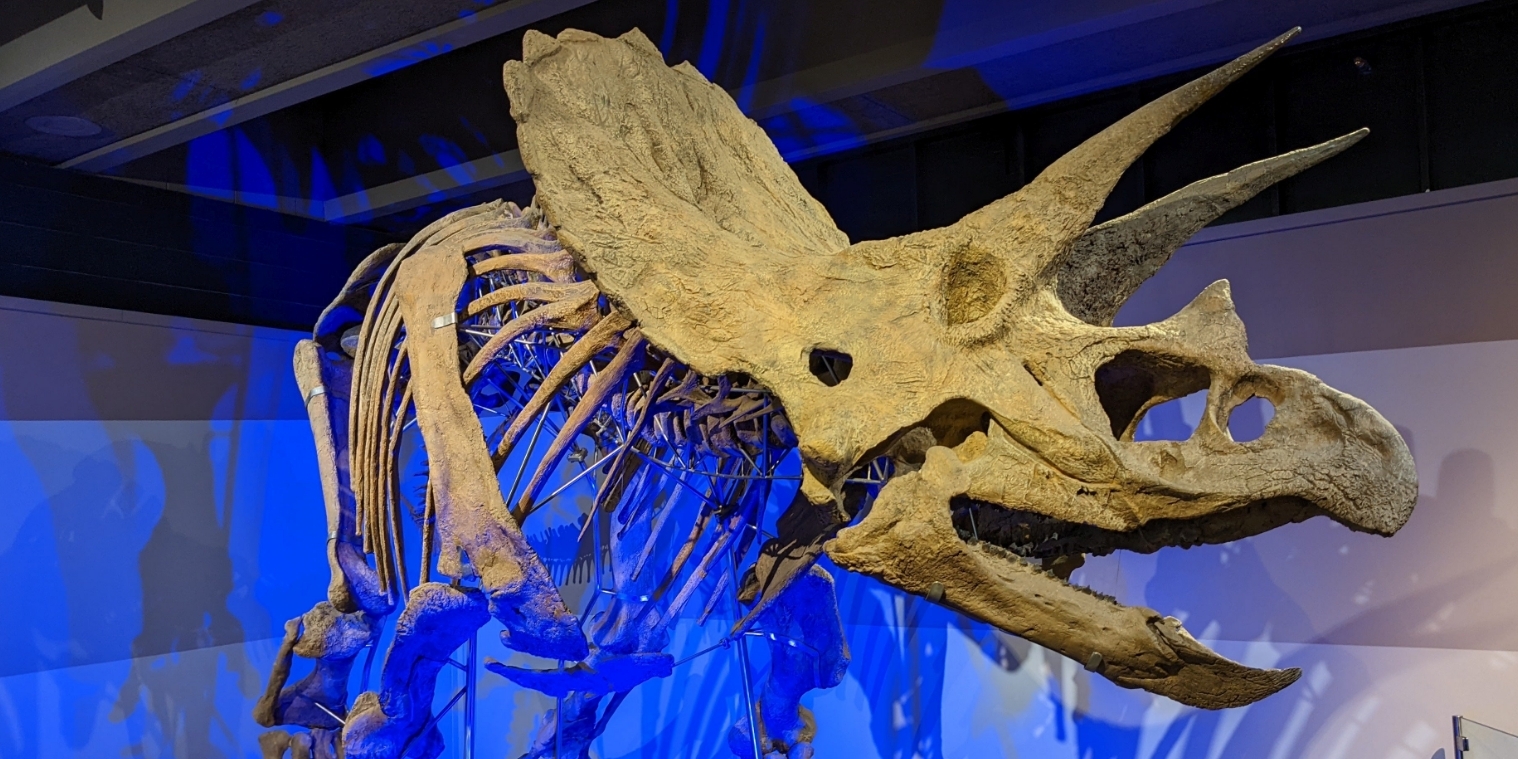
What happens to the remnants of beings and other living things after they die tells us a lot about the world we live in, the beliefs, the culture, the priorities.
Why do many humans in North America believe it is okay to display human corpses from ancient Egyptian times (i.e. mummies) but it isn’t okay to display the corpse of a celebrity who died last year?
Why do displays of bones from dinosaurs draw crowds yet the fossilized plant life from the same period is rarely even displayed?
How are the remnants of beings and other formerly living things treated in the world you’re writing or reading about? What does that say about that world?
Topics: Muse Food | Comments Off on Muse Food – Dinosaurs And The Remains We Display
Muse Food – The Statues We Erect
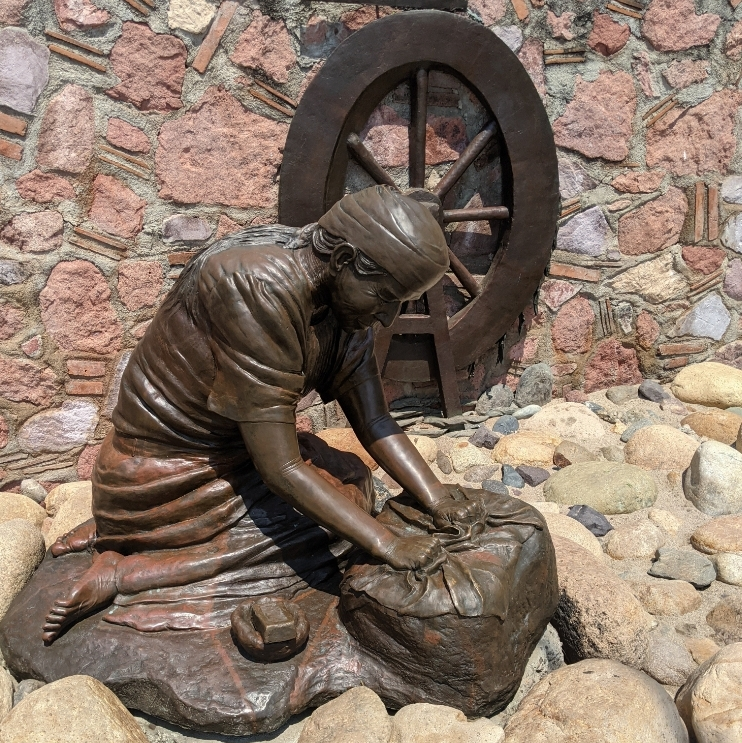
The statues or sculptures we erect tell visitors what is important to us.
If the statues are all military figures, visitors will know they are in a war-loving place. They should expect hostilities toward strangers, a big police or military presence, disputes that end in violence.
If the statues or artwork are of artists, writers, sculptors, weavers, singers, visitors will expect a place that celebrates and values the arts, a creative, free thinking place that accepts differences.
If the statues are, like the above sculpture called ‘The Washer Woman’ by Jim Demetro in Puerto Vallarta, of the average working person, visitors will expect a place that strives to treat everyone fairly equally, that values the efforts of everyone.
What statues have been erected in the fictional world you’re creating or reading about? What do they say about that world?
Topics: Muse Food | Comments Off on Muse Food – The Statues We Erect
Muse Food – Sunset Rituals

What happens in your world when the sun (or suns) set? When the light turns to dark?
Does the mood change? Does the tempo change? Do your characters change? Do they have rituals or routines they do when the sun sets? Do they sleep? When do they sleep?
All this is part of world building and sharing it can draw readers deeper into your story.
Topics: Muse Food | Comments Off on Muse Food – Sunset Rituals
Muse Food – The Aerial View

Sometimes, when a scene isn’t working for me, I like to imagine I’m seeing it from a plane or spaceship hovering or flying above it.
I look at the aerial view.
Are all the participants in the right spot? Have I forgotten about a participant? Who is in the most danger. Am I telling it from the right character’s perspective?
Looking at the scene this way gives me a fresh view of it. It takes me out of my current stuck mindset.
And often this helps!
Topics: Muse Food | Comments Off on Muse Food – The Aerial View
Muse Food – Ray’s Story And Writing Crowd Scenes
The worlds our characters live in are often HUGE. There might be a gazillion beings in it.
And it is rare that our main characters are alone.
Sometimes they’re in crowds.
We, writers, still want the focus to be on our main characters. It is their story. We don’t want our readers to be distracted from it.
But we also want our readers to live in the scene, to be able to picture it, to feel like they are there.
What I do is I choose a few background characters in the scene and I describe them and what they’re doing.
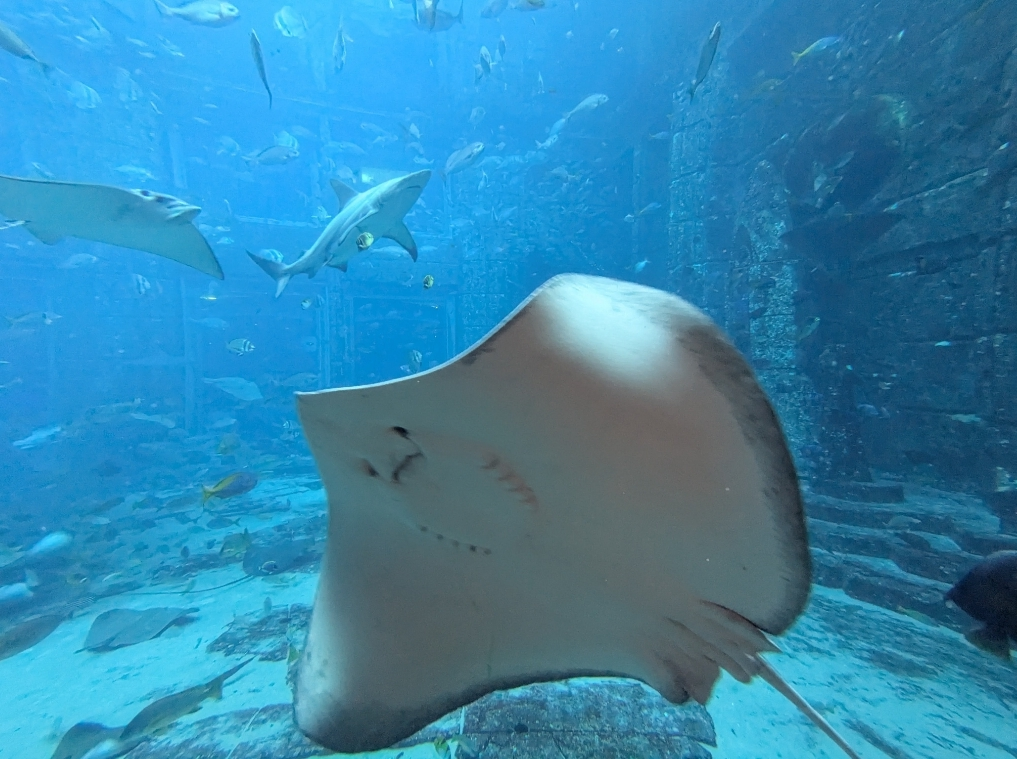
In this photo, I might write “Behind Ray, a shark pursues a silver fish. Another ray glides by. Other fish churn the waters.” And that’s it.
It sets the scene but it doesn’t distract from Ray’s story.
Topics: Muse Food | Comments Off on Muse Food – Ray’s Story And Writing Crowd Scenes
Muse Food – Curaçao’s Punda Love Hearts And Showing Our Love
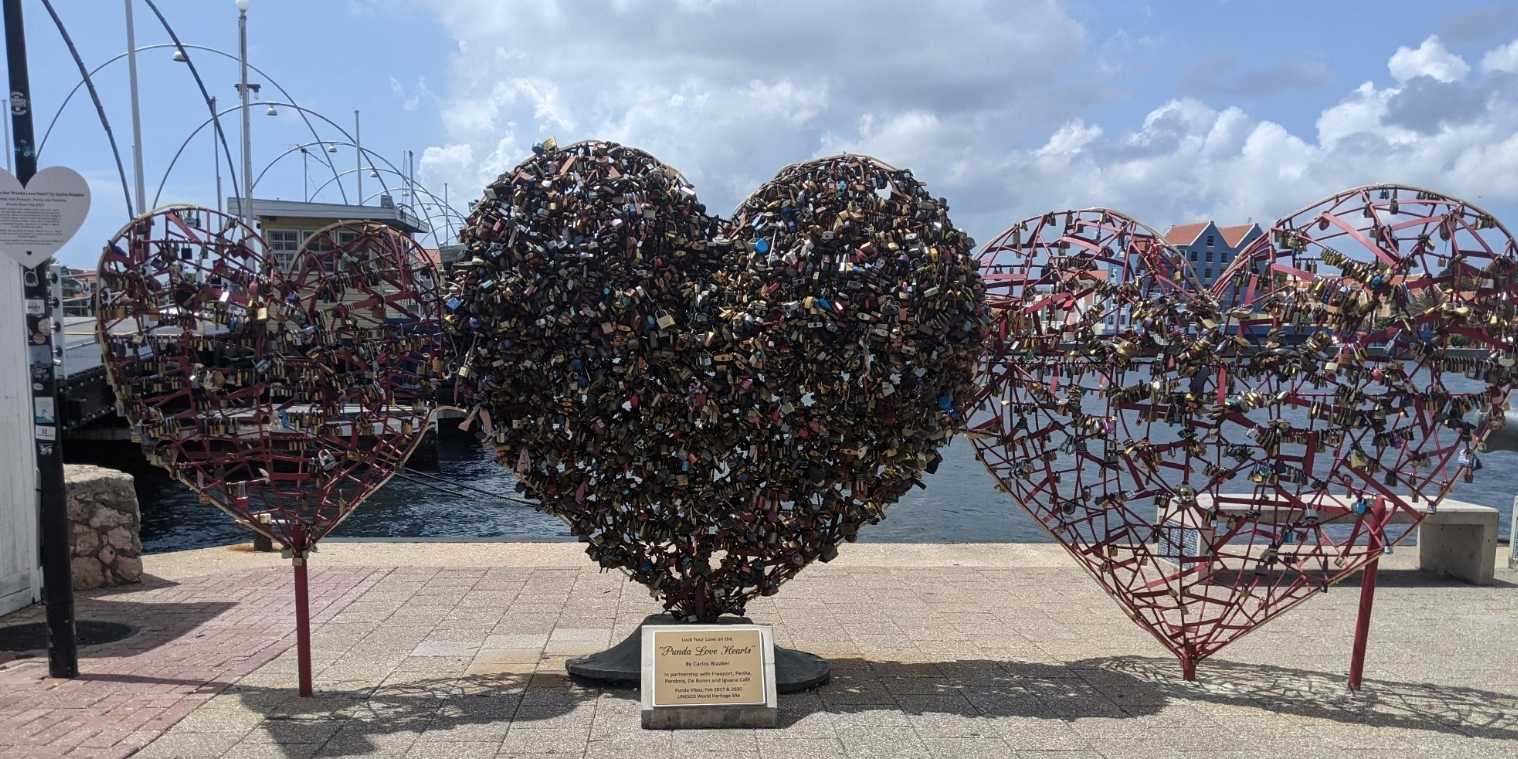
There was a sculpture in Curaçao called the Punda Love Hearts. Lovers would place a lock on one of its three hearts and throw away the key.
So many people did this that the structure collapsed.
How do the characters in your stories show love? Do they cook for their loved ones? Slay demons for them? Tend to them when they’re hurt? Say inappropriate things? Bump into furniture around them?
And do their loved ones KNOW it is love they’re trying to express?
Topics: Muse Food | Comments Off on Muse Food – Curaçao’s Punda Love Hearts And Showing Our Love
Muse Food – Lighting And Setting The Mood

As anyone in a wintery climate will tell you, lighting influences our moods.
Currently, in my part of the world, there are fewer hours of daylight. And this causes big issues like depression, increase in suicide rates, overall grumpiness.
Lighting in our stories sets the mood also.
A scene set at night, in the darkness, automatically becomes more dangerous and mysterious than a scene set at noon, under a blazing sun.
Rain and gray clouds in a scene bring with them a sense of dreariness, of sadness.
A scene set in an office, under harsh fluorescent lights, is colder, less personal.
Lighting matters.
What is the lighting in the scene you’re currently writing or reading?
Topics: Muse Food | Comments Off on Muse Food – Lighting And Setting The Mood
Muse Food – Resisting Change

It is 2026, a new year.
A rare few people embrace new or change. They look for it. They enjoy it. They adapt to it quickly.
The average person, however, doesn’t like change. At all.
They resist it.
The old might not be perfect but it is comfortable. It is known. The average person prefers it.
In our stories, many of our characters will resist change also.
They won’t leave the Shire unless they absolutely have to. And even then, they might consider turning back and returning to that comfortable, known home before their quest is over.
How are your characters resisting change?
What event (s) would push them out of their comfort zones?
Topics: Muse Food | Comments Off on Muse Food – Resisting Change
Muse Food – New Year’s Eve And Other Points In Time

Wednesday is New Year’s Eve.
It is the end of the year, of 2025.
It is also a day we, humans, invented to help us keep track and deal with passing moments, with the relentless progression of time.
It has no meaning other than the ones we give it. Yet it has become super important (and fun!) for many of us.
Do your characters have days, months, years in their worlds? Are there points in their timelines they celebrate or acknowledge?
Topics: Muse Food | Comments Off on Muse Food – New Year’s Eve And Other Points In Time