If You Want The Butterflies…

(The chicken wire ‘domes’ over these marigolds stop the squirrels from happily digging up the plants. The Mafia Squirrels do that for ‘funsies’, taking out entire rows in one session and leaving the dying plants beside their trenches so I can see their handiwork. – eye roll)
I often repeat the saying, “If you want the butterflies, you have to feed the caterpillars.”
This is true for bees also, all types of bees, and other beneficial insects.
We have to create homes and supply food sources for them.
We do a few easy things in the Sax household to help facilitate this.
We leave some leaves on the ground for bees and other insects to overwinter in.
We have some perennial plants we try not to disturb very much. This allows bees to create safe homes around these plants.
(The yellow jackets, for example, build homes around the raspberry bushes.)
We also don’t plant or dig close to fences and other structures as these are great homes for bees also.
We don’t use herbicides or pesticides (these are outlawed in Toronto).
We plant extra vegetables and allow the caterpillars to eat some of those plants (or bits of the rose bushes).
We allow the dandelions to bloom. In our part of the universe, these are usually the first flowers to appear and the bumblebees LOVE them.
We also plant a lot of other bee and butterfly-friendly flowers like marigolds, zinnias and clover.
We’re having our best bee year ever in our neighborhood and I like to think all these actions contributed a little bit toward that.
(smiles)
Topics: Gardening | Comments Off on If You Want The Butterflies…
Yard/Garden Uses For Coffee Grounds

At least once a week, the Dear Wonderful Hubby goes to coffee shops en route to wherever else he’s going and he loads up the car with coffee grounds.
These are a FREE resource and we use them in a few ways.
We use them to bank the house. This improves the gradient, which in turn, decreases the risk of our basement flooding. And coffee grounds supposedly discourage mice, squirrels and some other unwanted visitors.
We sprinkle coffee grounds over the lawn once a year (usually before several days of rain). This is a free fertilizer and it also builds up the soil a bit.
And we, of course, use coffee grounds in compost. We add it to compost bins. And we also layer it over the leaves in the Fall/Autumn as we put the garden beds to rest. The coffee grounds add nitrogen and they help to keep the leaves from blowing away.
Topics: Gardening | Comments Off on Yard/Garden Uses For Coffee Grounds
The Vegetable Garden Looks Ragged
Our vegetable garden here in the Sax household looks ragged.
A couple cool nights have yellowed leaves. Slugs have eaten some of the leaves. I replanted some of the plants the squirrels dug up. Some of those plants are surviving their traumatic experience…barely. Some of those plants didn’t survive and I haven’t yet replaced them.
This is the reality of gardens. Sometimes, often at the beginning of the growing season, they look terrible.
Those gardens on the YouTube videos and in photos?
Often they are staged. Yellow leaves have been trimmed off. Dead plants have been replaced by extras kept in greenhouses. Only the best looking plants are captured by the cameras.
Your garden WILL look ragged from time to time or maybe always. And that’s okay.
Topics: Gardening | Comments Off on The Vegetable Garden Looks Ragged
In-Ground Storage

(This is a stock photo of beets. Mine are often misshapen. – grins – They still taste great, however.)
One of the many things I love about vegetable gardening is…
The garden can serve as in-ground storage.
I can pick lettuce as I need it. I don’t need to place it in the fridge.
I don’t have to worry about herbs going bad because I can harvest them the same day I use them.
Root vegetables like radishes, carrots, beets, turnips, onions can often be left in the ground for months until we need them. No refrigeration or freezing is necessary!
The garden is truly an extension of the kitchen. And that makes me happy.
(smiles)
Topics: Gardening | Comments Off on In-Ground Storage
Fast To Harvest

(This is a stock photo. Our radishes don’t look this pretty. But they taste delicious!)
The quickest harvest we have in the Sax household is always the radish. The type we grow doesn’t care about the cold. (grins) As long as the soil is semi-thawed, they are good to go.
And we allow some to self-seed, which means they are usually the first vegetable plants to emerge. They even beat the dandelions!
So the Dear Wonderful Hubby and I are munching on radishes now.
(smiles)
Topics: Gardening | Comments Off on Fast To Harvest
Gardening And Food Insecurities

When I was a kid, we didn’t eat every day. Yes, here in Canada. We were severely poor and we were living out in the country, far away from easily accessible food banks.
As a result of that experience, I have food insecurities.
I think almost everyone who has been hungry for an entire day or more deals with this issue.
It is one of the (many) reasons I LOVE gardening season.
Whenever I get overwhelmed with food insecurities, I go outside, look at the growing plants and…I usually plant a few more seeds.
Those vegetable seeds could produce food for the future. That calms me. As does touching the soil and feeling that richness under my fingers.
Gardening gives me that serenity during these turbulent times.
(smiles)
Topics: Gardening | Comments Off on Gardening And Food Insecurities
Growing Carrots Vs Being A Lazy Gardener

I love fresh carrots. But I am also a VERY lazy gardener.
I prefer to let nature water the plants. And Spring tends to be very damp in my corner of the universe.
I planted carrots seeds in a container, watered it and placed it outdoors.
Then I forgot about it.
And it didn’t rain for almost a week.
The soil dried out. Which is a disaster for carrot germination. Carrot seeds, to germinate, should be kept moist at all times.
(forehead slap)
Thankfully, one of my Awesome Sisters gave me an extra pack of carrot seeds. So I’m resowing the carrots and putting a note in my calendar every day to water them.
Topics: Gardening | Comments Off on Growing Carrots Vs Being A Lazy Gardener
If You Want The Butterflies…

This massive caterpillar munched his way through half of a taller-than-me mini tomato plant. I hope to see more Laurel Sphinx moths this year due to our hosting of him.
(smiles)
One of the things I often say to fellow gardeners is “If you want the butterflies, you have to feed the caterpillars.”
Caterpillars nibble on the leaves of our plants. They make the roses in our front yard, for example, look a bit ragged. They don’t kill the rose plants (the birds and yellowjackets ensure their population doesn’t become large enough to do that) but the plants aren’t the prettiest.
And the Dear Wonderful Hubby and I are okay with that.
Because we love butterflies. And hosting caterpillars is the best way to ensure we have butterflies.
This is true of many things in life. To achieve a wonderful result, we have to deal with the ugly, the hard, the strenuous.
To have a published book, we need to write every single word. To have friends, we have to interact with people. Often. To be have a trash-free neighborhood, we have to pick up the trash.
Dream of the world you want.
Then do that hard work, the ugly work to make that dream a reality.
You can do this!
Topics: Cyn-Sights, Gardening | Comments Off on If You Want The Butterflies…
Gardening Failures Are To Be Expected
We watch a gardening video. We duplicate the steps exactly.
The seeds don’t germinate. Or they germinate and days later, the plants die. Or the plants die for some other reason.
What did we do wrong?
It is likely nothing we did.
We will never have the exact same garden as the person on the video.
Because every piece of land, every bit of soil is unique.
The Dear Wonderful Hubby and I have different soil in the back yard than we do in the front yard. Stars. We have different soil in the north side of our tiny back yard than we have in the south side of the same back yard!
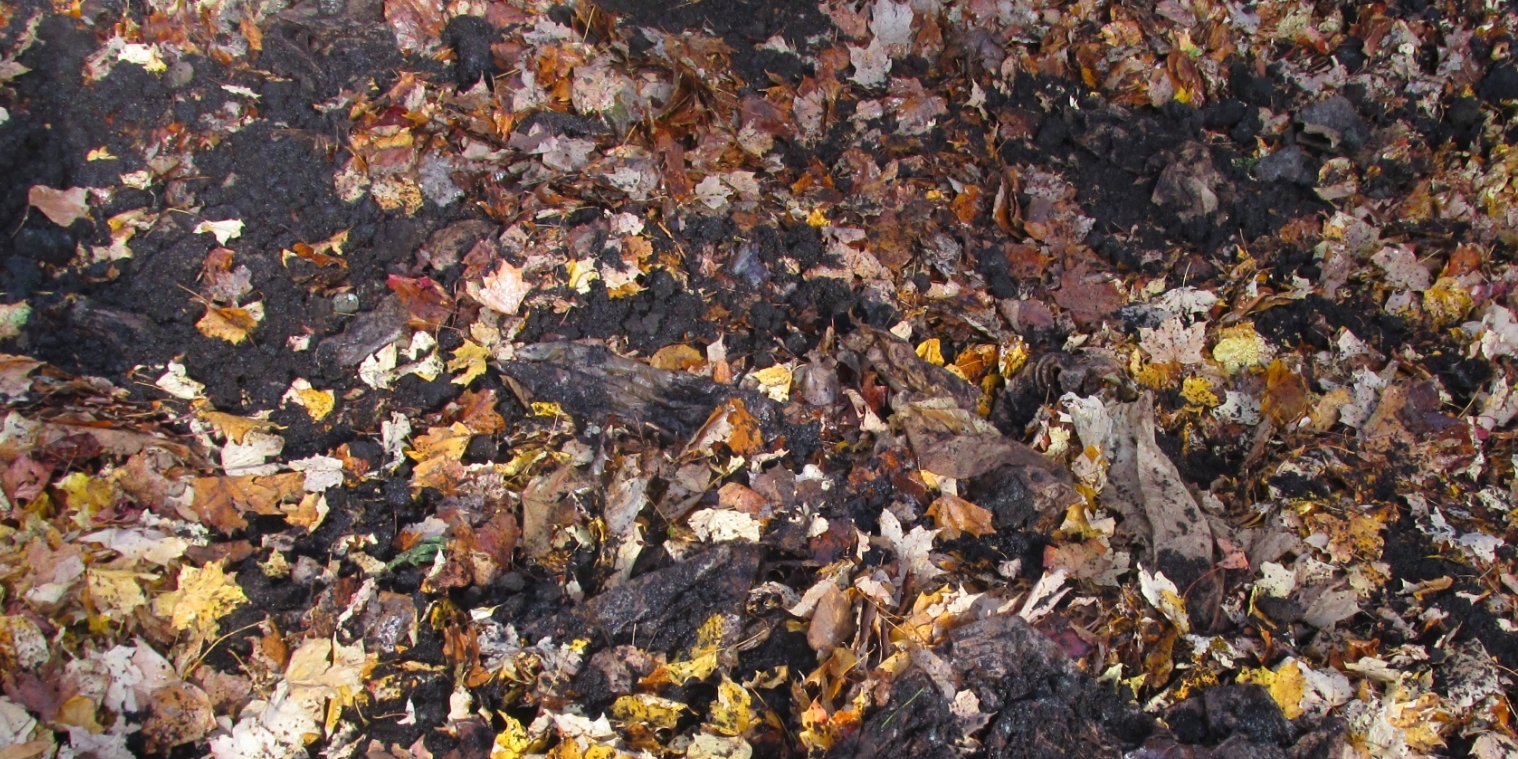
One of the many reasons it is different is because we have a giant horse chestnut tree that has dropped its leaves on the north side for the last twenty or more years. And the north side gets more sun. And it is a bit windier on the north side. And…And…And…
All those factors make a difference in growing plants.
Which is one of the reasons why it often takes years to figure out what grows well and how it grows well in our little plots of land.
(And every bag of soil purchased has variability also because it is ‘harvested’ from different land.)
Gardening is trial and error. In the beginning of our gardening journeys, there will likely be more failures than successes. Over time, as we build on our successes, we’ll become experts at growing things in our spaces. And the successes will far outweigh the failures.
WE will become the gardeners other people envy and try to duplicate.
And THEIR gardens will never mirror ours. Because our soil, our land is unique.
(smiles)
Topics: Gardening | Comments Off on Gardening Failures Are To Be Expected
Moving Plants Outdoors
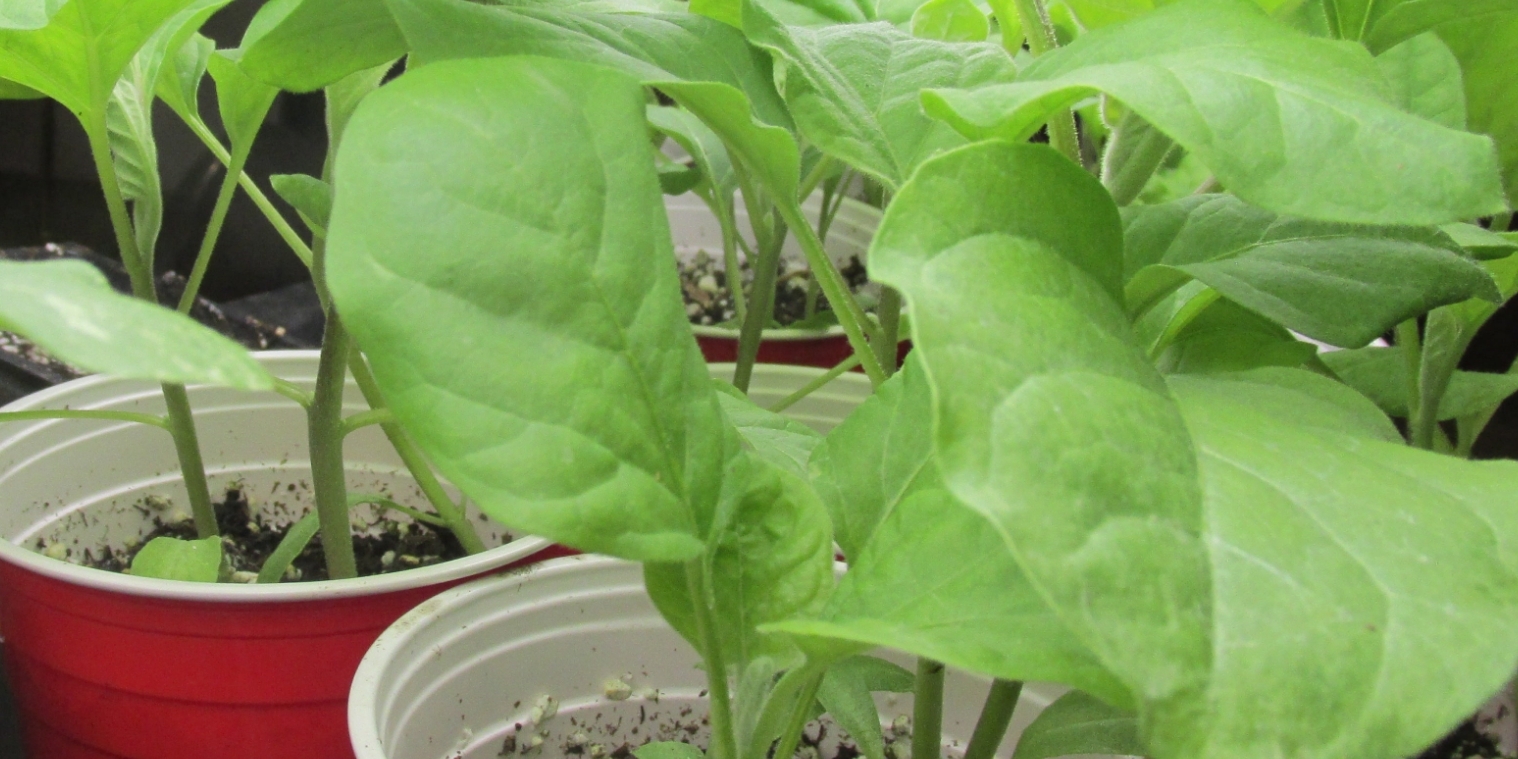
The last frost date in my corner of the universe is May 10th. Daily low temperatures are above 5C/41F for at least the next 14 days, according to the forecasts (which are still reliable here in Canada).
We’ll be moving the tomato plants, bell pepper plants, eggplant plants, marigold plants and zinnia plants outdoors. (The squash/zucchinis/courgettes will likely wait for a little bit.)
Every expert gardener will tell you to bring the plants outdoors for short durations to slowly acclimatize them to the sun, the wind, the temperatures. If you don’t do this, you risk transplant shock and could possibly kill your seedlings.
I’m extremely lazy and I usually take the risk. We transplant on a rainy day, preferably the start of a series of rainy days. We have spare plants just in case. And we hope for the best.
(knock on wood)
Topics: Gardening | Comments Off on Moving Plants Outdoors