Expect To Share The Harvest
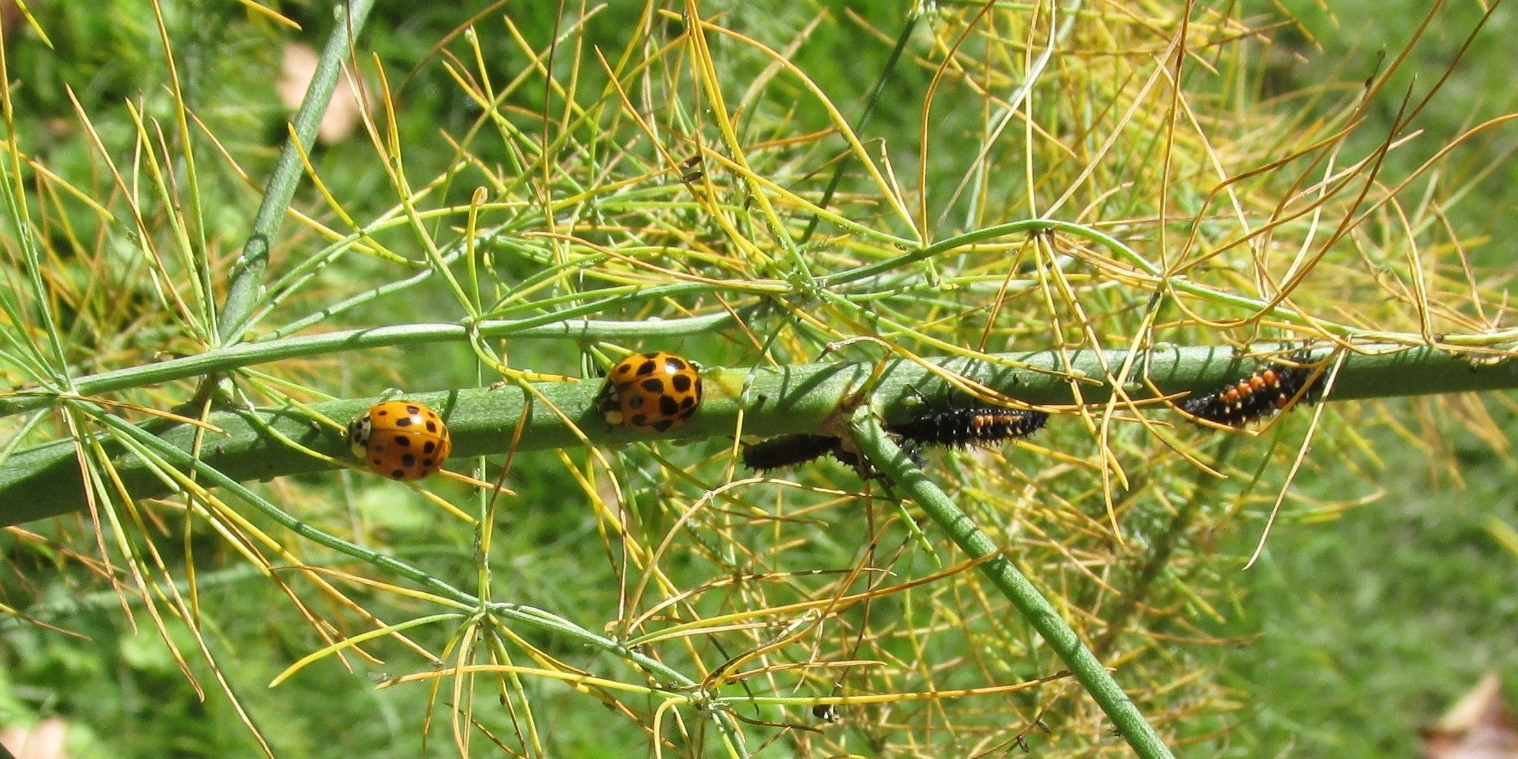
It has been a challenging year…for every being, including insects and other little critters.
There has been fire and drought and floods and unstable temperatures and weather.
Insects and other creatures in the Northern Hemisphere know winter is coming. They worry, like us humans, that it will be challenging one.
So expect some of your harvest to be stolen or devoured or claimed as a winter home.
This is part of gardening and part of sharing this wonderful world with other lifeforms.
(smiles)
Topics: Gardening | Comments Off on Expect To Share The Harvest
Plant Salad Greens
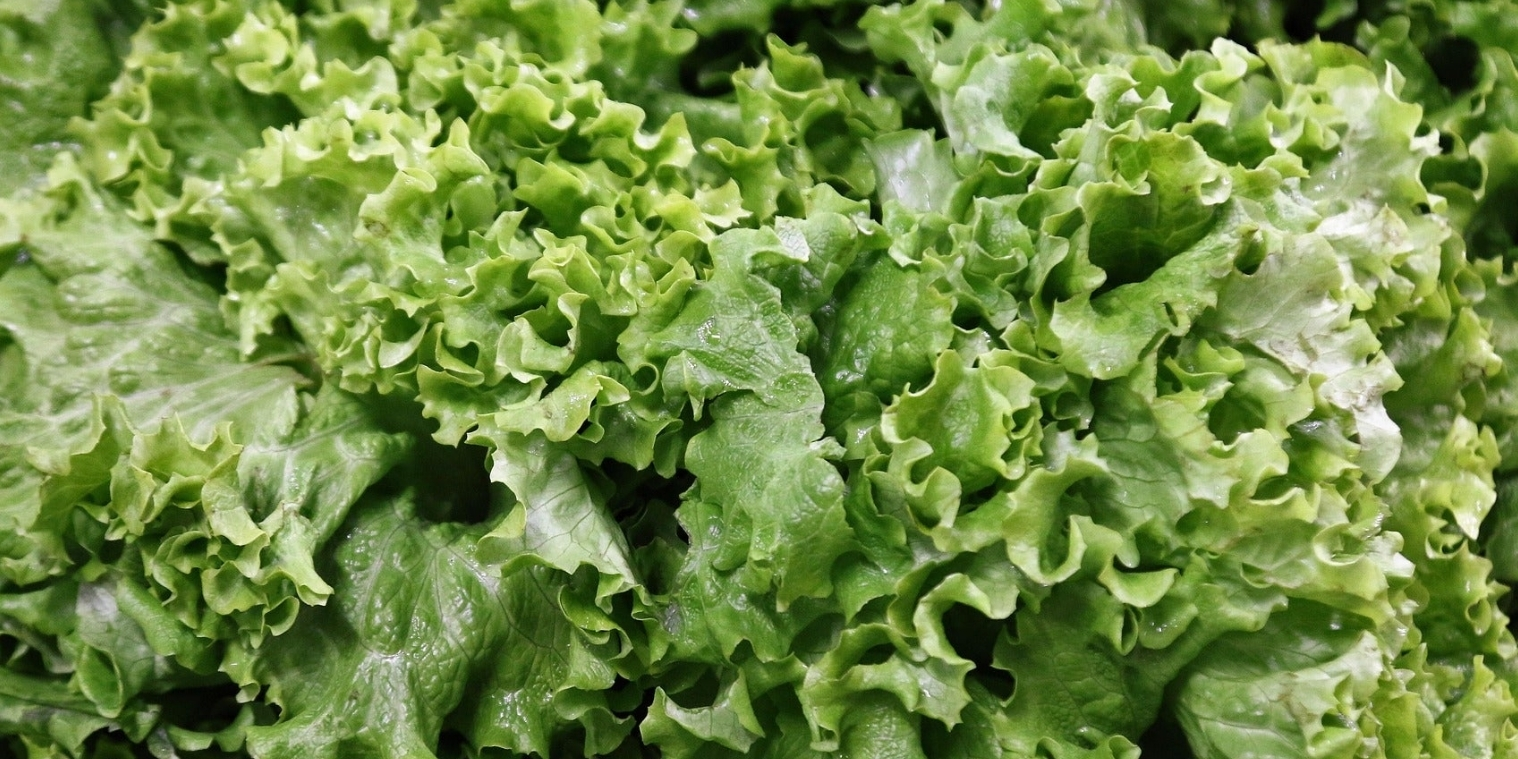
It is not too late in many areas (including mine up here in Toronto, Canada) to plant another round of salad greens, specifically lettuce. Lettuce also loves the cooler temperatures so it should do well.
With all the salad green related outbreaks this year, growing our own is especially useful.
We know we’re not spreading feces over our garden beds. At least, I hope we know that. (big eyes) And we know we’re washing those already cleaner greens when we harvest them. We have more control over what we’re eating.
I suspect this will become more and more important as the world around us changes.
Topics: Gardening | Comments Off on Plant Salad Greens
Growing Grapes And Being The Best
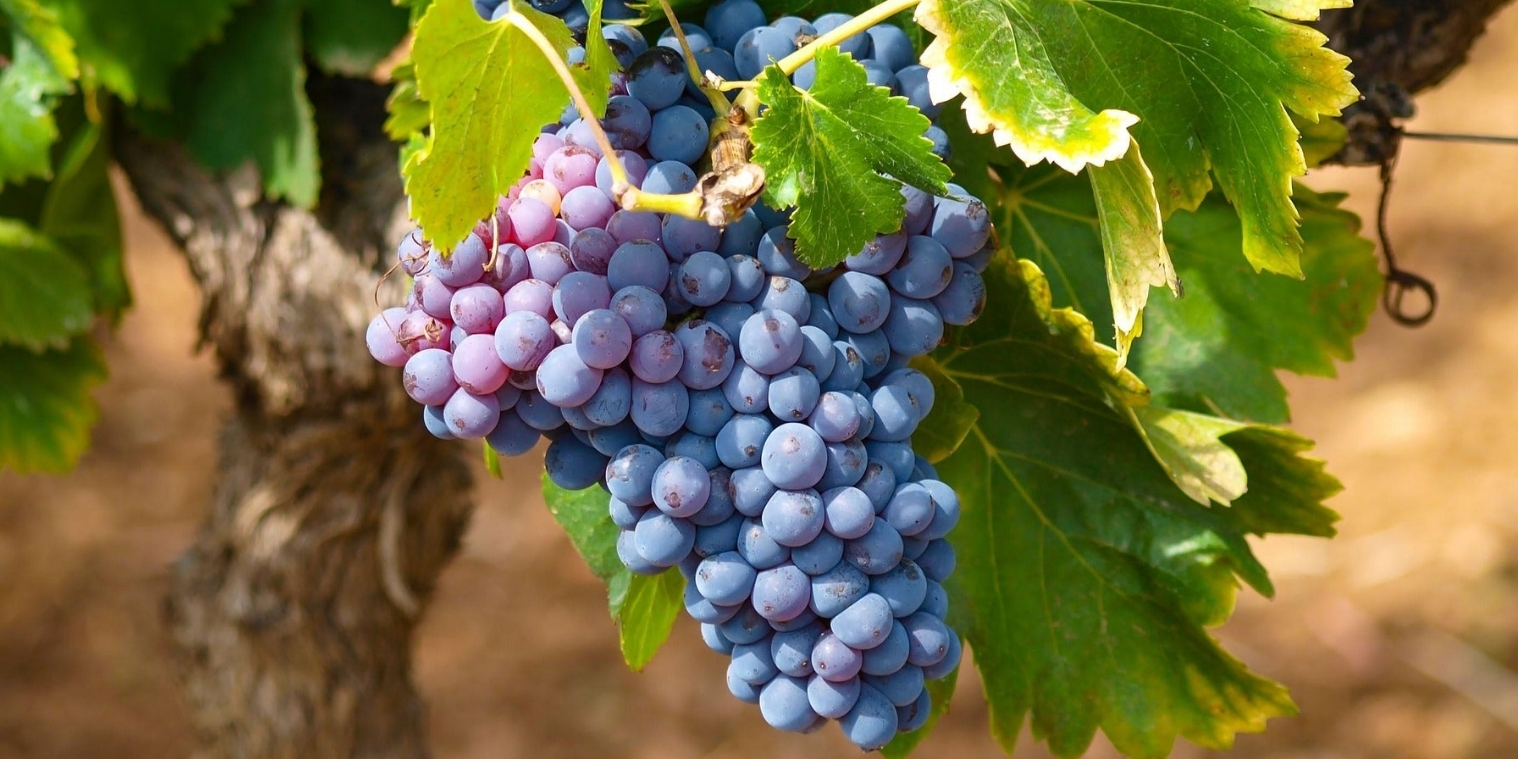
The Dear Wonderful Hubby and I added grapes to the garden this year.
The Dear Wonderful Hubby has always wanted to grow them so we’re making that dream come true. (smiles)
There are a lot of guidelines and ‘rules’ around growing grapes. The grower must have a certain trellis. They must prune the vines a certain way. They must protect the grape plants from the cold or the heat or drought or too much rain or…
These rules were off-putting and they were why we delayed getting grapes for so long.
But then I watched a video in which the gardener said he basically allowed his grapes to run a bit wild. He said he grows them to have a few grapes to eat and doesn’t mind if they have variable flavor and/or sweetness.
This changed everything.
The Dear Wonderful Hubby and I also don’t care if our grapes have variable flavor and/or sweetness.
We’re not growing these grapes for wine.
We’re growing them for eating (eventually. It will be years before we get any grapes to do this.). Maybe if we have a lot of grapes, we might juice some, make a glass of grape juice for the Dear Wonderful Hubby.
We realized we didn’t need to be ‘perfect’ at growing grapes. We could merely do what we reasonably do
Being the best isn’t necessary. This applies to almost every field but especially gardening.
We do what we can reasonably do.
And we try to have some fun while doing it.
(smiles)
Topics: Gardening | Comments Off on Growing Grapes And Being The Best
Sharing The Harvest
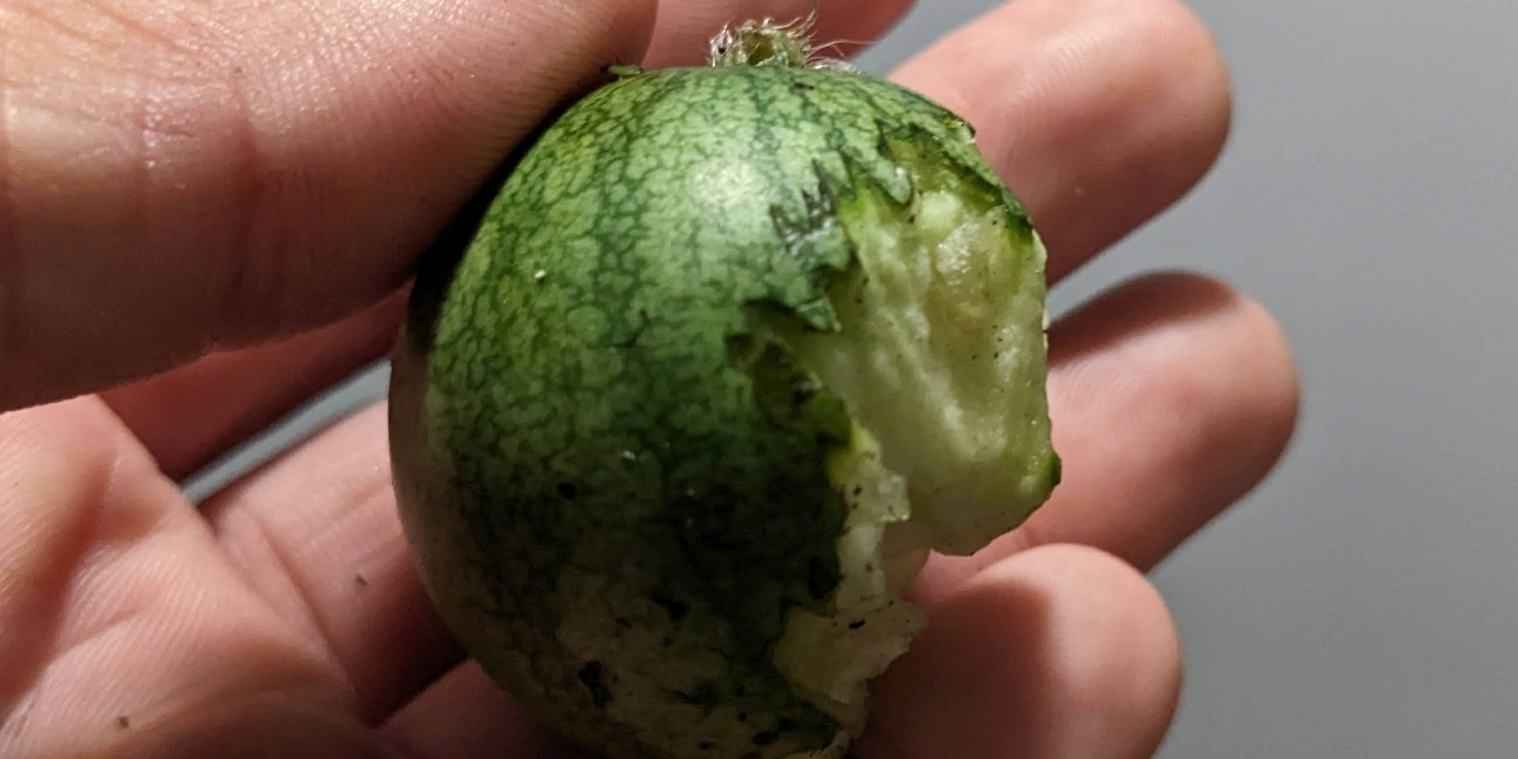
We’ve been picking tomatoes and beans and cucumbers and other offerings from the plants.
Some offerings have been accepted by the Mafia Squirrels, birds, insects and other creatures.
And that’s okay. It is their backyard also. They don’t have the access to grocery stores like we do.
And the Dear Wonderful Hubby and I ensure we plant enough to be able to share.
(smiles)
We’re part of nature. We’re not competing against it.
Topics: Gardening | Comments Off on Sharing The Harvest
Harvest Early. Harvest Often
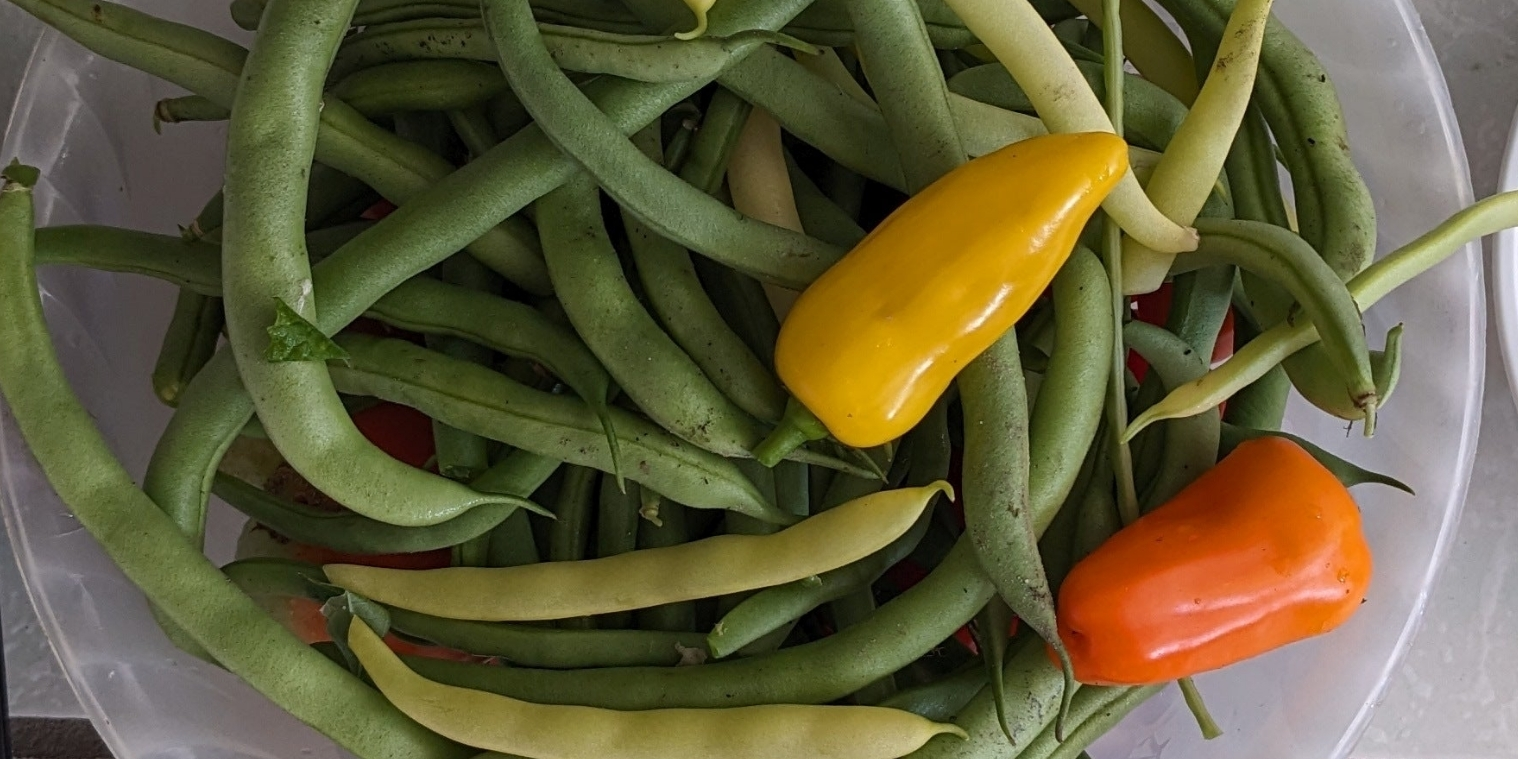
One of a plant’s primary goals is to reproduce.
When we harvest early, picking fruit and vegetables when they’re edible but before they can produce mature seeds, many plants, like zucchini/courgettes, beans, tomatoes, hurry to produce more fruits and vegetables.
We often get a bigger harvest!
And that harvest is spaced out a bit. So we can better enjoy and/or preserve it!
(smiles)
Topics: Gardening | Comments Off on Harvest Early. Harvest Often
Plant More Seeds
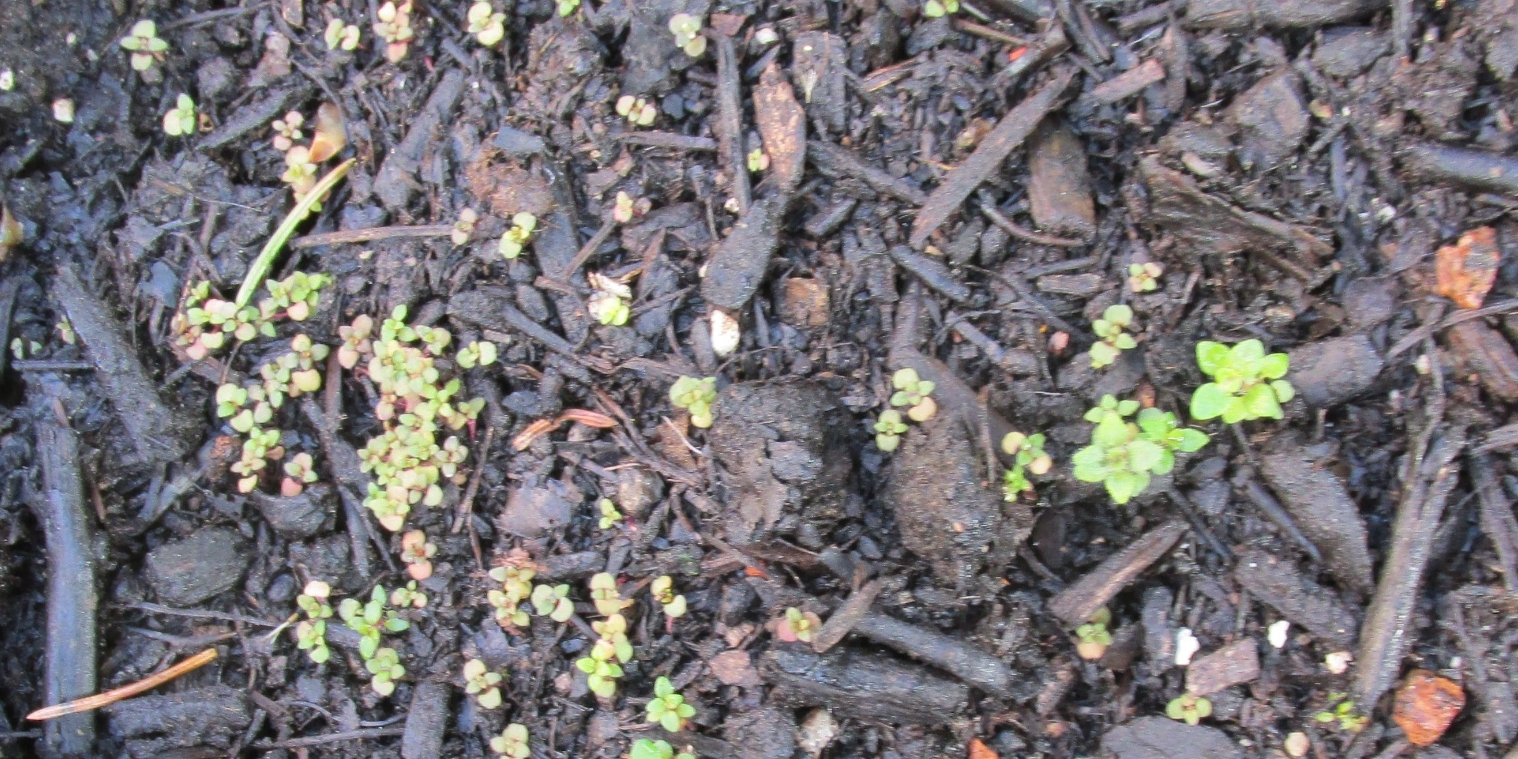
I know. I know. You’re all gardened out. You want to start packing the garden up for the year.
It’s too early for that, my friends.
(smiles)
There’s still time to plant seeds, even in Canada, to get an additional harvest from fast growing vegetables like radish, bok choy and lettuce.
And these plants will keep the soil covered. Planting them will benefit your garden next year.
Let’s go!
Topics: Gardening | Comments Off on Plant More Seeds
Favorite Gardening Terms
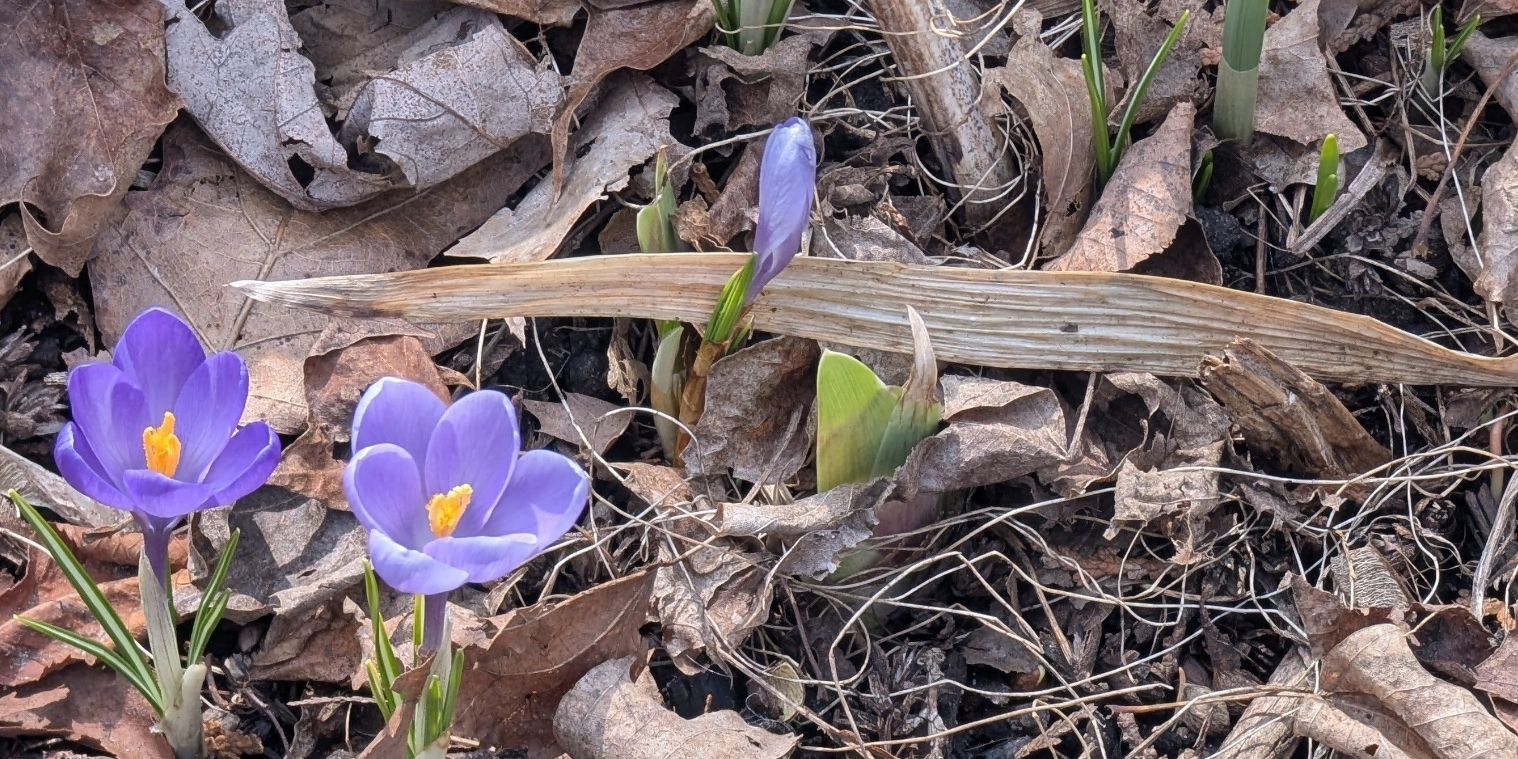
This year, the Dear Wonderful Hubby learned the term
tickling the roots
and he was utterly enchanted. Every time, we transplant something, he reminds me to ‘tickle the roots.’
(grins)
Tickling the roots is when gardeners gently agitate the roots of a root bound plant before transplanting it. It supposedly ‘tells’ the plant that it is in a new place and they should send out roots to explore it.
My favorite gardening term is
volunteers.
This is when a much wanted plant grows in a place we didn’t plant it (often around where last season’s parent plant went to seed). They are ‘volunteering’ for gardening service, which I think is such a happy phrase.
(smiles)
What is your favorite gardening term?
Topics: Gardening | Comments Off on Favorite Gardening Terms
Attending Gardening Events
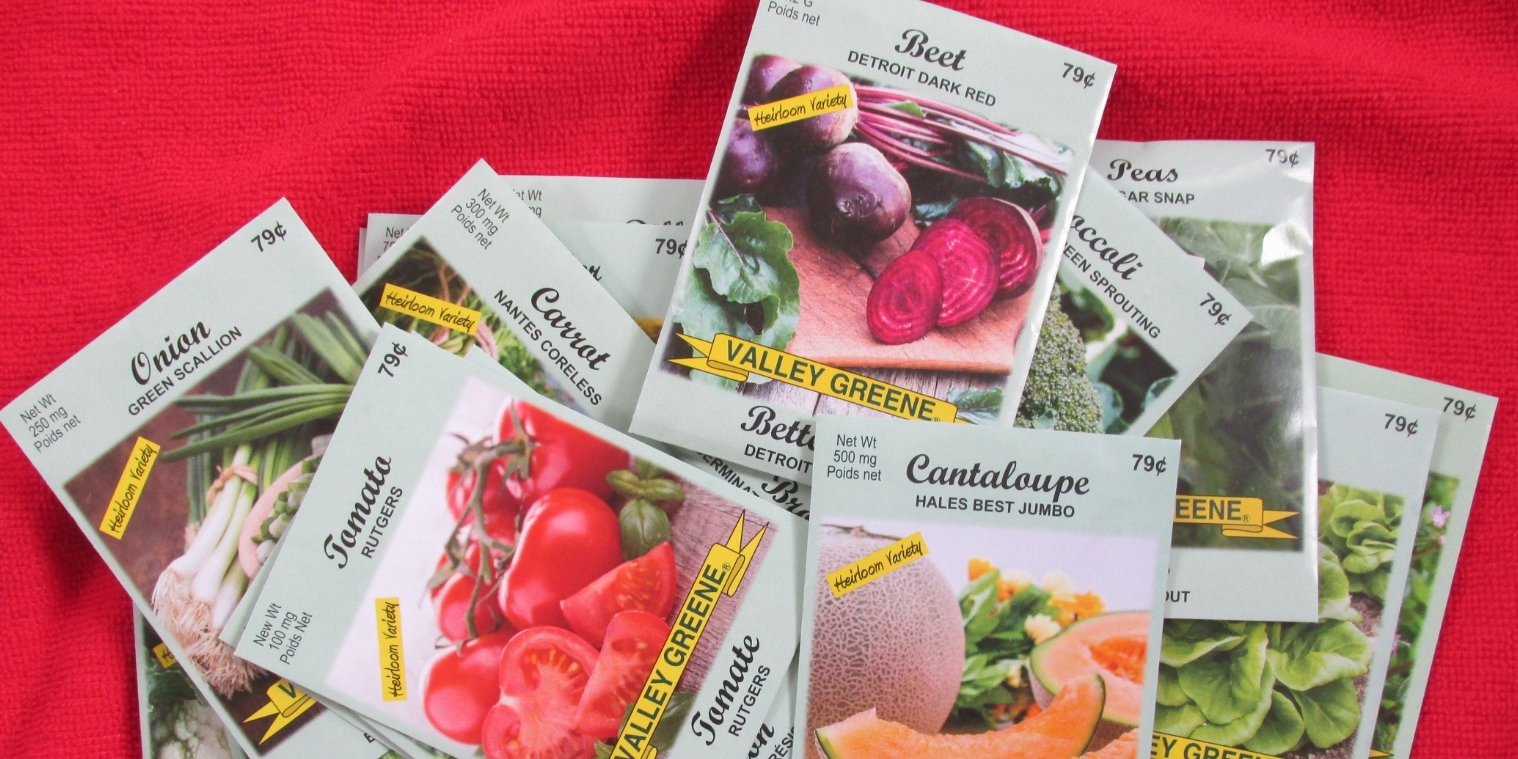
Gardeners wake up early.
We kind of have to do that. Because, in a slug-infested area, early morning, right before the sun’s rays hit the plants, is the absolute best time for general watering.
I also do an early morning garden patrol to ensure critters haven’t dug up plants during the evening, night or early morning. If they have, I stick the plants back in the ground and these plants MIGHT survive.
Many gardeners also like to care for their plants before they trek off to day jobs. Tasks get completed and we have a few moments of Zen in the morning.
So if you’re attending gardening events, say a plant sale or seed swap, know that most of the gardeners will be there super early in the event’s time frame. That’s when you’ll have the best choice and it is when you’ll meet the most people.
(smiles)
Topics: Gardening | Comments Off on Attending Gardening Events
Gardening – Make It Sow…Again
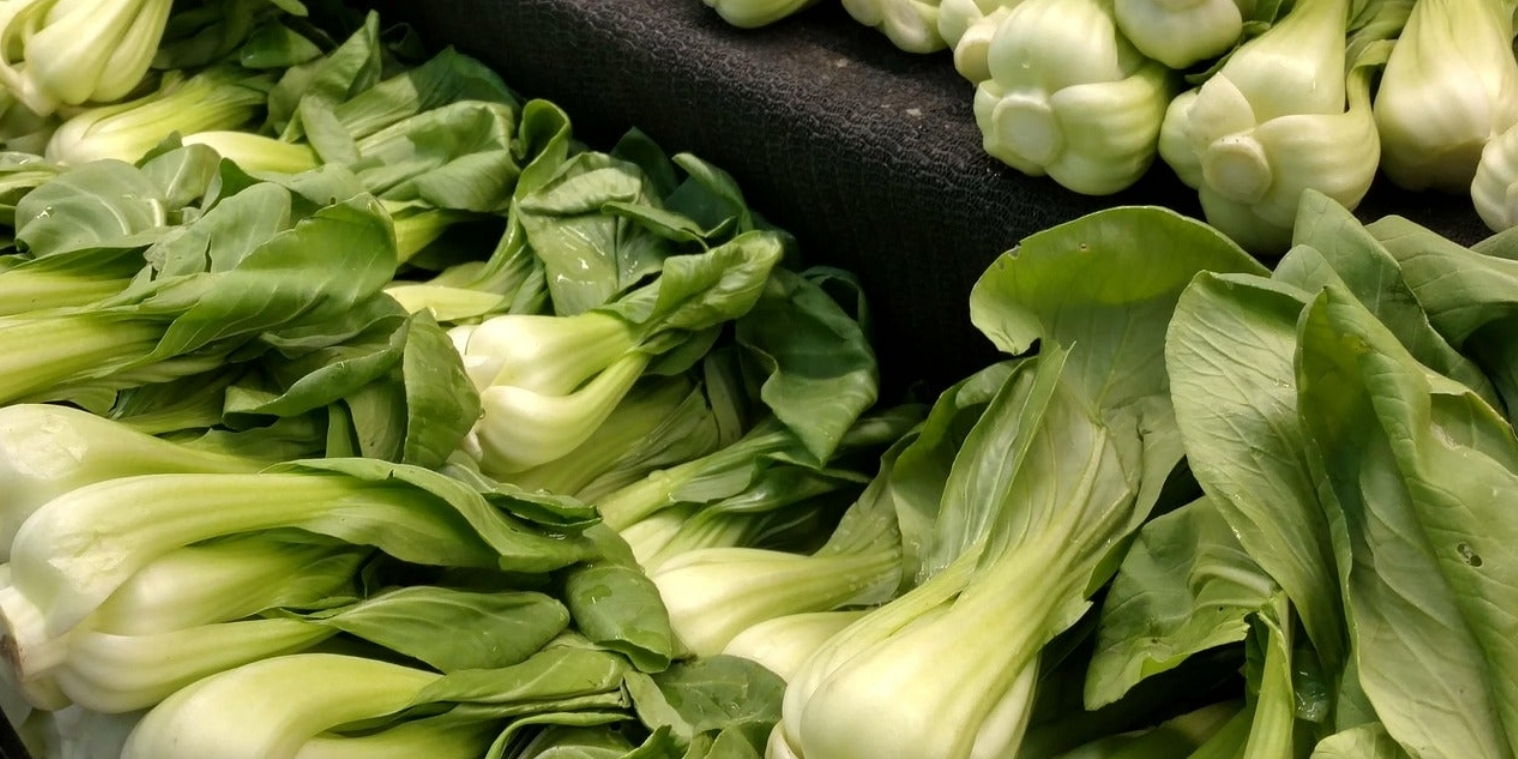
It is well over the midway point of the gardening season in North America.
Some crops are being harvested. The Dear Wonderful Hubby and I, for example, harvested the broad/fava beans this week. That bit of the garden is now open for another planting.
And we DO have time for another planting.
We can’t overwinter crops like kale and other cold hardy vegetables, which would be ideal for the second planting. We receive too much snow for that awesome strategy.
But we can sow seeds for fast growing vegetables like lettuce or pak/bok choi or chinese/napa cabbage.
And that is exactly what we’re doing. We’re flipping the bed and hope to get one more harvest.
(smiles)
Topics: Gardening | Comments Off on Gardening – Make It Sow…Again
Gardening And When Are Perennials Perennial
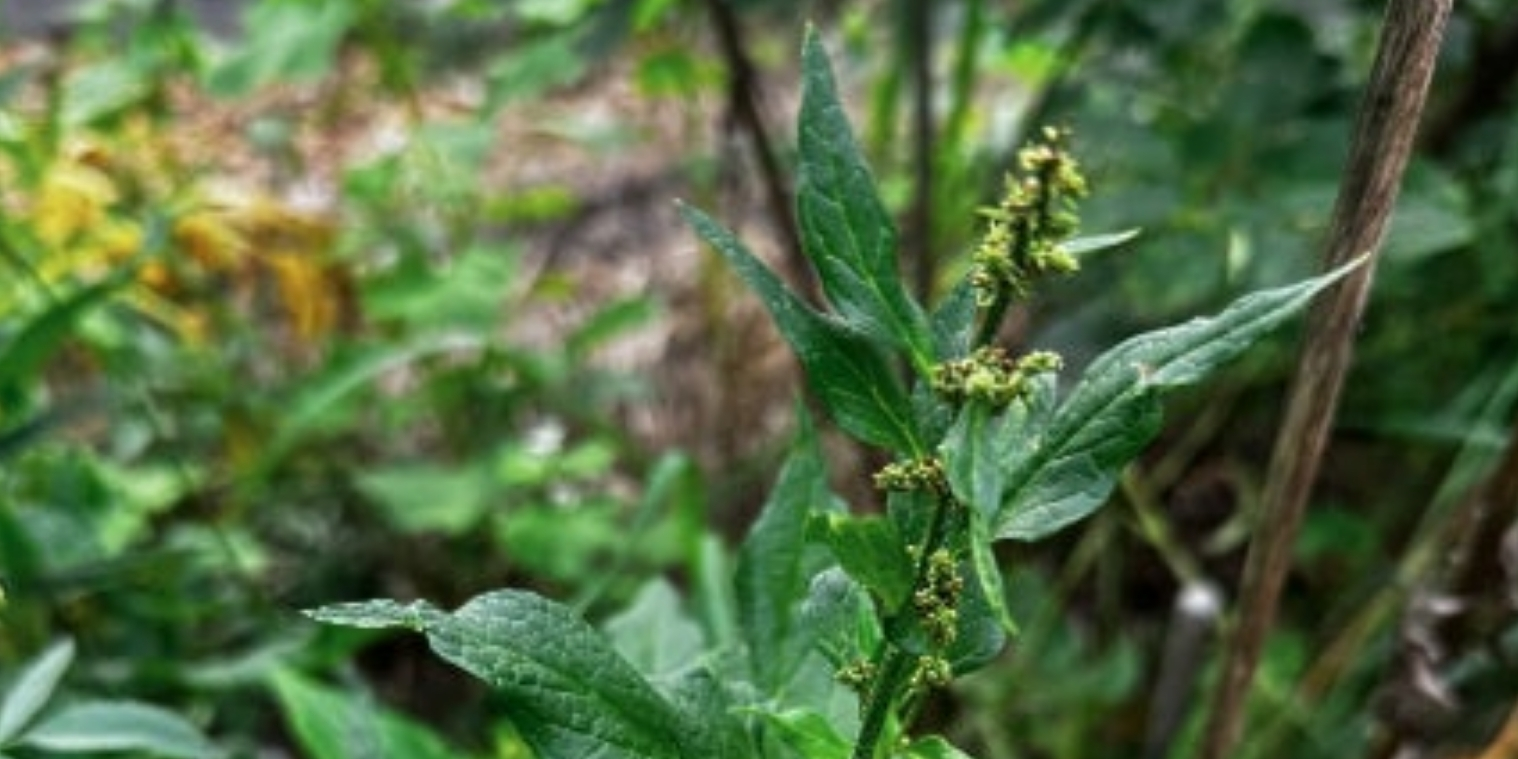
I haven’t given you an update on the lovage, French sorrel, good king henry and other new perennial additions to the Dear Wonderful Hubby’s and my garden because…
Well… I never know if a perennial has truly taken, becoming perennial until it has survived a Canadian Winter.
Just about any plant, including annuals, do well during a Canadian Summer. It is the Winter that is the true test if a perennial has taken or not.
So yes, the new perennials look like they are doing well. (knock on wood) But I’ll only know if they are truly doing well once Spring 2027 hits.
Topics: Gardening | Comments Off on Gardening And When Are Perennials Perennial