Muse Food – Low And Slow
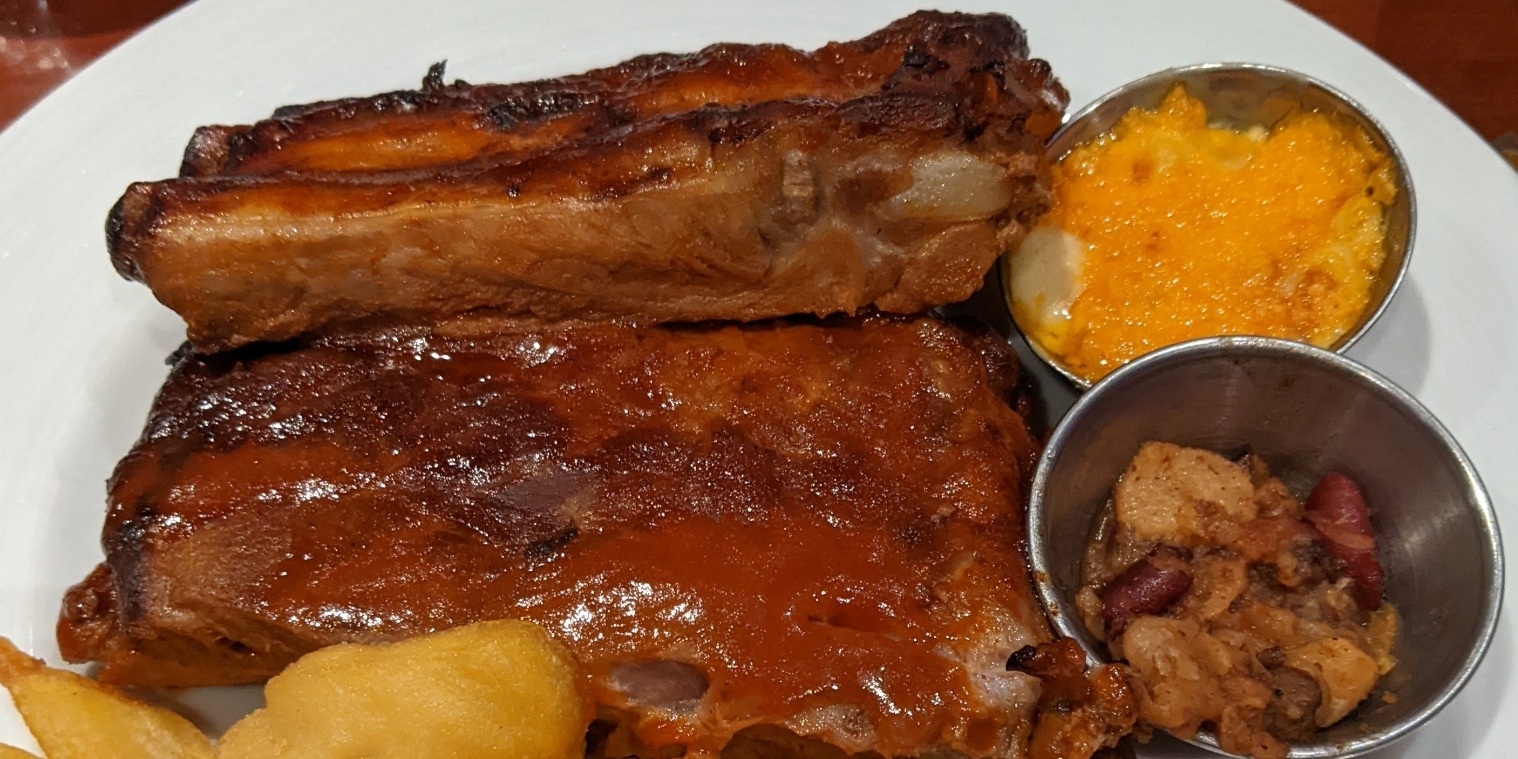
The Dear Wonderful Hubby believes in the cook ’em low and slow method of making ribs. He’ll cook them forever at a lower temperature. He says that improves the taste.
One of the joys of self publishing is…
We, writers, set our own word counts. We decide how long a series or serial is – how many installments are in a series/serial and how many words are in each installment/story.
We can tell a story low and slow if we want to do that, if that serves the story.
We want our readers to be entertained, to be turning pages, so there has to be some action, some conflict, some emotion on each page.
But we don’t have to rush through a story arc.
We can take our time and tell our stories the way WE want to tell them.
Topics: Muse Food | Comments Off on Muse Food – Low And Slow
Muse Food – Reflections In The Water (Or Mirror)

A character looking at their reflection can be a powerful (and fun) plot device.
They look in the mirror
and they see an older version of themselves with some extremely deep scars
or a monster reaching out to them
or a vision of something that hasn’t yet happened
or a loved one who has been long dead
or…
The possibilities are endless.
(grins)
Have fun with it!
Topics: Muse Food | Comments Off on Muse Food – Reflections In The Water (Or Mirror)
Muse Food – Fairy Houses And Other World Building Hints
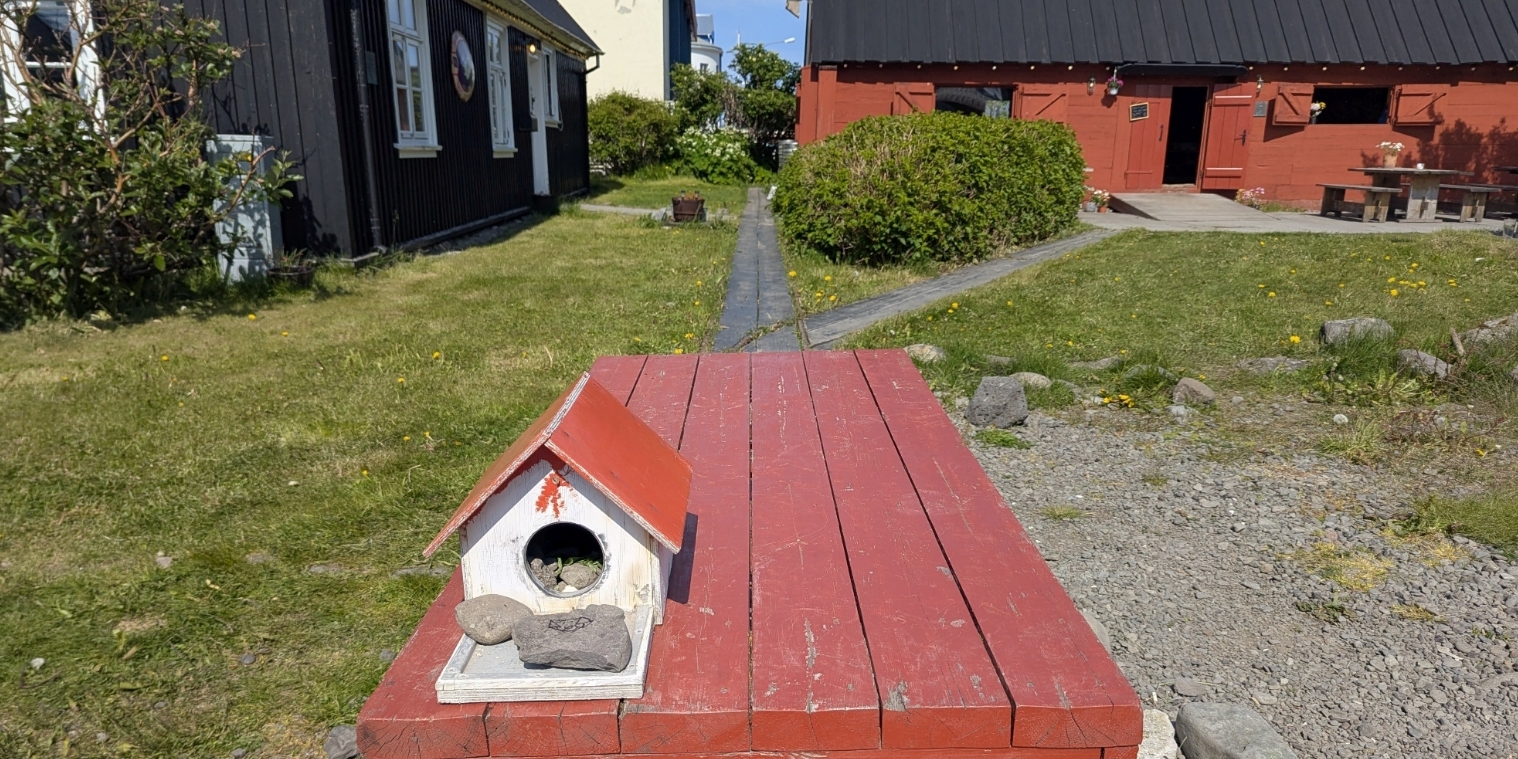
When the Dear Wonderful Hubby and I visited Iceland, we were fascinated by the fairy houses, tiny homes crafted by humans for the hidden folk.
In a story, structures like that would be a strong hint we weren’t in a purely human world. It is a hint of magic, of the paranormal, of the unknown.
And hints like these are powerful in storytelling and for worldbuilding.
Because a much beloved story technique is to, at first, make a world seem like the reader’s world here in present day Earth. That is comfortable. It is relatable. The reader can focus on the characters.
Then we slowly introduce the unusual world-specific elements, pushing the reader out of their comfort zones.
Little hints such as fairy houses or a clockwork-like clicking sound deep in a forest or upside down rain are great ways to start this transition.
Topics: Iceland, Muse Food, Travel | Comments Off on Muse Food – Fairy Houses And Other World Building Hints
Muse Food – A Safe Place To Land
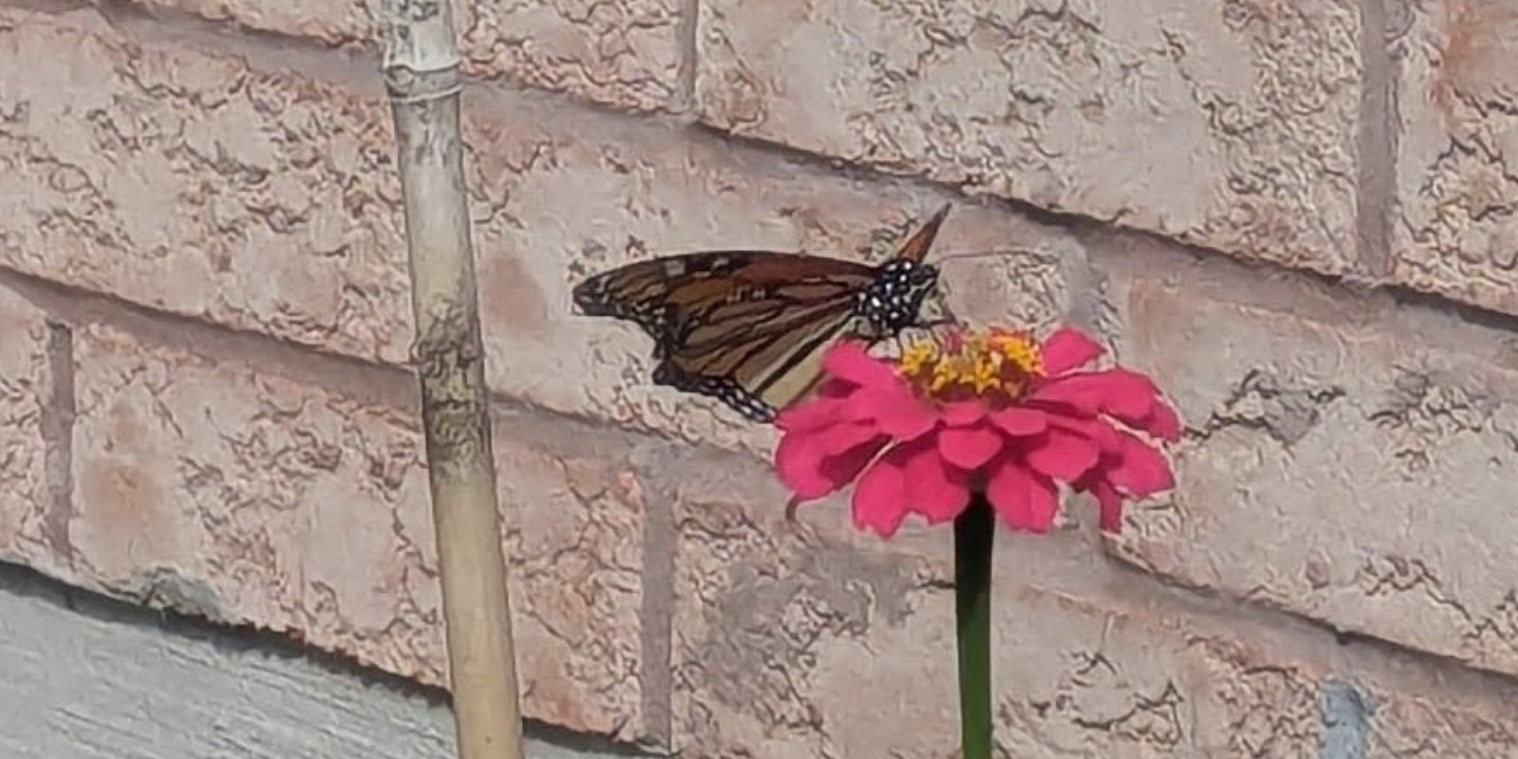
During the summer, I’d often find butterflies (like this Monarch) and bees resting on the zinnia flowers. Those flowers are fairly large, they have plenty of smaller petals to burrow into or hold onto, they are in the sun, they have a lot of pollen (i.e. snacks) and they feel…safe.
Does the main character in your story have a safe place? WHY is that their safe place? And what would happen if that safe place was taken away from them?
Topics: Muse Food | Comments Off on Muse Food – A Safe Place To Land
Muse Food – Waterfalls And World Systems
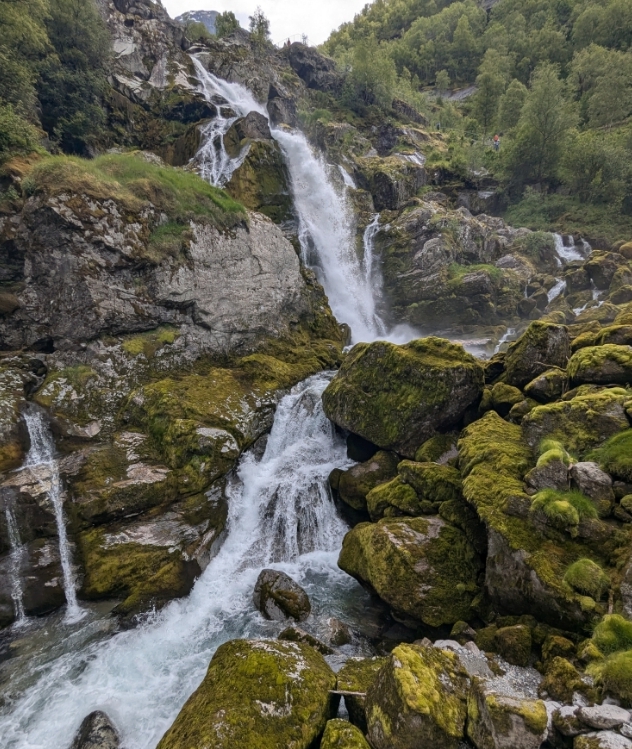
Every planet, every civilization, every home runs on systems.
(And yes, a waterfall is part of a system, the planet’s magnificent water system.)
I think of systems as flows. The water from a melting glacier flows into a river. A new law flows from the political system to the communication system to the legal system. A story flows from an idea to a scene.
What are the systems in your story’s world?
Topics: Muse Food | Comments Off on Muse Food – Waterfalls And World Systems
Muse Food – The Size Of The Wake

The Dear Wonderful Hubby took this great photo at the bum of a ship.
The ship was huge. It left a huge wake.
If the ship was smaller, it would likely have left a smaller wake (things like speed are factors also, however).
That’s true of developments in our stories also. A big development in our story leads to a big reaction by our characters. A small development would lead to a smaller reaction.
Ensure you match the size of the reaction to the size of the development.
Topics: Muse Food | Comments Off on Muse Food – The Size Of The Wake
Muse Food – The Floors At Sheikh Zayed Grand Mosque And What Characters Are Standing On
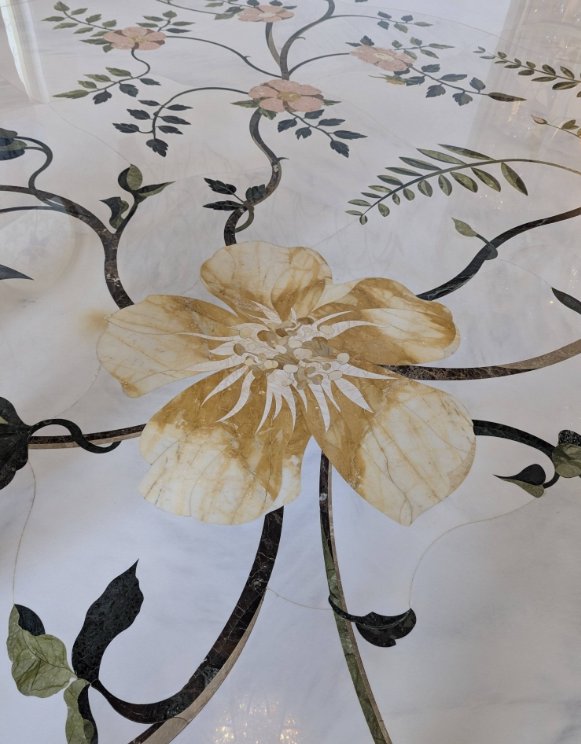
This is a tiny bit of a gorgeous tiled floor at Sheikh Zayed Grand Mosque in Abu Dhabi.
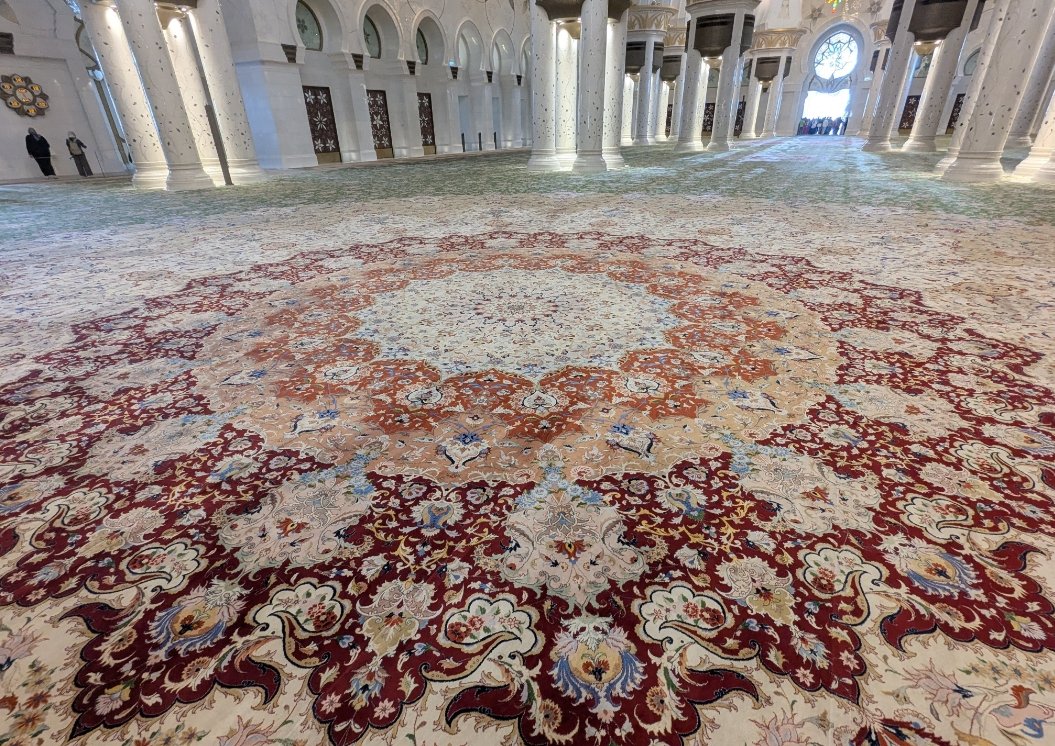
And this is a view of some of the carpet inside the Mosque. (It is the world’s largest hand-knotted carpet and is absolutely exquisite.)
Two different flooring types. Two different experiences. Two different settings.
What your characters are standing on can be super important. It is part of setting and it could be part of plot. It is easier to be stealthy, for example, when your heroine is walking on thick, lush moss rather than a twig-strewn, dried-leaf-covered forest floor.
Remember to ‘look down.’
(smiles)
Topics: Abu Dhabi, Muse Food, Travel | Comments Off on Muse Food – The Floors At Sheikh Zayed Grand Mosque And What Characters Are Standing On
Muse Food – Ledaal, Norway And Introducing Characters
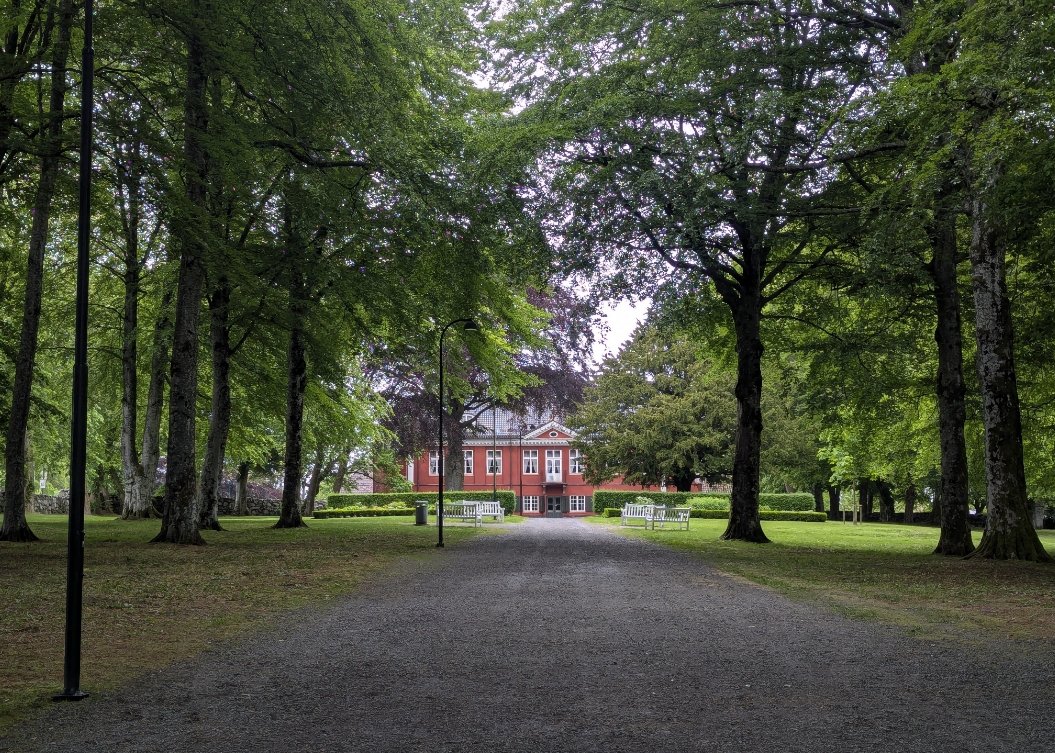
Our first sight of Ledaal, a magnificent historical Royal home in Stavanger, Norway took our breaths away.
The long pathway, the framing of the trees, the gates (not shown in the photo), all of it was carefully designed to do exactly that. It wasn’t accidental. It was orchestrated to relay awe and wonder.
We, writers, should be as deliberate and careful when we introduce heroes and heroines and other key characters in our stories. First impressions are lasting impressions. And this is as true on the page as it is in real life.
How do you want your characters to be perceived?
Ensure a reader’s first meeting with them reflects that.
Topics: Muse Food | Comments Off on Muse Food – Ledaal, Norway And Introducing Characters
Muse Food – Sunrises And Sunsets And Other Transitions

Transitions often add interest to a story. A Regency heroine steps into a crowded ballroom. A cyborg hero lands his ship on an alien-to-him planet.
Day turns to night. Or night turns to day.
These transitions are an indication of change. Something new, something different, something exciting will happen. We, readers, pay more attention. We read a little faster.
Sunrises and sunsets can be powerful times in our stories. Consider setting an important scene during them.
Topics: Muse Food | Comments Off on Muse Food – Sunrises And Sunsets And Other Transitions
Muse Food – Feathers, Rocks And Contrast
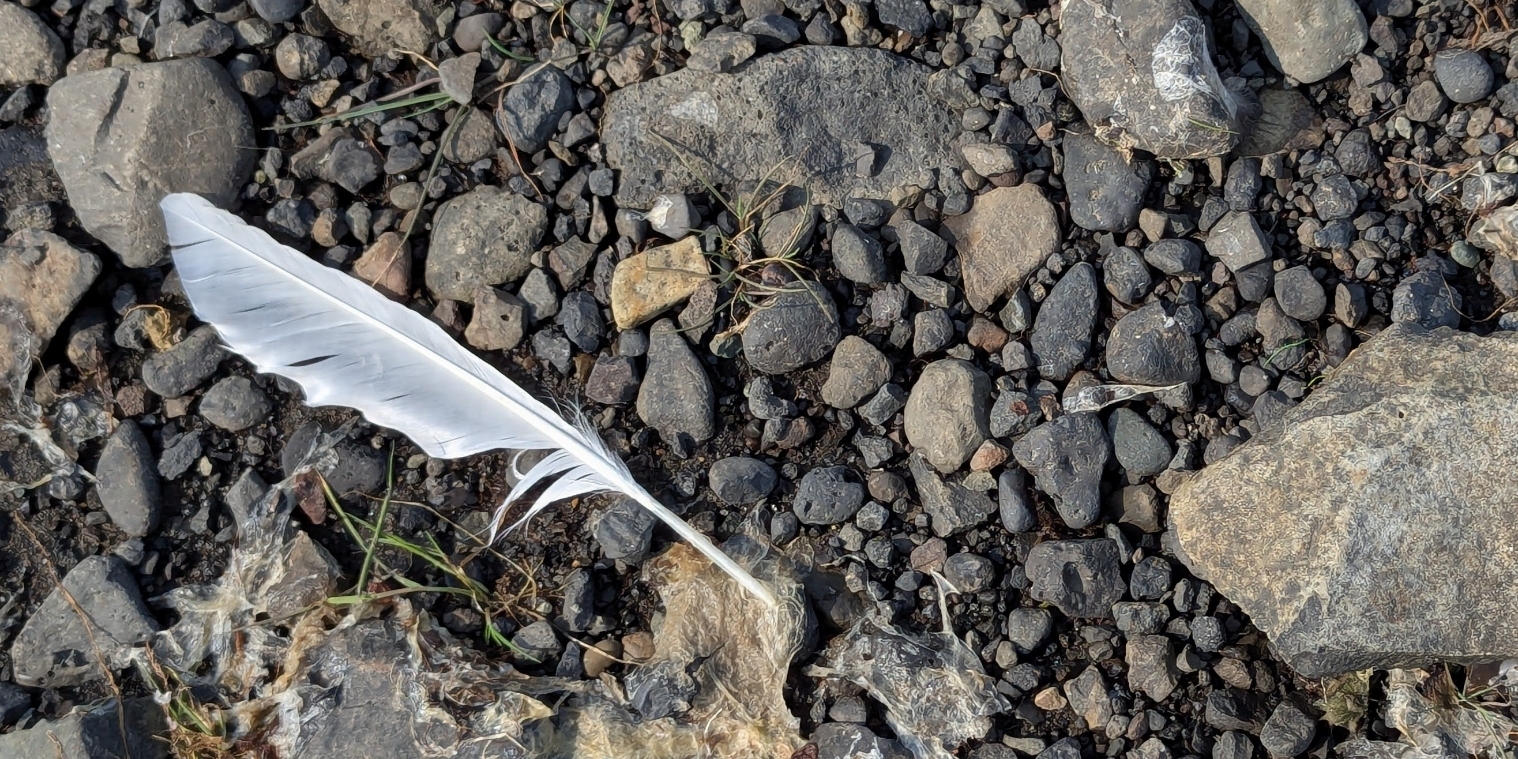
The Dear Wonderful Hubby and I spotted this feather while we were trekking around Iceland.
The contrasts drew our gazes – the white against the dark, the softness of the feather against the hard, hard stone.
We, humans, have evolved to notice contrasts. It is a survival tactic. If something appears out of place, that something could be a threat…or an opportunity.
We notice it in stories also – the tall stern hero with the shorter smiley heroine, the gunfighter in a field of flowers, the kitten on the battlefield, the laugh at a funeral.
Use the power of contrasts to add interest and excitement to your stories.
Topics: Muse Food | Comments Off on Muse Food – Feathers, Rocks And Contrast